Classical
Homer
c. 900 BC – 800 BC
reputed author of the Iliad and the Odyssey
- Ionian League
- Classical Antiquity
About
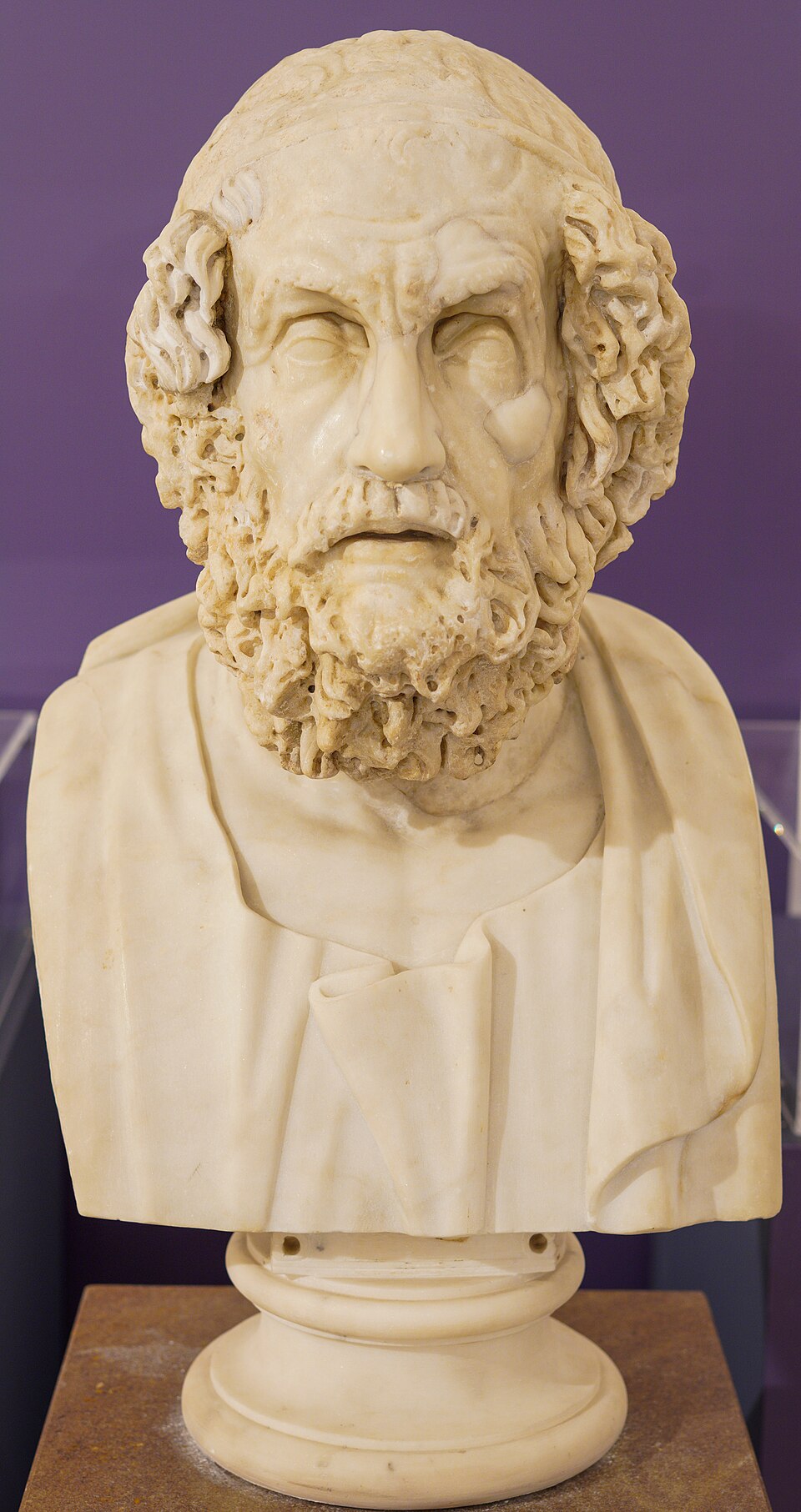
Homer was an ancient Greek poet who is widely credited as the author of the Iliad and the Odyssey, two epic poems that are foundational works of ancient Greek literature. Although his life and authorship remain obscure, Homer was highly revered in ancient Greek society and is considered one of the most influential authors in history.
Source: Wikipedia (CC BY-SA). Portrait by NikonZ7II (CC BY-SA 4.0) via Wikimedia Commons.
Life on the Timeline
Major Works
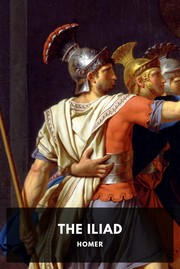
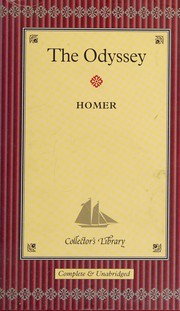
Exam Dossier
Most-asked topics
- The Homeric Question (authorship and composition)
- Oral-formulaic theory (Milman Parry and Albert Lord)
- Iliad: theme, structure, and the wrath of Achilles
- Odyssey: theme, structure, and the nostos (homecoming) motif
- Epic conventions: invocation of the Muse, in medias res, epic simile, epic epithets
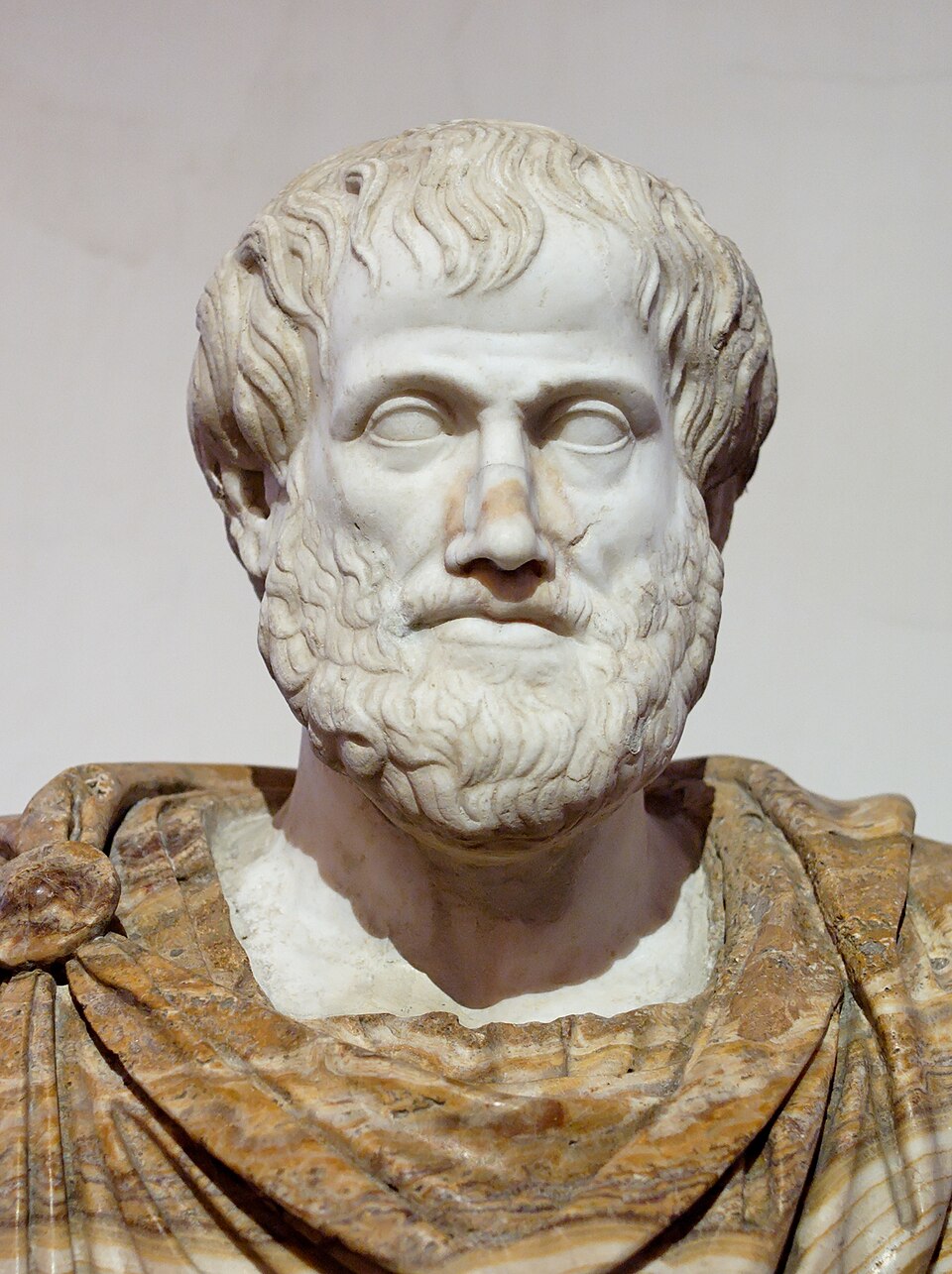
- Aristotle's Poetics on Homer (unity of action, Iliad as tragedy of suffering)
- Influence and translation history (Chapman, Pope, Arnold's 'On Translating Homer')
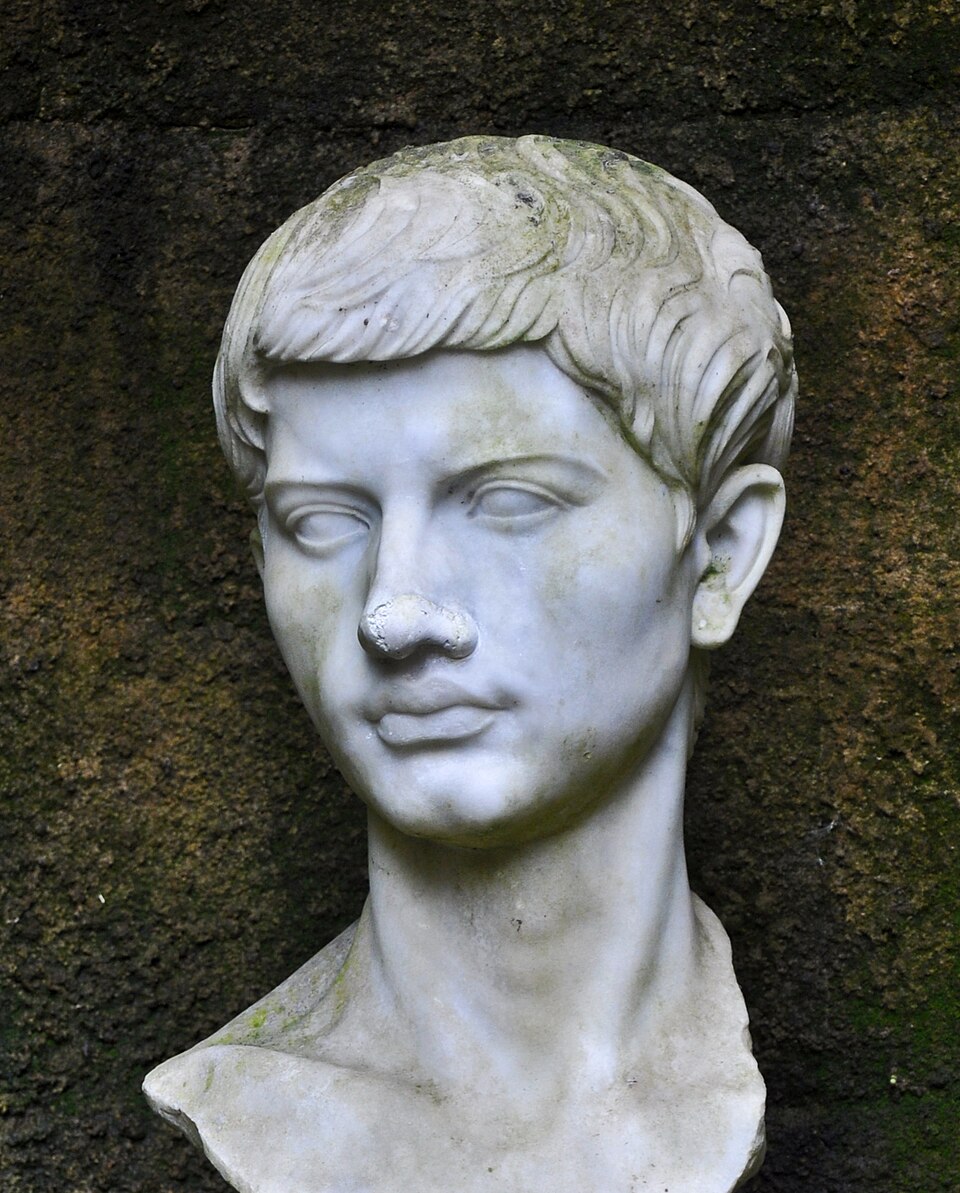
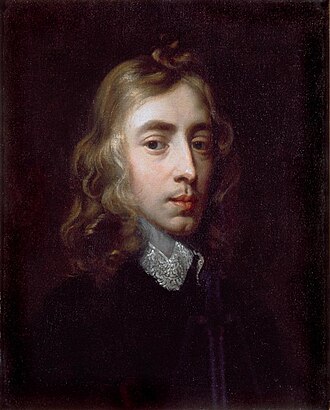
- Homer's influence on later epic (Virgil's Aeneid, Milton's Paradise Lost)
Previous-year themes
- Identification of epic conventions (invocation, in medias res, epic simile) with reference to Homer
- Aristotle's remarks on Homer in the Poetics
- The Homeric Question and oral-formulaic composition
- Homer's place in the classical/epic tradition and periodization of literature
- Influence of Homer on English poets (Chapman, Pope, Keats, Arnold, Tennyson)
- Characteristic epithets and famous opening/closing lines of the Iliad and Odyssey
- Comparative questions on epic vs. other genres (epic vs. tragedy, epic vs. romance)
Common confusions
- Confusing the Iliad's subject (the wrath of Achilles during the Trojan War) with the entire ten-year war itself, which the poem does not narrate in full.
- Confusing the Odyssey's hero Odysseus with the Iliad's central hero Achilles.
- Mixing up Penelope (Odysseus's wife) with Circe or Calypso, who detain Odysseus during his journey.
- Assuming 'Homeric Question' refers to a specific quiz/test on Homer rather than the scholarly debate over the epics' authorship and composition.
- Confusing oral-formulaic theory (Parry and Lord) with New Critical close reading or Aristotelian unity of action.
- Attributing Alexander Pope's translation of Homer to John Dryden, who translated Virgil instead.
Memory tricks
'I' for Iliad, 'I' for Ire (wrath) — the Iliad is about Achilles's anger.
'O' for Odyssey, 'O' for the long journey Odysseus takes to get home (nostos).
Parry and Lord = 'oraL' theory — think of the double 'l' in 'Lord' and 'oral' to remember oral-formulaic composition.
Chapman, then Pope: alphabetically C before P, and chronologically Chapman's translation (Elizabethan) precedes Pope's (Augustan).
Epithets stick like labels: 'swift-footed Achilles', 'grey-eyed Athena', 'rosy-fingered dawn' — remember Homer's world is described with recurring formulaic tags.
Aristotle's Poetics: Iliad = suffering (pathos), Odyssey = character/recognition — remember 'I' for Iliad/Intense suffering.