Classical
Aristotle
384 BC – 322 BC
4th-century BCE Classical Greek philosopher and polymath
- Classical Antiquity
- peripatetic school
- Literary Theory
About
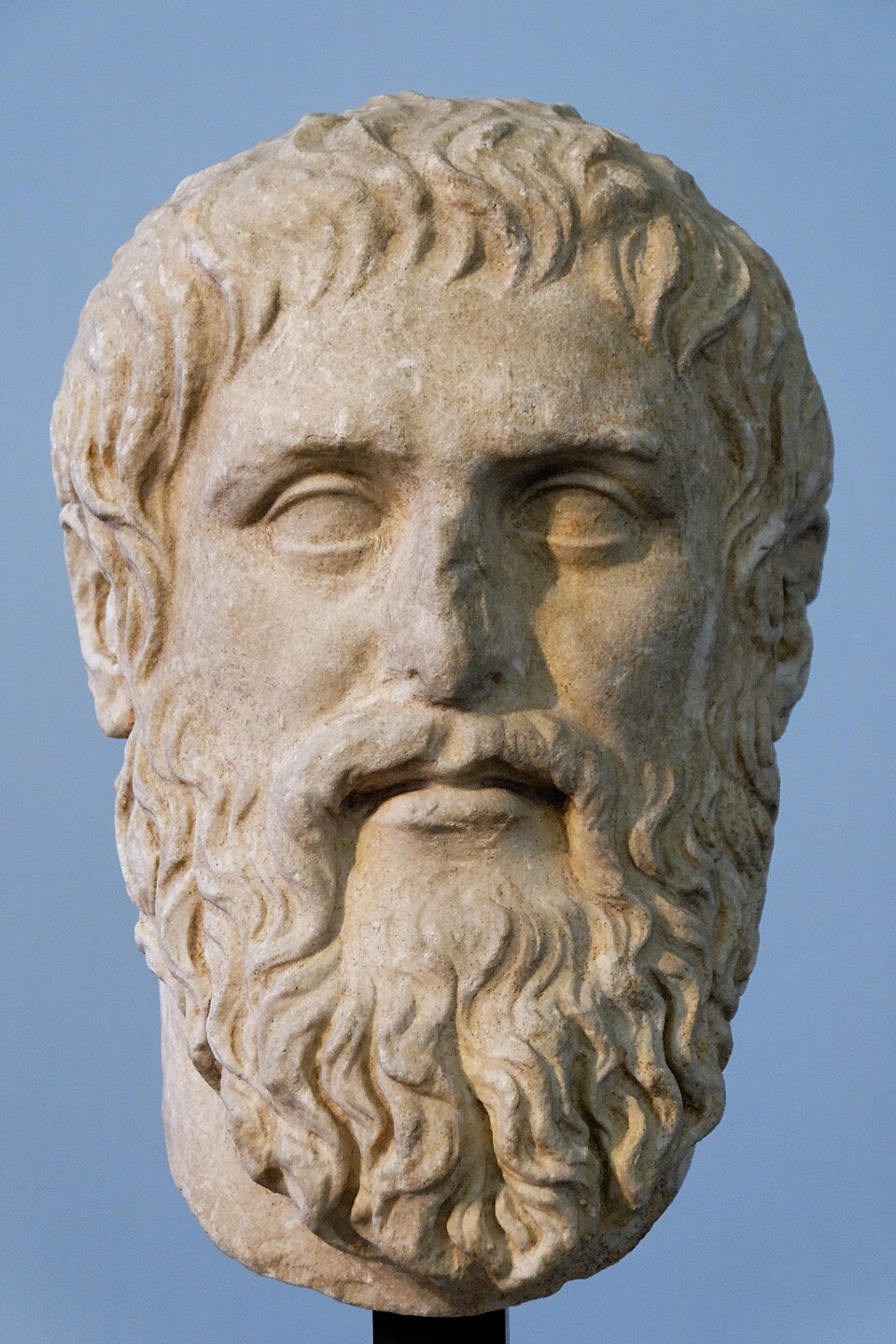
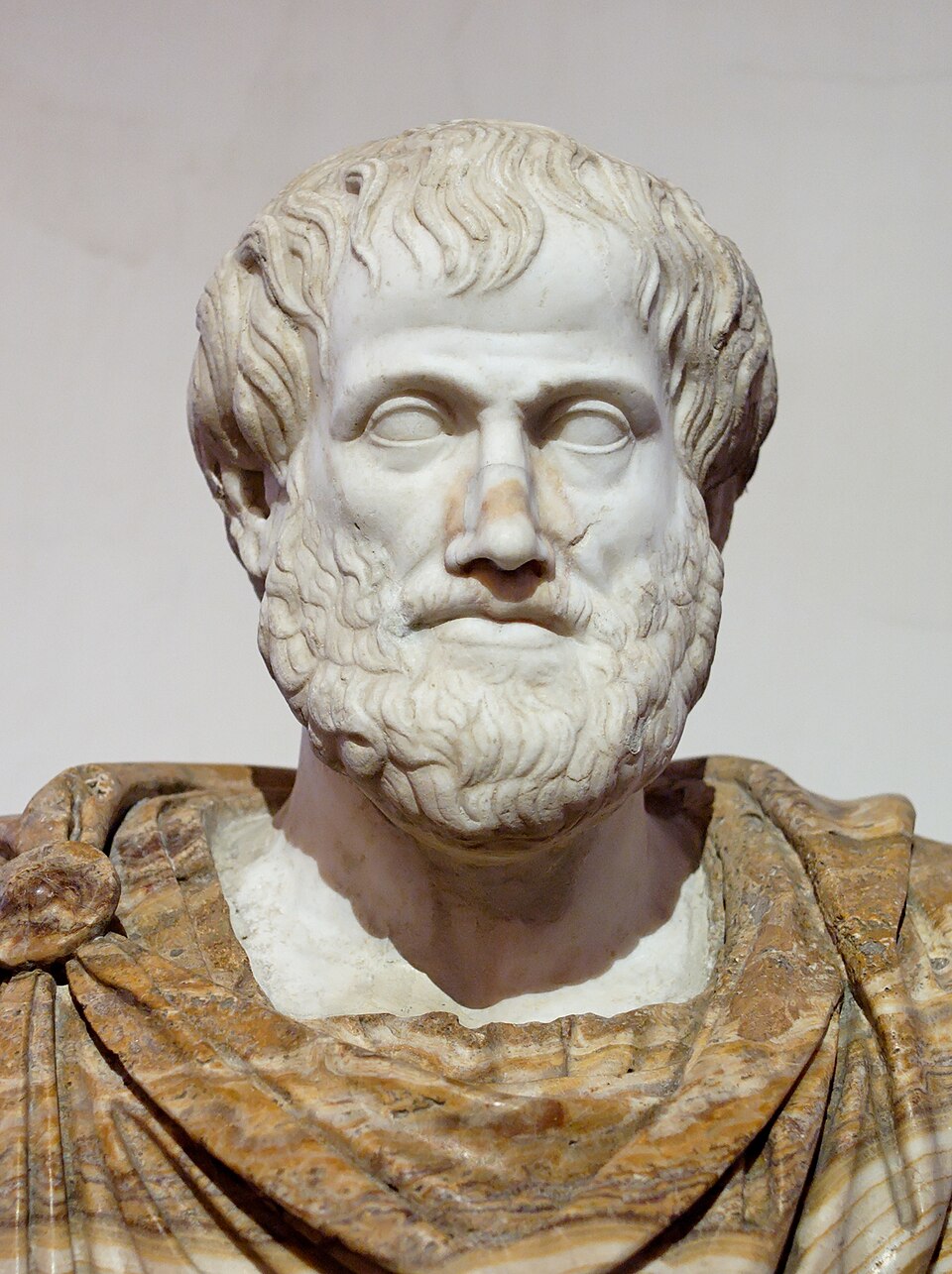
Aristotle was an ancient Greek philosopher and polymath. His writings span the natural sciences, philosophy, linguistics, economics, politics, psychology, and the arts. As the founder of the Peripatetic school of philosophy in the Lyceum in Athens, he began the wider Aristotelian tradition that followed, which set the groundwork for the development of modern science.
Source: Wikipedia (CC BY-SA). Portrait by After Lysippos (Public domain) via Wikimedia Commons.
Life on the Timeline
Major Works

Exam Dossier
Most-asked topics
- Poetics: definition of tragedy and its six formative parts
- Catharsis: purgation of pity and fear
- Mimesis: Aristotle's answer to Plato's charge against poetry
- Hamartia, peripeteia, anagnorisis and the ideal tragic hero
- Poetry vs History: poetry as more philosophical and universal
- Plot (mythos) as the soul of tragedy; simple vs complex plots
- Epic vs Tragedy comparison in the Poetics
- The three unities: what Aristotle actually said vs Renaissance codification
- Aristotle's influence on later critics (Horace, Sidney, Dryden, neoclassicism)
- Nicomachean Ethics, Politics and the Organon as background texts
Previous-year themes
- Identifying the six constituent parts of tragedy in correct order of importance
- The definition of tragedy from Poetics Chapter 6 (fill-in / sequence questions)
- Meaning and interpretation of catharsis (purgation vs purification debates)
- Terms hamartia, peripeteia, anagnorisis matched with definitions or with Oedipus Rex
- Aristotle's defence of poetry against Plato and the poetry–history–philosophy hierarchy
- Which of the unities Aristotle actually prescribes (unity of action only)
- Aristotle's Peripatetic school, the Lyceum, and his relation to Plato and Alexander
- Later critical responses to catharsis and mimesis (e.g., neoclassical and Renaissance critics)
Common confusions
- Hamartia is an error/frailty of judgement, NOT simply 'tragic flaw' as moral vice, and not identical with hubris (excessive pride is only one possible form of error).
- Aristotle prescribes only unity of ACTION; unities of time and place as a rigid triple rule come from Castelvetro and French neoclassicism, not the Poetics.
- The Lyceum (Aristotle, Peripatetic school) vs the Academy (Plato) — students routinely swap them.
- Catharsis: 'purgation' (medical), 'purification' (religious/moral) and 'clarification' are rival interpretations; Aristotle himself never explains the term in the Poetics.
- Mimesis in Plato (copy thrice removed from truth, Republic X) vs mimesis in Aristotle (natural instinct, creative imitation of universals) — the two positions are opposites, not the same doctrine.
- Peripeteia (reversal of situation) vs anagnorisis (recognition) — definitions are frequently switched in match-the-following items.
Memory tricks
Six parts of tragedy in order: 'Please Come To Dinner, Sing Softly' — Plot, Character, Thought, Diction, Song, Spectacle.
PAM for the complex plot: Peripeteia, Anagnorisis, (suffering/pathos) — Oedipus has all, which is why Aristotle loves it.
PLATO's Academy vs ARIStotle's LYCeum: 'A for Academy goes with the older man (Plato); L comes Later (Lyceum, the pupil's school).'
Poetry > History: 'Universal beats Particular' — U/P, remember 'UP': poetry lifts you UP to the universal.
Only ONE unity in Aristotle: 'Action Alone is Aristotle's' — the triple-A reminder that time and place were added later.
Teacher chain: Socrates → Plato → Aristotle → Alexander — 'SPAA' — each taught the next.