Classical
Plato
427 BC – 347 BC
4th-century BCE Greek philosopher
- Classical Athens
- Classical Antiquity
- Platonism
- Literary Theory
About
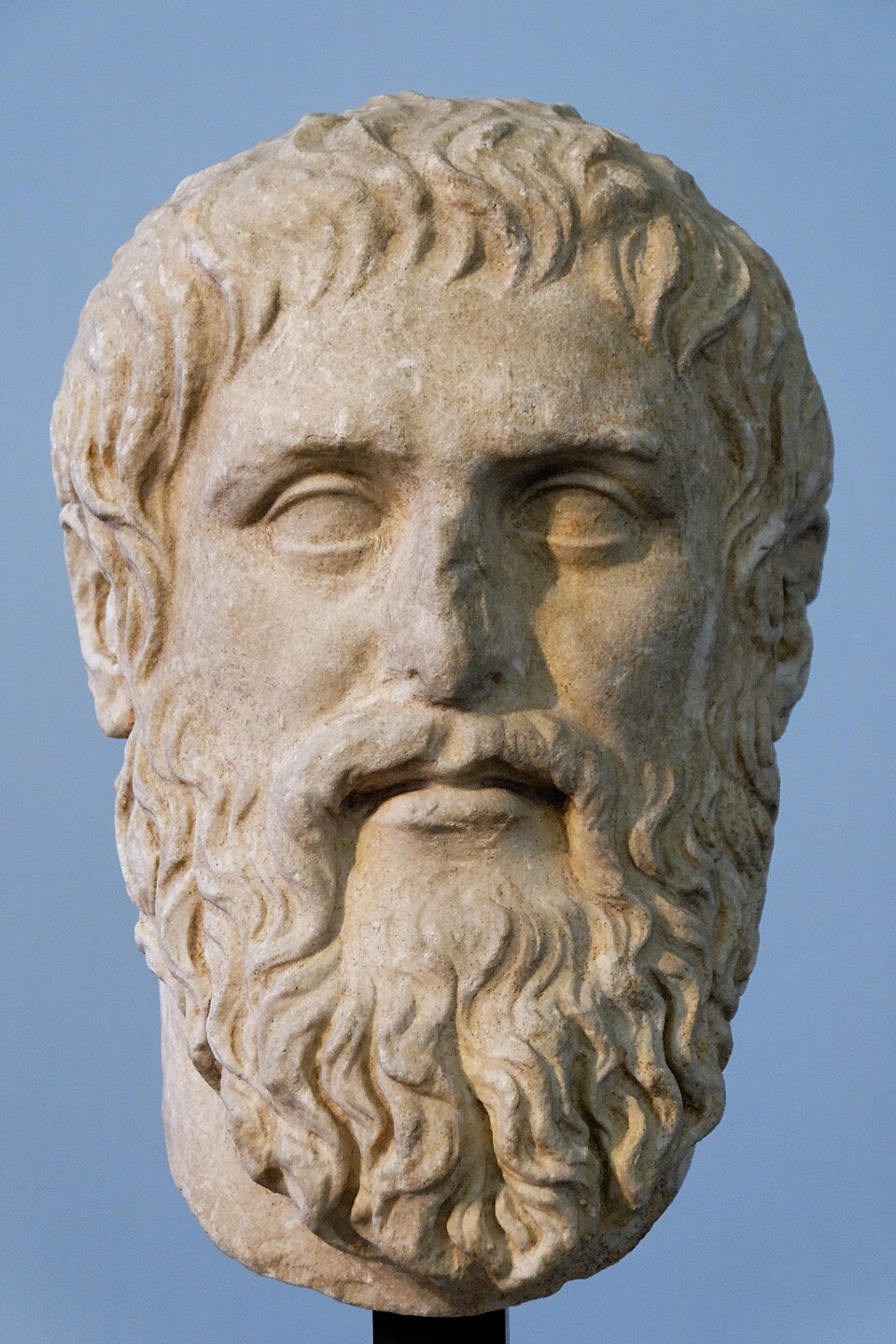
Plato was an ancient Greek philosopher of Classical Athens who is most commonly considered the foundational thinker of the Western philosophical tradition. An innovator of the literary dialogue and dialectic forms, Plato influenced all the major areas of theoretical philosophy and practical philosophy, and was the founder of the Academy, a philosophical school in Athens where Plato taught the collection of philosophical theories that would later become known as Platonism.
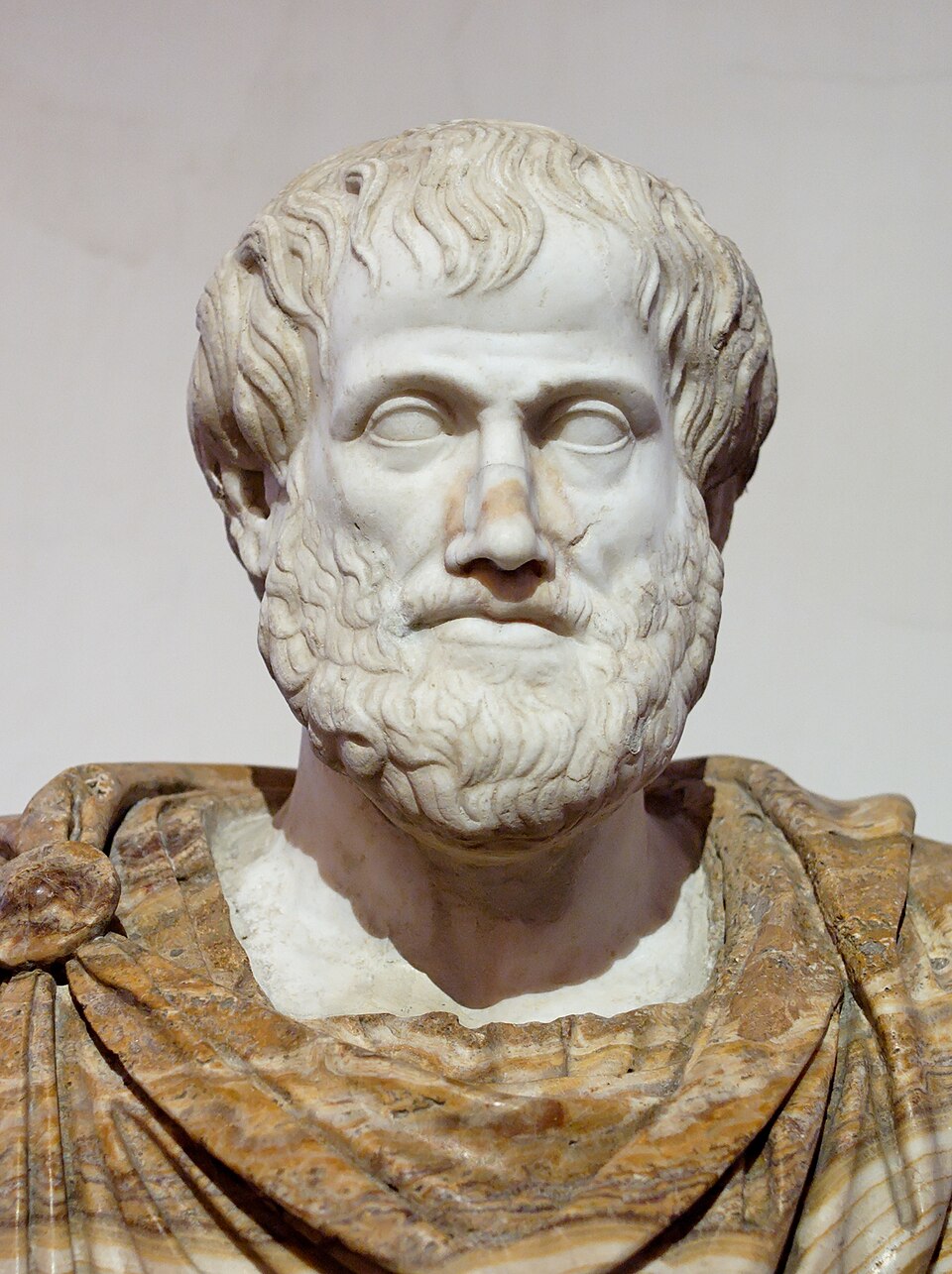
Source: Wikipedia (CC BY-SA). Portrait by Marie-Lan Nguyen (CC BY 2.5) via Wikimedia Commons.
Life on the Timeline
Major Works
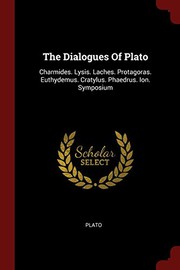


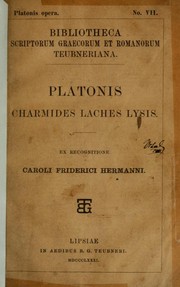


Exam Dossier
Most-asked topics
- Republic Book X: the banishment of imitative poets from the ideal state
- Plato's theory of mimesis: art as imitation thrice removed from truth
- Ion: poetic inspiration and the magnet analogy (furor poeticus)
- Allegory of the Cave (Republic, Book VII) and the Theory of Forms
- Symposium: Diotima's ladder of love and the concept of Platonic love
- Phaedrus: critique of rhetoric and of writing (myth of Theuth)
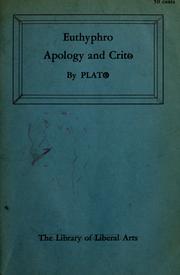
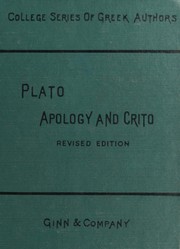
- The trial-and-death dialogues: Euthyphro, Apology, Crito, Phaedo
- The 'ancient quarrel between philosophy and poetry'
- Replies to Plato: Aristotle's Poetics and Sidney's An Apology for Poetry
- The Academy and the Socrates-Plato-Aristotle succession
Previous-year themes
- Plato's three-fold charge against poetry: epistemological (removed from truth), moral (feeds the passions), and emotional (waters the passions instead of drying them up)
- Identifying the source dialogue of key concepts (Cave, ladder of love, magnet analogy, anamnesis)
- The status of the poet in the ideal Republic and what poetry is permitted (hymns to gods, praises of great men)
- Mimesis in Plato versus mimesis in Aristotle
- The Ion as the earliest text of Western literary criticism and the theory of divine inspiration
- Later defences of poetry answering Plato: Sidney's An Apology for Poetry and Shelley's A Defence of Poetry
- The 'ancient quarrel between philosophy and poetry' as a phrase from Republic Book X
- Plato's dialogue form and Socratic dialectic as literary method
Common confusions
- Plato's Apology (Socrates' defence speech; Greek apologia = defence) is often confused with Sidney's An Apology for Poetry — the latter is a Renaissance defence of poetry against Plato-derived attacks.
- Plato does not banish ALL poetry from the Republic: hymns to the gods and praises of famous men are admitted; only imitative (mimetic) poetry is expelled.
- Mimesis in Plato (a copy of a copy, condemned) vs mimesis in Aristotle (a natural, pleasurable, cognitive activity, defended in the Poetics) — a perennial exam trap.
- The Socrates of Plato's dialogues is a literary character voicing Plato's philosophy; do not treat every 'Socratic' doctrine as that of the historical Socrates (Xenophon also wrote Socratic works, including a Symposium and an Apology).
- The Allegory of the Cave is in Republic Book VII; the attack on poets is in Book X; the myth of Er also closes Book X — students frequently swap the book numbers.
- The Atlantis story belongs to Timaeus and Critias, not the Republic; the Republic's concluding myth is the myth of Er.
Memory tricks
S-P-A: Socrates taught Plato, Plato taught Aristotle — the succession runs like the letters of 'SPA'.
Trial tetralogy in order — 'Every Accused Citizen Pleads': Euthyphro, Apology, Crito, Phaedo.
ION = Inspiration, Out of senses, Not techne — the three claims about the poet in the Ion.
Lucky Book 7 sees the light: the Cave (and the ascent to the sun) is in Republic Book VII; poets exit at the 'X' (Book X).
PhaedRUS = Rhetoric, Utterance vs Script — the dialogue on rhetoric and the critique of writing (myth of Theuth).
Dinner with Diotima: the Symposium is literally a drinking-party (banquet) where Diotima's ladder of love is reported.