Classical
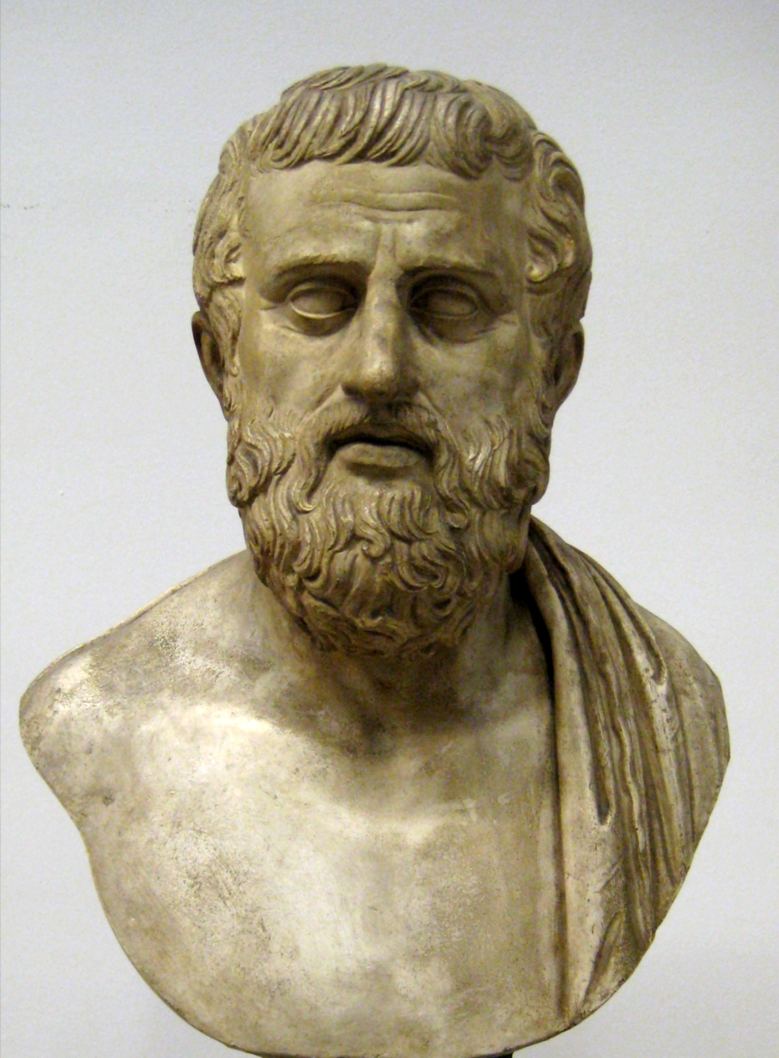
Sophocles
496 BC – 406 BC
ancient Greek playwright
- Classical Athens
- Classical Antiquity
About
Sophocles was an ancient Greek tragedian, one of three from whom at least two plays have survived in full. His first plays were written later than, or contemporary with, those of Aeschylus and earlier than, or contemporary with, those of Euripides. Sophocles wrote more than 120 plays, but only seven have survived in a complete form: Ajax, Antigone, Women of Trachis, Oedipus Rex, Electra, Philoctetes, and Oedipus at Colonus. For almost 50 years, Sophocles was the most celebrated playwright in the dramatic competitions of the city-state of Athens, which took place during the religious festivals of the Lenaea and the Dionysia. He competed in 30 competitions, won 24, and was never judged lower than second place. Aeschylus won 13 competitions and was sometimes beaten by Sophocles; Euripides won four.
Source: Wikipedia (CC BY-SA). Portrait by user:shakko (CC BY-SA 3.0) via Wikimedia Commons.
Life on the Timeline
Major Works
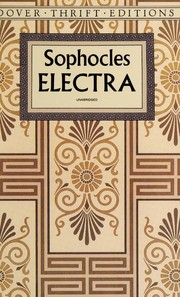
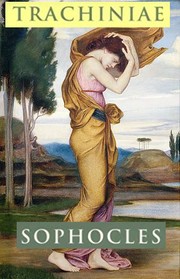
Exam Dossier
Most-asked topics
- The three Theban Plays: Antigone, Oedipus Rex, Oedipus at Colonus
- Aristotle's Poetics and Oedipus Rex as the model tragedy (hamartia, peripeteia, anagnorisis, catharsis)
- Sophocles' dramaturgical innovations (third actor, larger chorus, skenographia)
- Sophocles vs Aeschylus vs Euripides — comparative Greek tragedy
- Antigone: individual conscience vs state law (Antigone vs Creon)
- The Oedipus complex and Freud's use of Oedipus Rex
- Dramatic/tragic irony in Oedipus Rex
- Fate, free will and the tragic hero in Sophoclean tragedy
Previous-year themes
- Aristotle's concept of tragedy illustrated through Oedipus Rex
- Sophocles' contribution to the development of Greek drama (third actor, chorus size)
- Antigone as a study in conflict between individual and state/divine and human law
- Comparison of the three great Athenian tragedians
- Concept of the tragic hero and hamartia in Sophocles
- Dramatic irony and recognition (anagnorisis) in Oedipus Rex
- Sophocles' place in the classical/Greek tradition within English literary criticism (e.g., Matthew Arnold's admiration)
Common confusions
- Confusing Sophocles' dates and innovations with Aeschylus (who introduced the second actor) or Euripides (younger, more skeptical/psychological tragedian).
- Confusing the narrative/story order of the Theban plays (Oedipus Rex → Oedipus at Colonus → Antigone) with their actual order of composition (Antigone → Oedipus Rex → Oedipus at Colonus).
- Treating 'Oedipus Rex' (Latin title) and 'Oedipus Tyrannus' (Greek title) as two different plays rather than the same work.
- Confusing Sophocles' Electra with Euripides' Electra, which treats the same myth with a different tone and psychology.
- Mixing up Aristotle's terms hamartia (tragic error/flaw) and hubris (arrogant pride) as identical when discussing Oedipus's downfall.
- Assuming all seven surviving plays are part of a single trilogy, when in fact Sophocles abandoned the connected-trilogy form used by Aeschylus and each play stood independently.
Memory tricks
Order of the 'big three' Athenian tragedians by birth: Aeschylus → Sophocles → Euripides, remember 'A-S-E' alphabetically matching birth order.
'3-3-7' mnemonic: 3rd actor introduced, 3 Theban plays, 7 surviving plays.
Composition order of Theban plays: 'A-O-O' (Antigone → Oedipus Rex → Oedipus at Colonus) — opposite of the story's chronological order.
'24 of 30' — Sophocles won 24 of the 30 competitions he entered, an unmatched record among the tragedians.
Peripeteia + Anagnorisis together = Oedipus Rex's structural signature that Aristotle praised — remember 'P and A meet in the messenger scene'.
Sophocles died 406 BC, the same year Euripides is traditionally said to have died — remember '406: two tragedians gone'.