Victorian
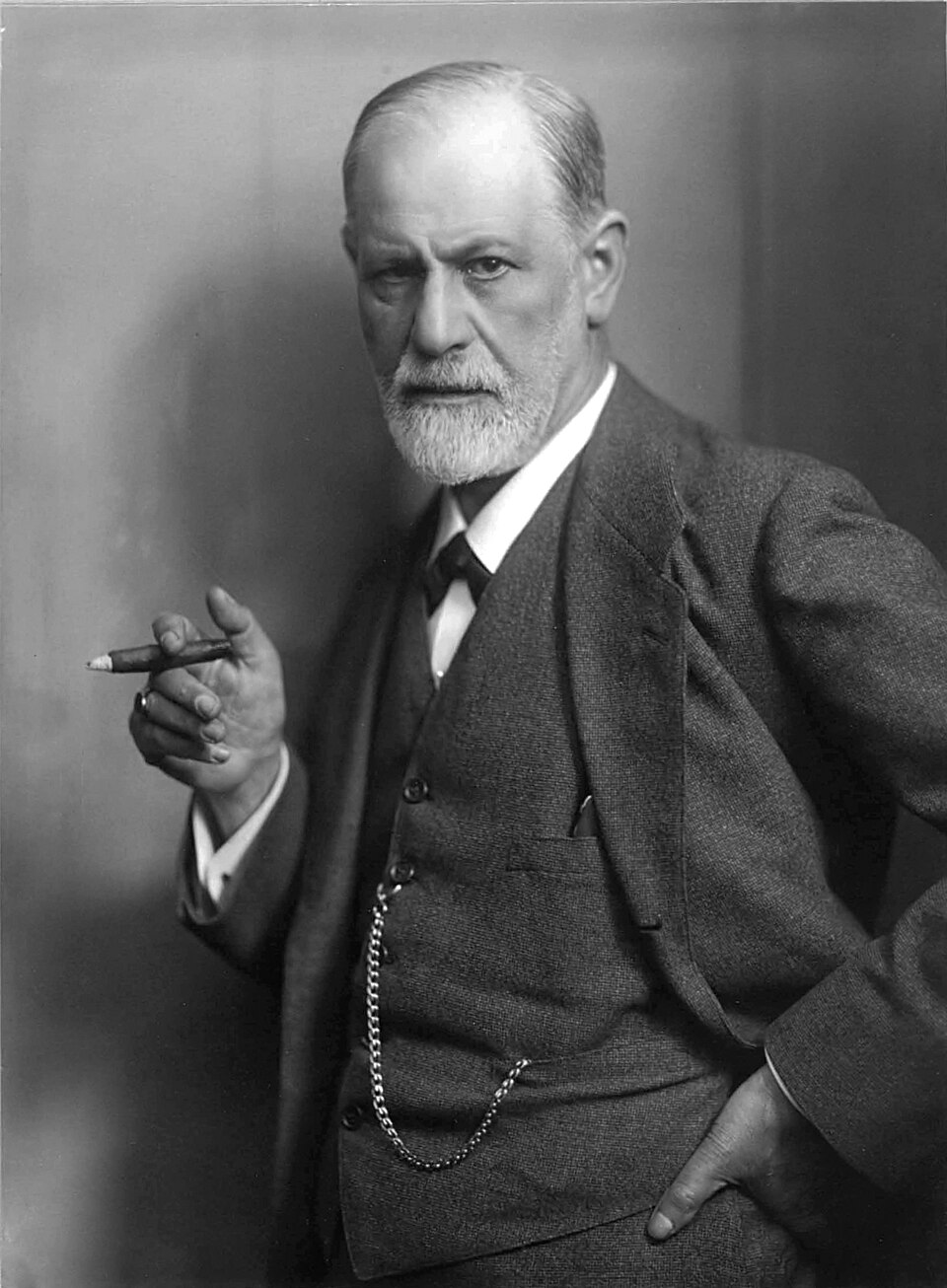
Sigmund Freud
1856 – 1939
Austrian psychiatrist and founder of psychoanalysis (1856–1939)
- Austrian Empire · Cisleithania · Austria · Nazi Germany
- European Theory & Influence
- Psychoanalytic Criticism
- Literary Theory
About
Sigmund Freud was an Austrian neurologist and the founder of psychoanalysis, a clinical method for evaluating and treating pathologies arising from conflicts in the psyche through dialogue between patient and psychoanalyst, and the distinctive theory of mind and human agency derived from it.
Source: Wikipedia (CC BY-SA). Portrait by Max Halberstadt (Public domain) via Wikimedia Commons.
Life on the Timeline
Major Works
Exam Dossier
Most-asked topics
- Psychoanalytic literary criticism
- The unconscious and dream-work
- Oedipus complex in literary analysis
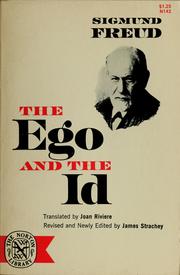
- The structural model: id, ego, superego
- Psychosexual development (Three Essays on the Theory of Sexuality)
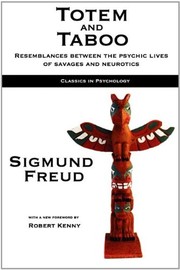
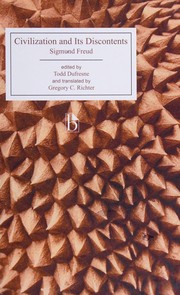
- Freud and civilization/religion (Totem and Taboo, Civilization and Its Discontents)
- Freud's influence on modernist fiction (Woolf, Joyce, Lawrence)
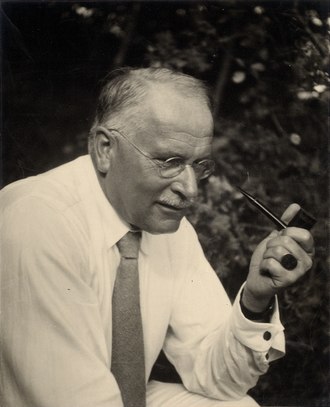
- Freud, Jung and Lacan compared
Previous-year themes
- Freud as founder of psychoanalytic criticism and its application to literary texts
- Dream-work (condensation, displacement, manifest/latent content) as a model for reading texts
- The Oedipus complex applied to characters such as Hamlet
- Id-ego-superego as a framework for character psychology
- Freud's place among founding theorists of modern critical theory alongside Marx and Saussure
- Freud vs Jung: personal unconscious vs collective unconscious
- Lacan's 'return to Freud' and its impact on structuralist/post-structuralist theory
Common confusions
- Confusing Freud's Oedipus complex/personal unconscious with Jung's collective unconscious and archetypes — these are distinct theorists and theories.
- Confusing the topographical model (conscious/preconscious/unconscious, pre-1923) with the later structural model (id/ego/superego, from The Ego and the Id, 1923) — students often merge the two frameworks.
- Confusing the pleasure principle (governing the id, seeking immediate gratification) with the reality principle (governing the ego, deferring gratification for practical reasons).
- Confusing Eros (life/sexual drive) and Thanatos (death drive), introduced in Beyond the Pleasure Principle (1920), with the id-ego-superego triad from The Ego and the Id (1923) — the drive theory and the structural model are separate contributions.
- Attributing Lacanian terms (the Symbolic, the Imaginary, the Real) directly to Freud, when these belong to Jacques Lacan's later structuralist 'return to Freud.'
- Confusing Totem and Taboo (1913, on primitive society, totemism and the Oedipal origin of taboo) with Moses and Monotheism (1939, Freud's late work on Moses and Judaism).
Memory tricks
Chronology mnemonic: 'Interpret, Psychopathology, Sex, Totem, Ego, Civilization' — I-P-S-T-E-C for 1900, 1901, 1905, 1913, 1923, 1930.
ID = 'Instinctual Drive' — primal, unconscious, pleasure-seeking.
EGO = 'Executive Governing Organ' — reality-testing mediator between id and world.
SUPEREGO = 'Super-strict' conscience — internalized parental/societal ideals and guilt.
'Eros builds, Thanatos destroys' — recall the life drive vs death drive from Beyond the Pleasure Principle (1920).
Studies on Hysteria (1895) = 'Breuer + Freud, Birth of the Talking Cure' — the joint work that started psychoanalysis.