Modernism
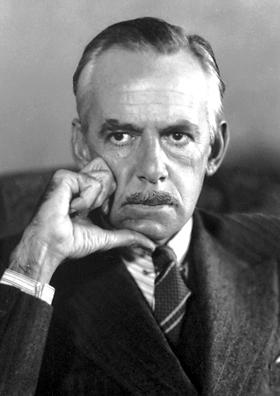
Eugene O'Neill
1888 – 1953
American playwright (1888–1953)
- United States
- American
- Expressionism
- ◆ Nobel 1936
About
Eugene Gladstone O'Neill Sr. was an American playwright. His poetically titled plays were among the first to introduce into the U.S. the drama techniques of realism, earlier associated with Chekhov, Ibsen, and Strindberg. The tragedy Long Day's Journey into Night is often included on lists of the finest American plays in the 20th century, alongside Tennessee Williams's A Streetcar Named Desire and Arthur Miller's Death of a Salesman. He was awarded the 1936 Nobel Prize in Literature. O'Neill is also the only playwright to win four Pulitzer Prizes for Drama.
Source: Wikipedia (CC BY-SA). Portrait by Nobel Foundation (Public domain) via Wikimedia Commons.
Life on the Timeline
Major Works
Exam Dossier
Most-asked topics
- O'Neill and American dramatic realism/expressionism
- Long Day's Journey into Night as autobiographical tragedy
- The Iceman Cometh and the theme of illusion ("pipe dreams")
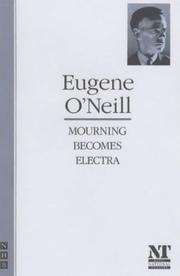
- Mourning Becomes Electra and the Greek tragic model (Oresteia)
- The Hairy Ape and Expressionist stagecraft
- O'Neill's Pulitzer Prizes and the 1936 Nobel Prize
- Influence of Strindberg, Ibsen and Chekhov on O'Neill
- Desire Under the Elms and New England Puritan tragedy
Previous-year themes
- O'Neill's place in the rise of American realistic/expressionistic drama
- Autobiographical elements in Long Day's Journey into Night
- Use of masks and expressionist devices in The Hairy Ape / The Great God Brown
- Classical (Greek) tragic structure adapted in Mourning Becomes Electra
- O'Neill's debt to European dramatists (Ibsen, Strindberg, Chekhov)
- The theme of illusion versus reality ("pipe dreams") in The Iceman Cometh
- O'Neill's record of Pulitzer Prizes and the Nobel Prize in Literature
Common confusions
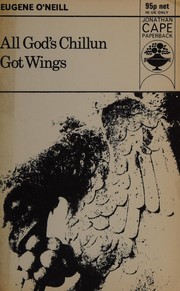
- Confusing Anna Christie with All God's Chillun Got Wings as O'Neill's first Pulitzer-winning play (Beyond the Horizon was actually his first, in 1920).
- Confusing The Emperor Jones (Brutus Jones) with The Hairy Ape (Yank) as protagonists of the same play.
- Mixing up Mourning Becomes Electra's Mannon family with Long Day's Journey into Night's Tyrone family.
- Assuming O'Neill wrote purely in the realist mode throughout his career, overlooking his Expressionist experiments (The Hairy Ape, The Great God Brown).
- Confusing the composition date of Long Day's Journey into Night (written early 1940s) with its much later posthumous publication/premiere.
- Attributing O'Neill's Nobel Prize year (1936) to the year of a specific play's premiere.
Memory tricks
"Four Pulitzers, One Nobel" — remember O'Neill's unmatched Pulitzer count (4) alongside his 1936 Nobel Prize.
"Beyond, Anna, Strange, Long" — the four Pulitzer plays in order: Beyond the Horizon, Anna Christie, Strange Interlude, Long Day's Journey into Night.
"Electra Mourns in New England" — links Mourning Becomes Electra to its Civil War New England setting and Greek source.
"Iceman brings pipe dreams, not ice" — associates The Iceman Cometh with the theme of sustaining illusions.
"Hairy Ape, masked stage" — recalls the Expressionist masks and mechanised set of The Hairy Ape.
"O'Neill = Ibsen + Strindberg + Chekhov, Americanized" — recalls his acknowledged European dramatic influences.