Postmodern
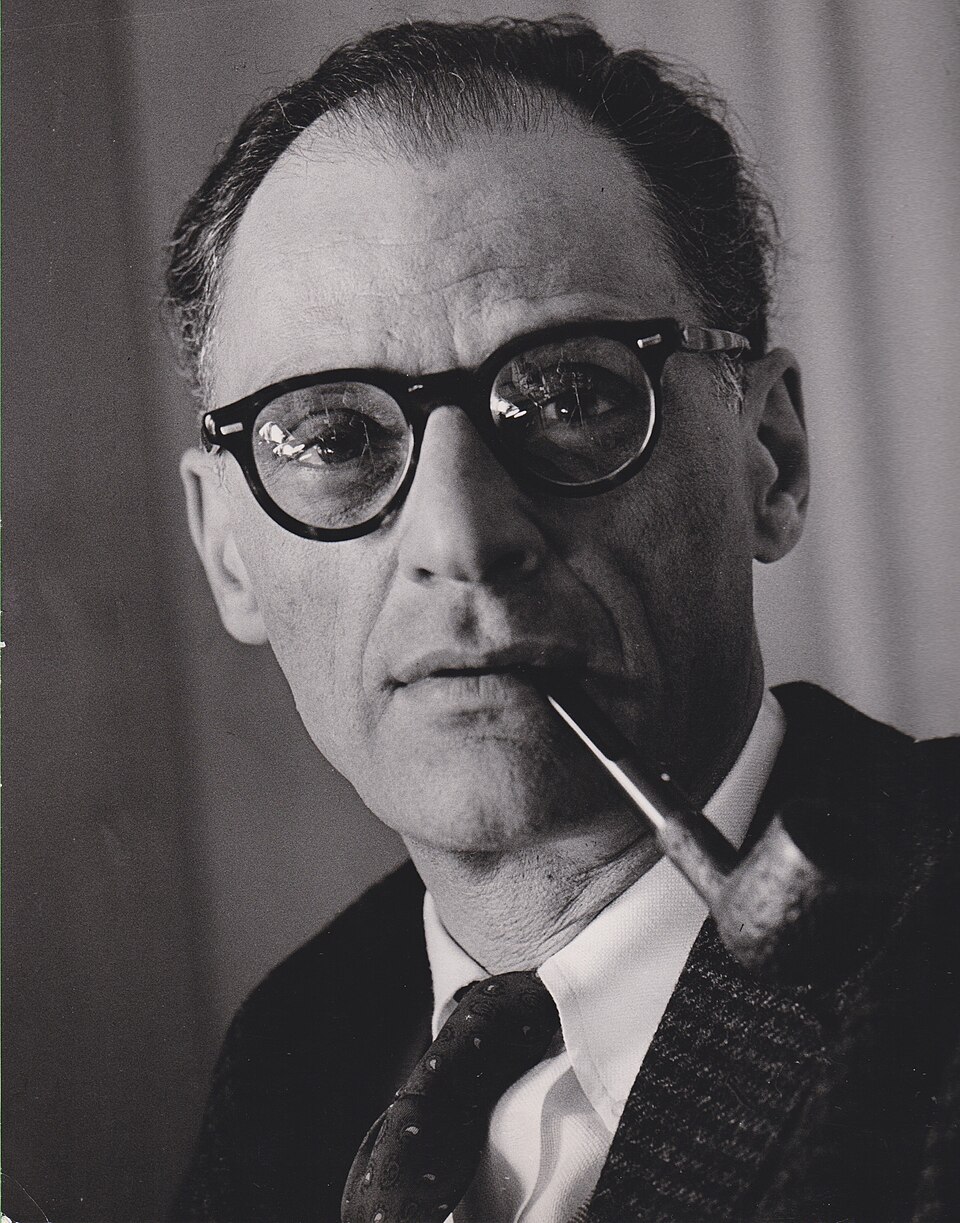
Arthur Miller
1915 – 2005
American playwright and essayist (1915–2005)
- United States
- American
- Realism
- literary-realism
About
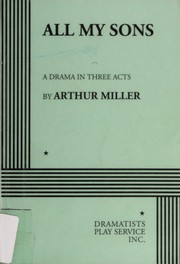
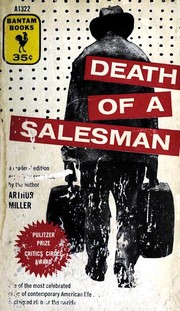
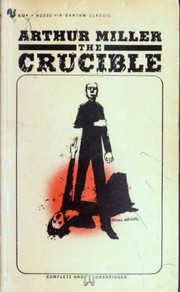
Arthur Asher Miller was an American playwright and essayist in the 20th-century American theater. Among his most popular plays are All My Sons (1947), Death of a Salesman (1949), The Crucible (1953), and A View from the Bridge (1955). He wrote several screenplays, including The Misfits (1961). The drama Death of a Salesman is considered one of the best American plays of the 20th century.
Source: Wikipedia (CC BY-SA). Portrait by Wolfgang Fischer (CC BY-SA 4.0) via Wikimedia Commons.
Life on the Timeline
Major Works
Exam Dossier
Most-asked topics
- Death of a Salesman as modern tragedy
- The Crucible as McCarthyism allegory
- Miller's concept of the 'tragedy of the common man'
- American realism/social drama in Miller
- Symbolism and stagecraft (expressionistic devices) in Death of a Salesman
- Family, guilt and the American Dream in All My Sons and Death of a Salesman
- A View from the Bridge and Greek tragic form
- Miller's HUAC testimony and biography-work connections
Previous-year themes
- Death of a Salesman as a critique of the American Dream
- Miller's essay 'Tragedy and the Common Man' and redefinition of tragic hero
- The Crucible as political allegory for the McCarthy era
- Use of expressionist/flashback technique in Death of a Salesman
- Father-son conflict and guilt in All My Sons and Death of a Salesman
- Eddie Carbone and the theme of forbidden desire/honour in A View from the Bridge
- Miller's place in 20th-century American realist drama alongside O'Neill and Williams
Common confusions
- Confusing All My Sons (1947, about defective airplane parts) with Death of a Salesman (1949, about a traveling salesman's decline) — both deal with father-son guilt but are separate plays.
- Assuming The Crucible is purely a history play about 1692 Salem; it is equally, and primarily in critical readings, an allegory of 1950s McCarthyism/HUAC.
- Mixing up John Proctor (The Crucible) and Eddie Carbone (A View from the Bridge) — both are morally compromised protagonists but from different plays and settings.
- Thinking Miller won the Nobel Prize in Literature — he did not; Death of a Salesman won the Pulitzer Prize for Drama (1949).
- Confusing Miller's realist family dramas with the expressionist/absurdist techniques of European playwrights; Miller blends realism with expressionistic flashback devices (especially in Death of a Salesman) rather than adopting full-blown Theatre of the Absurd.
- Forgetting that Miller also wrote screenplays (e.g., The Misfits, 1961) alongside his stage plays.
Memory tricks
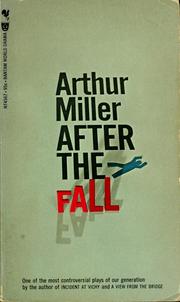
'ACDA' order: All my sons, Crucible, Death of a salesman, After the fall — but remember real order is All My Sons (47) -> Death of a Salesman (49) -> Crucible (53) -> View from Bridge (55) -> After the Fall (64).
Willy = 'Willy Loman, low man' — a low-status 'common man' hero, cueing Miller's tragedy-of-the-common-man thesis.
Crucible = a vessel for intense heat/testing — the word itself signals a 'trial by fire', matching both the witch trials and the McCarthy-era 'testing' of loyalty.
Eddie Carbone's 'View from the Bridge' — a bridge connects two sides (Italy/America, old world/new world, desire/honour), reflecting the play's theme of divided loyalties.
Remember 'Attention must be paid' (Linda) as the thesis-line for Death of a Salesman exam questions on tragedy and dignity.
Pulitzer for Salesman, not Nobel — Miller never won the Nobel Prize; keep this straight from Nobel laureates like Eugene O'Neill.