Augustan
Samuel Johnson
1709 – 1784
English writer and lexicographer (1709–1784)
- Kingdom of Great Britain
- British
- Neoclassicism
- Literary Theory
About
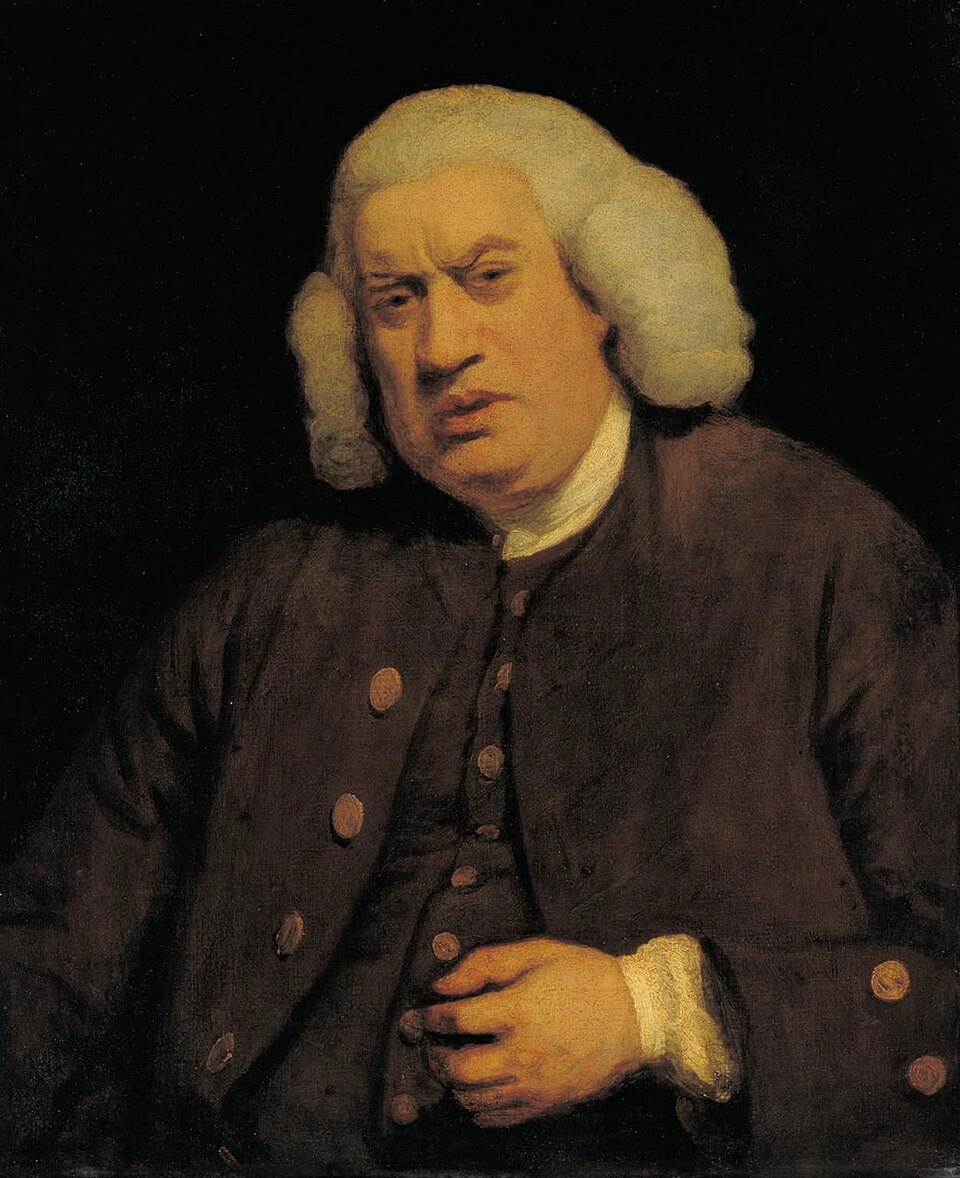
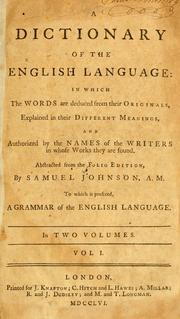
Samuel Johnson, often called Dr. Johnson, was an English writer and polymath who made lasting contributions as a poet, playwright, essayist, moralist, literary critic, sermonist, biographer, editor, and lexicographer. The work for which he is best known is his 42,733-entry Dictionary of the English Language (1755). For this and other contributions in and to the English language, the Oxford Dictionary of National Biography has called him "arguably the most distinguished man of letters in English history".
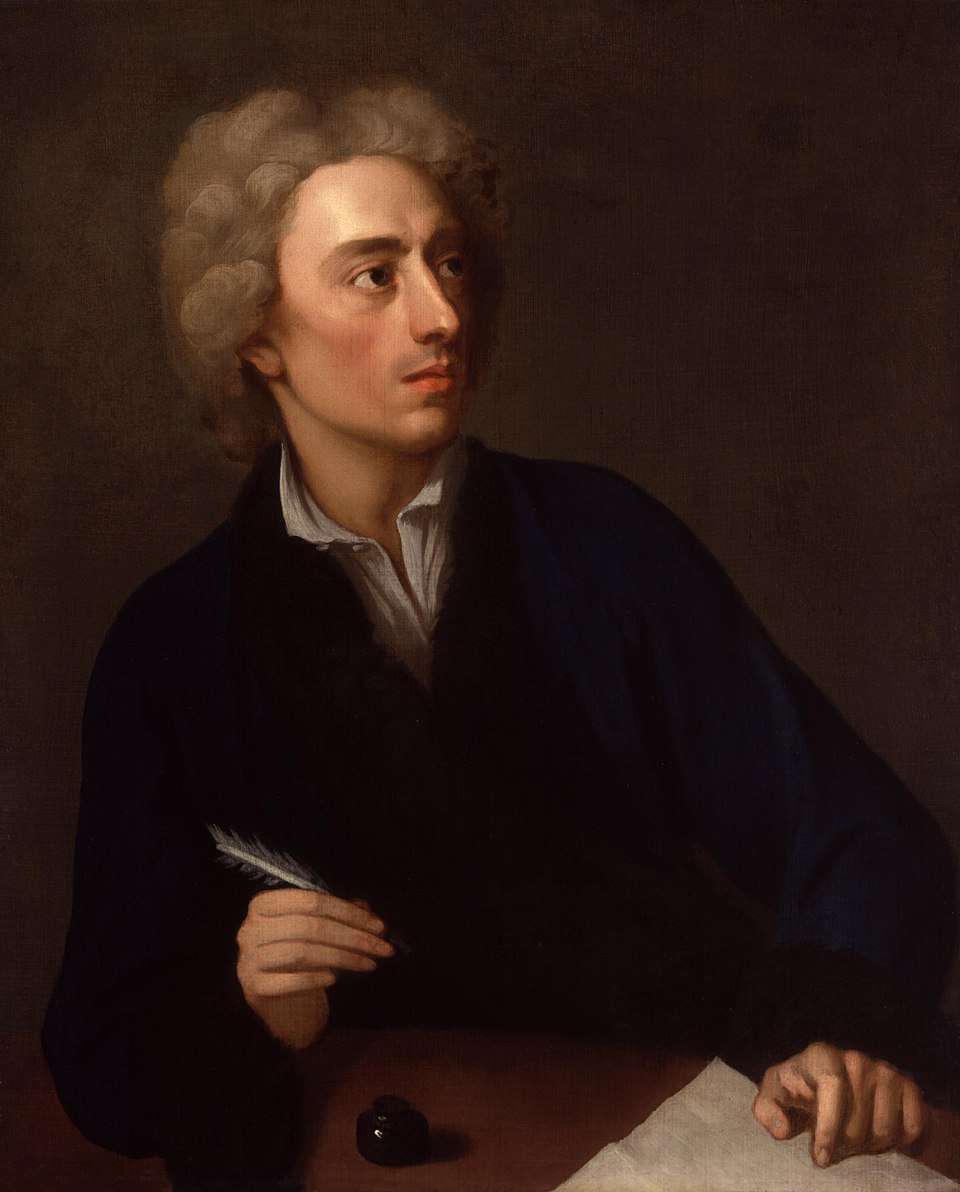
Source: Wikipedia (CC BY-SA). Portrait by Joshua Reynolds (Public domain) via Wikimedia Commons.
Life on the Timeline
Major Works
Exam Dossier
Most-asked topics
- A Dictionary of the English Language (1755) and its Preface
- The Vanity of Human Wishes and London as imitations of Juvenal
- Preface to Shakespeare (1765) and the defence of violating the unities
- Lives of the Poets and the coinage 'metaphysical poets' in the Life of Cowley
- Rasselas (1759): plot, characters, and the 'choice of life' theme
- The Rambler and The Idler periodical essays
- Boswell's Life of Johnson and the Literary Club
- The Letter to Lord Chesterfield and the death of patronage
- Johnson as neoclassical critic: general nature vs particular
- The Age of Johnson / Age of Transition in English literature
Previous-year themes
- Identifying the work in which Johnson coined the term 'metaphysical poets' (Life of Cowley)
- Chronology of Johnson's major works, especially the Dictionary (1755) and Rasselas (1759)
- Critical positions in the Preface to Shakespeare (unities, general nature, Shakespeare's faults)
- Matching famous Johnsonian remarks to their targets (Lycidas, Paradise Lost, Shakespeare's quibbles)
- The Rambler and The Idler as periodical essays and their dates
- Rasselas and Candide as philosophical tales of the same year (1759)
- Boswell's Life of Johnson (1791) and biographical writing of the eighteenth century
- London and The Vanity of Human Wishes as imitations of Juvenal's Third and Tenth Satires
Common confusions
- London the poem (1738, imitating Juvenal's Third Satire) vs the table-talk 'tired of London, tired of life' recorded by Boswell — different sources.
- Lives of the Poets (BY Johnson, 1779-81) vs The Life of Samuel Johnson (ABOUT Johnson, by Boswell, 1791).
- The Rambler (1750-52, almost entirely Johnson) vs The Idler (1758-60, Johnson in The Universal Chronicle) vs The Spectator (Addison and Steele, 1711-12).
- Rasselas (1759) and Voltaire's Candide (1759): same year, similar theme of disillusioned optimism — students swap authors and plots.
- Johnson's Dictionary (1755) was not the first English dictionary (Nathan Bailey and others preceded it) — it was the first of such authority and scale.
- The Vanity of Human Wishes imitates Juvenal's TENTH satire; London imitates the THIRD — the numbers are routinely reversed.
Memory tricks
Dictionary date: 'double nickels' — 1755 has two 5s, like the two folio volumes.
L before V, alphabetically and chronologically: London (1738) precedes The Vanity of Human Wishes (1749).
Juvenal numbers: 'London Three, Vanity Ten' — L3, V10 (V looks like the Roman numeral hint for the higher satire).
RIP-D sequence of fame: Rambler (1750) → Idler/Rasselas era (1758-59) → Preface to Shakespeare (1765) → Dictionary already done (1755) — anchor everything around the Dictionary in the middle of the 1750s.
1759 twins: Rasselas and Candide are 'philosophical twins' born the same year.
Boswell's Life = 1791: Johnson died 1784, add seven years of Boswell's labour.