Sensibility
Thomas Gray
1716 – 1771
English poet and classical scholar (1716–1771)
- Kingdom of Great Britain
- British
- Graveyard School
About
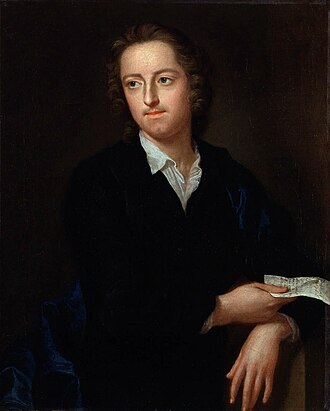
Thomas Gray was an English poet, letter-writer, and classical scholar at Cambridge University, being a fellow first of Peterhouse then of Pembroke College. He is widely known for his Elegy Written in a Country Churchyard, published in 1751. Gray was a self-critical writer who published only 13 poems in his lifetime, despite being very popular. He was even offered the position of Poet Laureate in 1757 after the death of Colley Cibber, though he declined.
Source: Wikipedia (CC BY-SA). Portrait by John Giles Eccardt (Public domain) via Wikimedia Commons.
Life on the Timeline
Major Works
No works have been hung in this gallery yet — the acquisitions team is at work.
Exam Dossier
Most-asked topics
- Elegy Written in a Country Churchyard and its themes
- Graveyard School of poetry
- Gray as a transitional figure between Neoclassicism and Romanticism
- Odes: The Progress of Poesy and The Bard
- Gray's Pindaric odes and their style
- Gray's classical scholarship and Cambridge career
- Refusal of the Poet Laureateship
- Gray's letters and epistolary style
Previous-year themes
- Gray's place in the Age of Sensibility / pre-Romanticism debate
- The Elegy as a meditation on common humanity and mortality
- Graveyard School poets and melancholy verse
- Gray's diction and 'poetic diction' criticized by Wordsworth
- Sublime and Pindaric ode tradition in Gray
- Gray's minimal output and perfectionism as a poet
Common confusions
- Confusing Thomas Gray with Thomas Grey (the historical/political figure) or with other 18th-century poets of similar names.
- Mixing up the Graveyard School with the later Gothic novel tradition — they are related in mood but distinct as literary categories.
- Assuming Gray was a prolific poet, when in fact he published very sparingly (about 13 poems).
- Confusing the Elegy Written in a Country Churchyard with Gray's Ode on a Distant Prospect of Eton College — both deal with mortality/loss of innocence but are different poems.
- Believing Gray accepted the Poet Laureateship, when he in fact declined it in 1757.
- Placing Gray fully within the Romantic movement rather than recognizing him as a transitional, pre-Romantic Age of Sensibility figure.
Memory tricks
'Gray' + 'Grave' — Gray is the poet of the Graveyard School, famous for churchyard meditations.
Elegy = 1751: think '17-51', the same century numbers as Gray's own life (1716-1771).
Cibber to Gray: when Colley 'Cibber' died in 1757, Gray said 'no, sir' to the Laureateship.
'Peterhouse then Pembroke' — remember alphabetically, P before P, first college then second college.
13 poems in a lifetime: think 'a baker's dozen' of published verse from a perfectionist.
'Madding crowd' phrase later borrowed by Hardy — links Gray forward to the Victorian novel.