Sensibility
William Blake
1757 – 1827
English poet and artist (1757–1827)
- United Kingdom of Great Britain and Ireland · Kingdom of Great Britain · United Kingdom
- British
- Romanticism
- fairy painting
About
William Blake was an English poet, painter and printmaker. Largely unrecognised during his life, Blake has become a seminal figure in the history of the poetry and visual art of the Romantic Age. What he called his "prophetic works" were said by the 20th-century critic Northrop Frye to form "what is in proportion to its merits the least read body of poetry in the English language". While he lived in London his entire life, except for three years spent in Felpham, he produced a diverse and symbolically rich collection of works, which embraced the imagination as "the body of God", or "human existence itself".
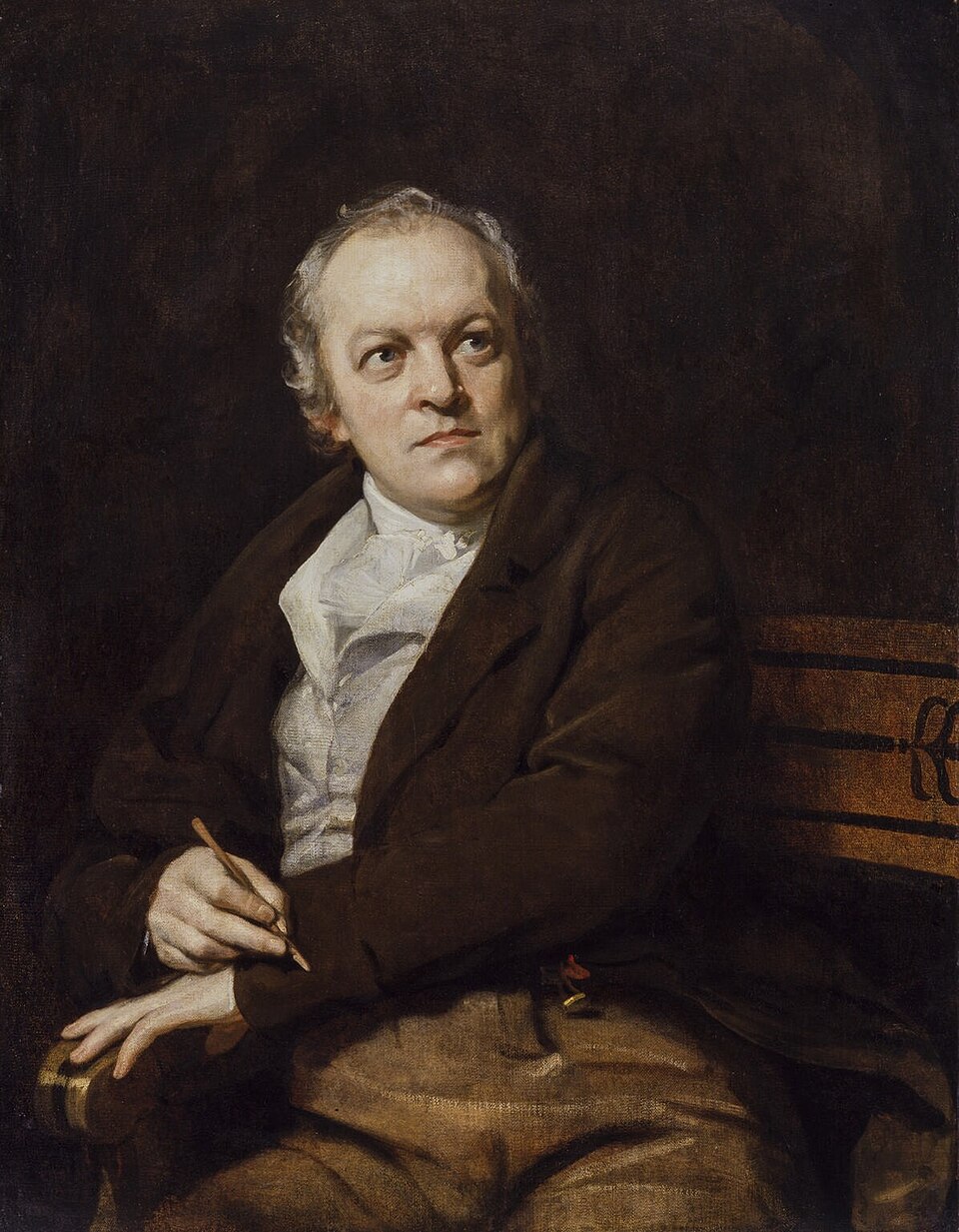
Source: Wikipedia (CC BY-SA). Portrait by Thomas Phillips (Public domain) via Wikimedia Commons.
Life on the Timeline
Major Works
Exam Dossier
Most-asked topics
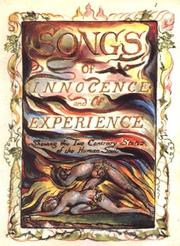
- Songs of Innocence and of Experience: contrary states of the human soul
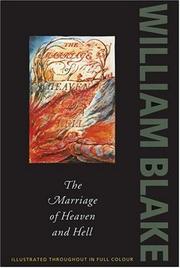
- The Marriage of Heaven and Hell and the Proverbs of Hell
- Blake's prophetic books and private mythology (Urizen, Los, Orc, Albion)
- Illuminated printing / relief etching as composite art
- Blake as precursor of Romanticism (pre-Romantic / Age of Sensibility)
- Companion poems: The Lamb vs The Tyger, the two Chimney Sweeper and Holy Thursday poems
- The 'Jerusalem' hymn (preface to Milton) vs the epic Jerusalem
- Blake's social criticism: London, child labour, 'mind-forg'd manacles'
- Northrop Frye's Fearful Symmetry and archetypal criticism
- Blake's response to Milton: 'of the Devil's party without knowing it'
Previous-year themes
- Identifying the collection (Innocence vs Experience) to which a given lyric belongs
- Matching famous opening lines ('Tyger Tyger, burning bright'; 'I wander thro' each charter'd street') to their poems
- Chronological arrangement of Blake's works alongside other Romantic-era publications
- The subtitle of Songs of Innocence and of Experience
- Blake's mythological figures and the prophetic books in which they appear
- Blake's remark on Milton being 'of the Devil's party' in The Marriage of Heaven and Hell
- Critical assessments of Blake (Northrop Frye, T. S. Eliot's essay on Blake)
- Blake's engraving/illuminated-book method and his status as poet-painter
Common confusions
- Songs of Innocence (1789) vs the combined Songs of Innocence and of Experience (1794) — the latter adds Experience and the subtitle about 'Two Contrary States'.
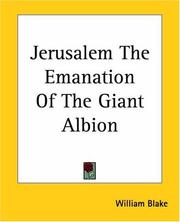
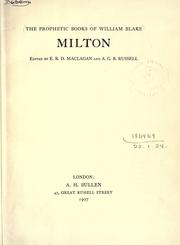
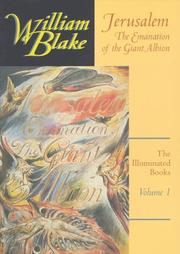
- The hymn 'Jerusalem' ('And did those feet...') is the preface to Milton (1804), NOT the epic Jerusalem The Emanation of the Giant Albion (1804-20); Parry's 1916 music postdates Blake.
- Two different 'Chimney Sweeper' poems and two 'Holy Thursday' poems exist — one each in Innocence and Experience; identify by opening line.
- The Book of Thel (1789, virgin Thel refuses experience) vs Visions of the Daughters of Albion (1793, Oothoon embraces and suffers experience).
- Urizen (reason/law) vs Los (imagination, the blacksmith-prophet) vs Orc (revolutionary energy) — students swap their symbolic roles.
- Blake published Songs of Innocence in 1789, before Lyrical Ballads (1798), yet he is grouped with the Romantics; he is often labelled 'pre-Romantic' or of the Age of Sensibility.
Memory tricks
I-E order: Innocence 1789 = year of the French Revolution; add 5 for the combined Experience volume, 1794.
URizen = 'your reason' — the bearded lawgiver with compasses in The Ancient of Days.
L-O-S = SOL reversed: Los, the imaginative sun-blacksmith, is Urizen's creative opposite.
Lamb/Tyger pairing: gentle L(amb) in Innocence, terrifying T(yger) in Experience — L before T alphabetically, Innocence before Experience.
Two 1804 epics both start with M-J vision of Milton and Jerusalem: 'MJ 1804'.
Zoas quartet 'ULTU': Urizen (reason), Luvah (passion), Tharmas (body), Urthona (imagination).