Modernism
Northrop Frye
1912 – 1991
Canadian literary critic and literary theorist (1912–1991)
- Canada
- Commonwealth
- Archetypal / Myth Criticism
- Literary Theory
About
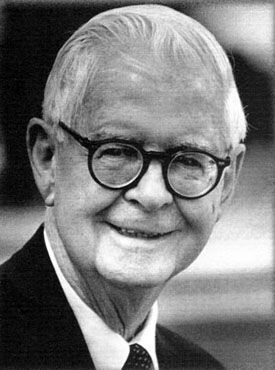
Herman Northrop Frye was a Canadian literary critic and literary theorist, considered one of the most influential of the 20th century.
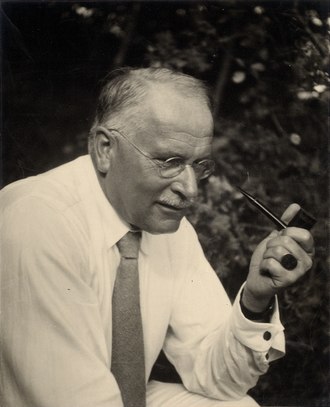
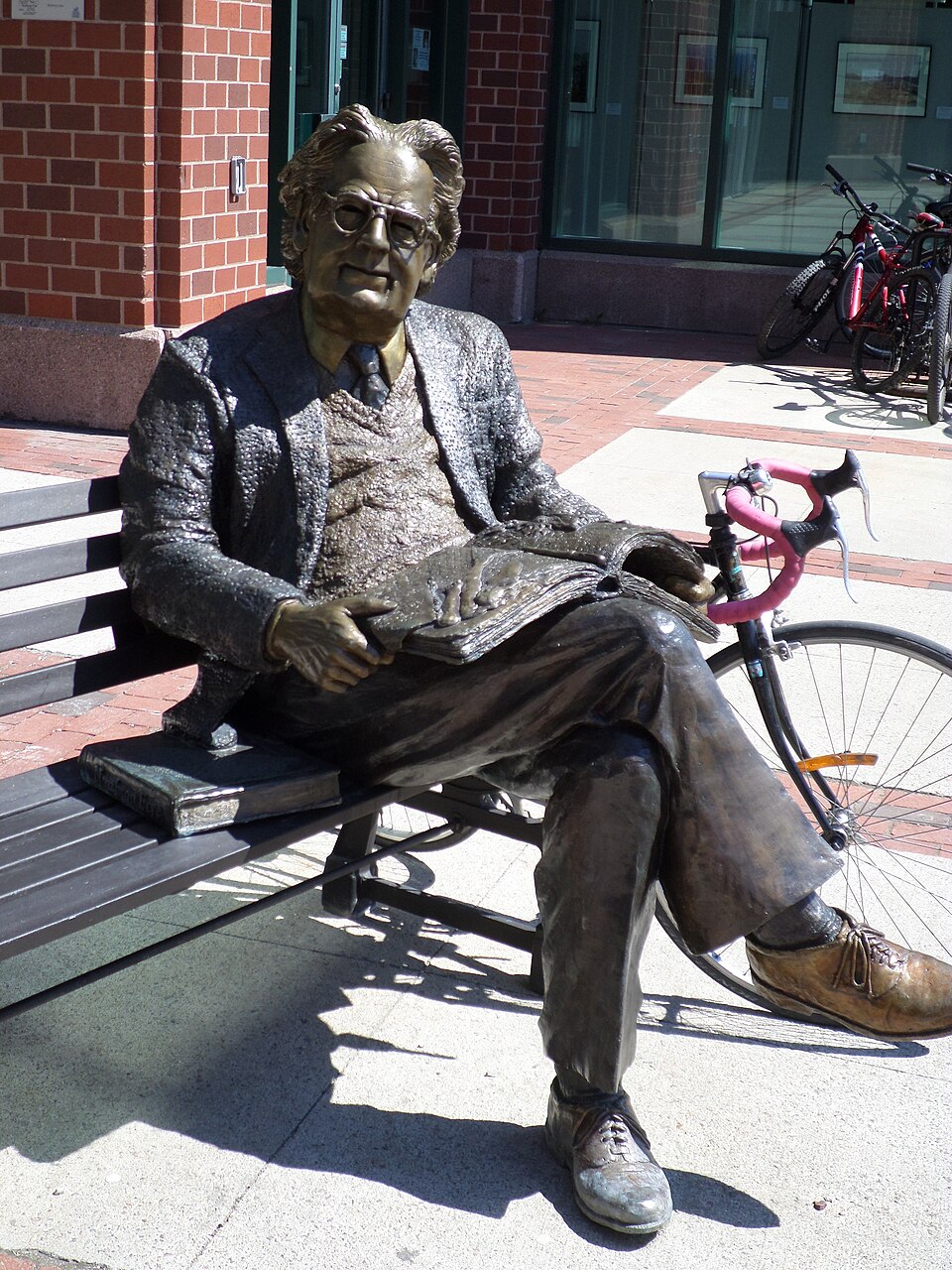
Source: Wikipedia (CC BY-SA). Portrait by Ashoola (CC BY-SA 4.0) via Wikimedia Commons.
Life on the Timeline
Major Works
Exam Dossier
Most-asked topics
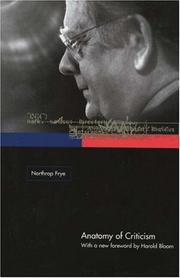
- Anatomy of Criticism (1957) and its four essays
- Archetypal/myth criticism as a critical school
- The theory of modes (mythic, romantic, high mimetic, low mimetic, ironic)
- The four mythoi (comedy, romance, tragedy, irony/satire) and the seasonal analogy
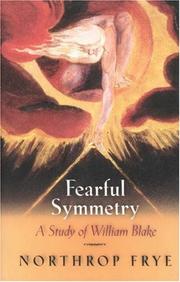
- Fearful Symmetry (1949) and Frye's study of William Blake
- Frye's view of literature as an autonomous, self-contained 'order of words'
- The Great Code: the Bible as imaginative substructure of Western literature
- Frye's place in 20th-century criticism relative to New Criticism, Leavis, and Richards
Previous-year themes
- Definition and scope of archetypal/myth criticism
- Frye's classification of literary modes and heroes
- The structure and argument of Anatomy of Criticism
- Frye's contribution to genre theory (mythos of comedy, romance, tragedy, irony)
- Fearful Symmetry as a study of Blake's symbolic system
- Frye's conception of criticism as a systematic, scientific discipline
- Frye's treatment of the Bible and literature
Common confusions
- Treating Frye's literary 'archetype' as identical to Jung's psychoanalytic archetype/collective unconscious, when Frye's archetype is a literary-conventional unit defined by recurrence across texts.
- Mixing up Fearful Symmetry (1949, a focused study of Blake) with Anatomy of Criticism (1957, Frye's general theory of literature).
- Confusing the four mythoi (comedy, romance, tragedy, irony/satire) with the five narrative modes (mythic, romantic, high mimetic, low mimetic, ironic) — these are two separate schemes in Anatomy of Criticism.
- Assuming Frye was British; he was Canadian and taught at the University of Toronto.
- Confusing The Great Code (on the Bible and literature, 1982) with The Secular Scripture (on the structure of romance, 1976).
- Assuming Frye was an evaluative critic like F.R. Leavis; Frye explicitly opposed value-judgment-based criticism in favour of descriptive, systematic analysis.
Memory tricks
'FEARful Symmetry' → FEAR pairs with Blake's tiger imagery: remember it is Frye's book on Blake.
Anatomy = dissection: Anatomy of Criticism (1957) 'cuts open' literature into a systematic structure.
Four seasons, four mythoi: Spring-Comedy, Summer-Romance, Autumn-Tragedy, Winter-Irony/Satire.
HEAR = Historical, Ethical, Archetypal, Rhetorical — the four essays of Anatomy of Criticism.
'Great CODE unlocks the Book' — The Great Code studies the Bible as literature's shaping code.
Frye = Toronto, not London — Canadian critic, taught at Victoria College.