Modernism
Cleanth Brooks
1906 – 1994
American literary critic and academic (1906–1994)
- United States
- American
- New Criticism
- Literary Theory
About
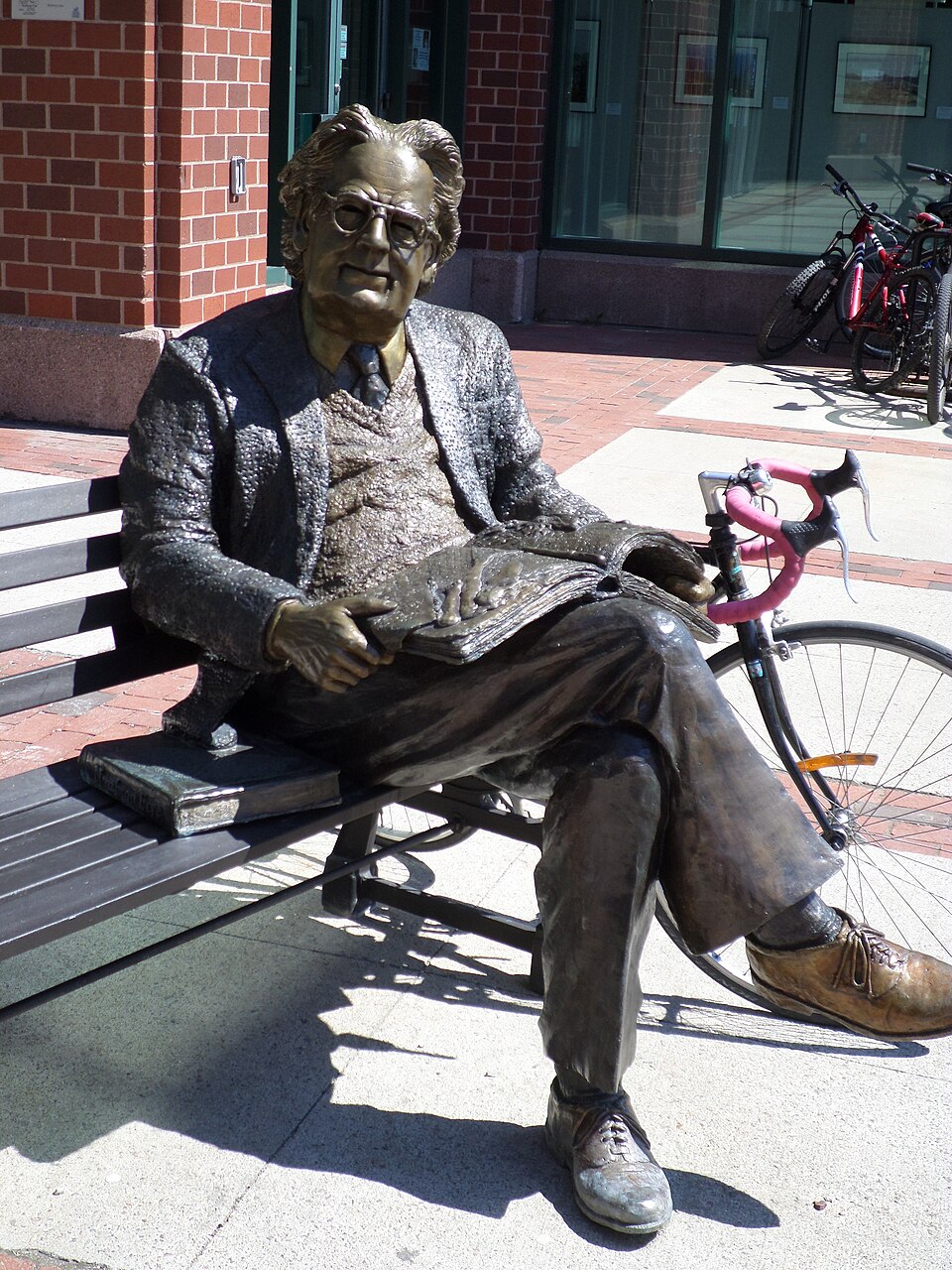
Cleanth Brooks was an American literary critic and professor. He is best known for his contributions to New Criticism in the mid-20th century and for revolutionizing the teaching of poetry in American higher education. His best-known works, The Well Wrought Urn: Studies in the Structure of Poetry (1947) and Modern Poetry and the Tradition (1939), argue for the centrality of ambiguity and paradox as a way of understanding poetry. With his writing, Brooks helped to formulate formalist criticism, emphasizing "the interior life of a poem" and codifying the principles of close reading.
Source: Wikipedia (CC BY-SA).
Life on the Timeline
Major Works
No works have been hung in this gallery yet — the acquisitions team is at work.
Exam Dossier
Most-asked topics
- New Criticism and its principles
- The Well Wrought Urn (1947) and the 'heresy of paraphrase'
- Concept of paradox and ambiguity in poetry
- Close reading as a critical method
- Formalism and the autonomy of the literary text
- Brooks and Robert Penn Warren's Understanding Poetry (1938) and pedagogy
- Intentional fallacy and affective fallacy (Wimsatt–Beardsley context)
- Brooks's readings of metaphysical poets (Donne) and Romantic/Modern poets (Keats, Yeats)
Previous-year themes
- Definition and tenets of New Criticism
- Meaning and significance of 'heresy of paraphrase'
- Brooks's concept of paradox as the language of poetry
- Role of close reading in formalist criticism
- Well Wrought Urn as a landmark critical text
- Understanding Poetry and its impact on pedagogy
- Distinction between New Criticism and other schools (Russian Formalism, Practical Criticism)
Common confusions
- Confusing Cleanth Brooks with I. A. Richards — Richards founded Practical Criticism in Britain (1929), while Brooks was a leading figure of American New Criticism.
- Confusing 'heresy of paraphrase' with 'intentional fallacy' — the former (Brooks) concerns reducing a poem to prose meaning; the latter (Wimsatt and Beardsley) concerns judging a poem by the author's intention.
- Confusing Understanding Poetry (1938, poetry) with Understanding Fiction (1943, prose fiction) — both co-authored with Robert Penn Warren but different genres.
- Mixing up The Well Wrought Urn (1947) with Modern Poetry and the Tradition (1939) — the Urn is the later, more famous work on paradox and structure.
- Assuming New Criticism ignores form — in fact it privileges form and structure over context, the opposite misconception being that it ignores the text.
- Confusing Brooks's co-author on Understanding Poetry (Robert Penn Warren) with his co-author on Literary Criticism: A Short History (W. K. Wimsatt).
Memory tricks
'Brooks builds the Urn' — Well Wrought URN (1947) = Brooks's landmark, structure-focused text.
'Heresy of Paraphrase = Poem ≠ Prose' — remember Brooks rejects summarizing a poem's 'message.'
Understanding POETRY before Understanding FICTION — alphabetical and chronological (1938 then 1943), both with Warren.
'Brooks and Warren, partners in Understanding' — pairs Brooks's two major textbook collaborations with Robert Penn Warren.
New Criticism = Text is King — no author, no history, only the words on the page (Brooks's formalist creed).
PARADOX is at the core — think 'Paradox = the URN's core principle' to link concept and title.