Modernism
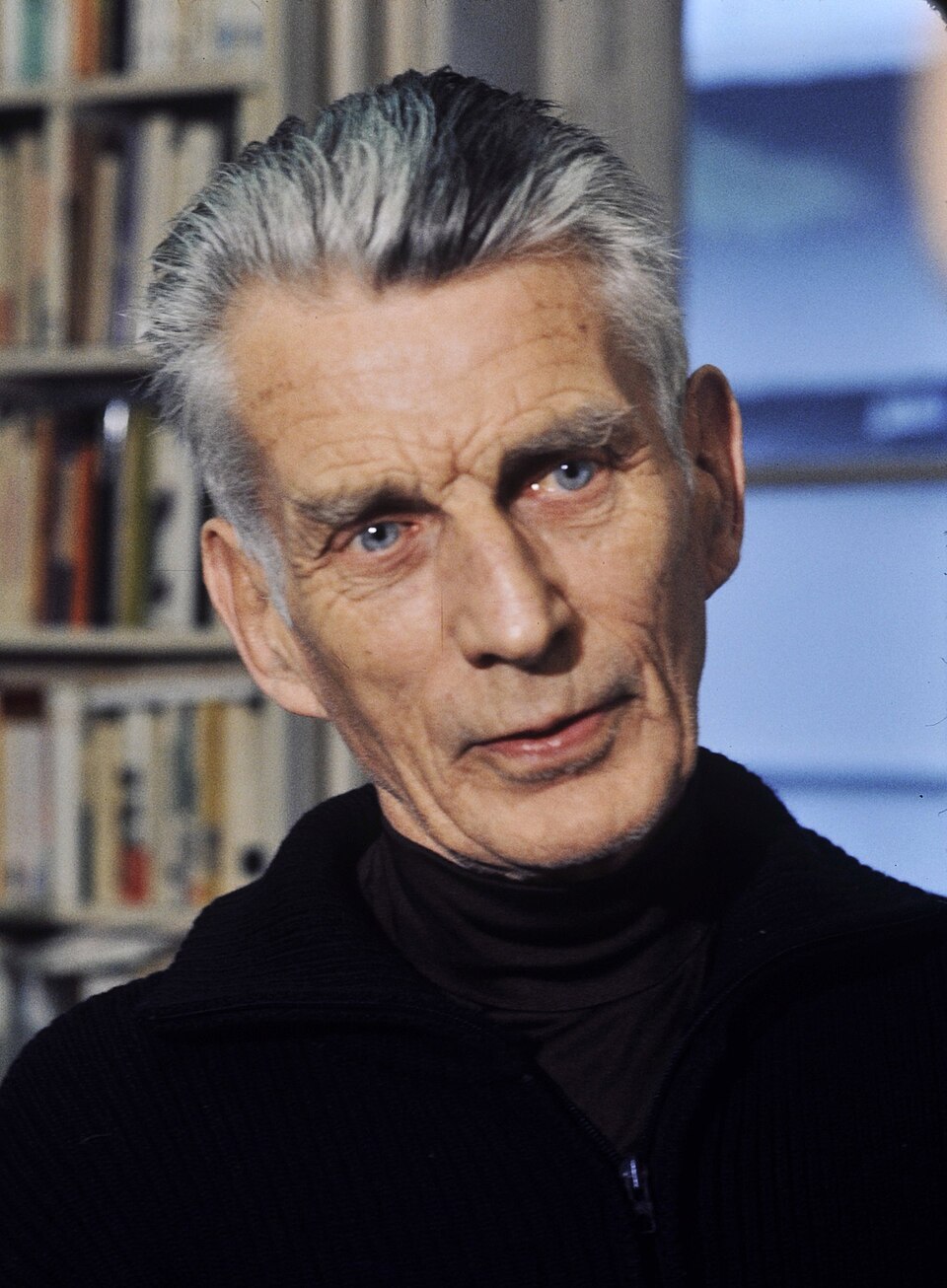
Samuel Beckett
1906 – 1989
Irish writer (1906–1989)
- Ireland
- Irish
- Theatre of the Absurd
- Modernism
- nouveau-roman
- ◆ Nobel 1969
About
Samuel Barclay Beckett was an Irish playwright, novelist, and poet. Written in both English and French, his literary and theatrical works feature bleak, impersonal, and tragicomic episodes of life, coupled with black comedy and literary nonsense. Beckett is widely regarded as one of the most influential and important writers of the 20th century, credited with transforming modern theatre. As a major figure of Irish literature, he is best known for his tragicomedy play Waiting for Godot (1953). For his foundational contribution to both literature and theatre, Beckett received the 1969 Nobel Prize in Literature, "for his writing, which—in new forms for the novel and drama—in the destitution of modern man acquires its elevation."
Source: Wikipedia (CC BY-SA). Portrait by Roger Pic (Public domain) via Wikimedia Commons.
Life on the Timeline
Major Works
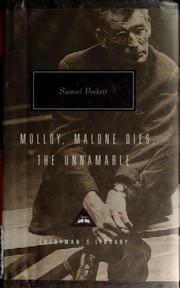
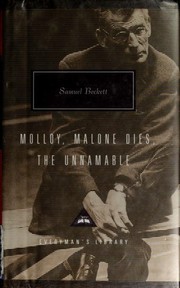
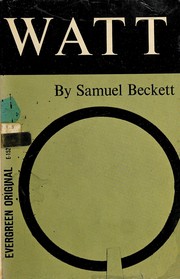
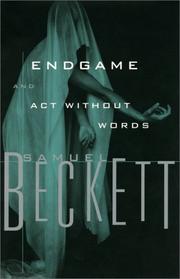
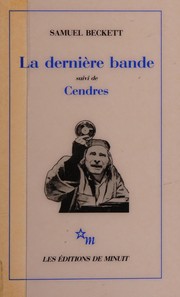
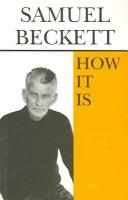
Exam Dossier
Most-asked topics
- Waiting for Godot: plot, characters, premiere and publication dates
- Theatre of the Absurd and Martin Esslin's coinage
- The Trilogy: Molloy, Malone Dies, The Unnamable — order and narrative technique
- Endgame: characters and tragicomic vision
- Beckett's bilingualism and self-translation (French/English)
- Nobel Prize in Literature 1969 and the citation
- Beckett and James Joyce: influence and contrast
- Late minimalist plays: Krapp's Last Tape, Happy Days, Not I
- Famous lines and closing/opening sentences of Beckett's works
- Beckett within Irish literature and European modernism
Previous-year themes
- Identifying the correct chronological order of Beckett's plays and novels
- Matching characters (Vladimir, Estragon, Pozzo, Lucky, Hamm, Clov, Winnie, Krapp) to their plays
- Waiting for Godot as an absurdist play — the 'nothing happens, twice' critique
- Beckett's trilogy of novels and its narrative disintegration
- The Theatre of the Absurd: Beckett alongside Ionesco, Genet and Pinter
- Beckett's Nobel Prize year and citation
- Famous quotations ('Nothing to be done', 'I can't go on, I'll go on', 'Fail better') and their sources
- Beckett's relationship with Joyce and his place in modernism
Common confusions
- Waiting for Godot: French publication 1952 vs Paris premiere January 1953 vs English version (London 1955) — papers test all three dates.
- Trilogy order: Molloy → Malone Dies → The Unnamable (not alphabetical; The Unnamable comes last).
- Martin Esslin coined 'Theatre of the Absurd' — Beckett never used the label for himself, and Camus's 'absurd' (Myth of Sisyphus) is philosophy, not the theatrical term.
- 'Fail again. Fail better.' is from Worstward Ho, not from Waiting for Godot or Endgame.
- Character pairs: Vladimir/Estragon and Pozzo/Lucky belong to Godot; Hamm/Clov and Nagg/Nell belong to Endgame — do not mix the pairs.
- Happy Days (play, Winnie in the mound, 1961) vs How It Is (novel, 1961) — same year, different genres.
Memory tricks
Trilogy order: 'Mo-Ma-Un' — Molloy, Malone Dies, The Unnamable (Mo before Ma? No — remember M-O before M-A-lone by the phrase 'MOlloy MAkes UNnamable').
Godot cast = 'V.E.P.L. + Boy': Vladimir, Estragon, Pozzo, Lucky, and the Boy messenger.
Endgame = chess ending: HAMM the king who cannot move, CLOV the pawn who serves; grandparents Nagg & Nell 'binned' like captured pieces.
Nobel '69: 'new forms for the Novel and Drama' — N and D, the two genres Beckett transformed.
MWWG = Murphy (1938) → Watt (written in wartime, pub. 1953) → the French trilogy (1951-53) → Godot: novels first, fame by drama.
Krapp = tape: one K-man, one tape recorder, one act — the loneliest birthday party in drama.