Postmodern
John Osborne
1929 – 1994
English playwright (1929-1994)
- United Kingdom
- British
- Angry Young Men
- Kitchen-Sink Drama
About
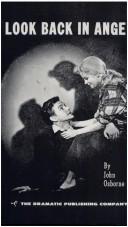
John James Osborne was an English playwright, screenwriter, actor, and entrepreneur, who is regarded as one of the most influential figures in post-war theatre. Born in London, he briefly worked as a journalist before starting out in theatre as a stage manager and actor. He lived in poverty for several years before his third produced play, Look Back in Anger (1956), brought him national fame.
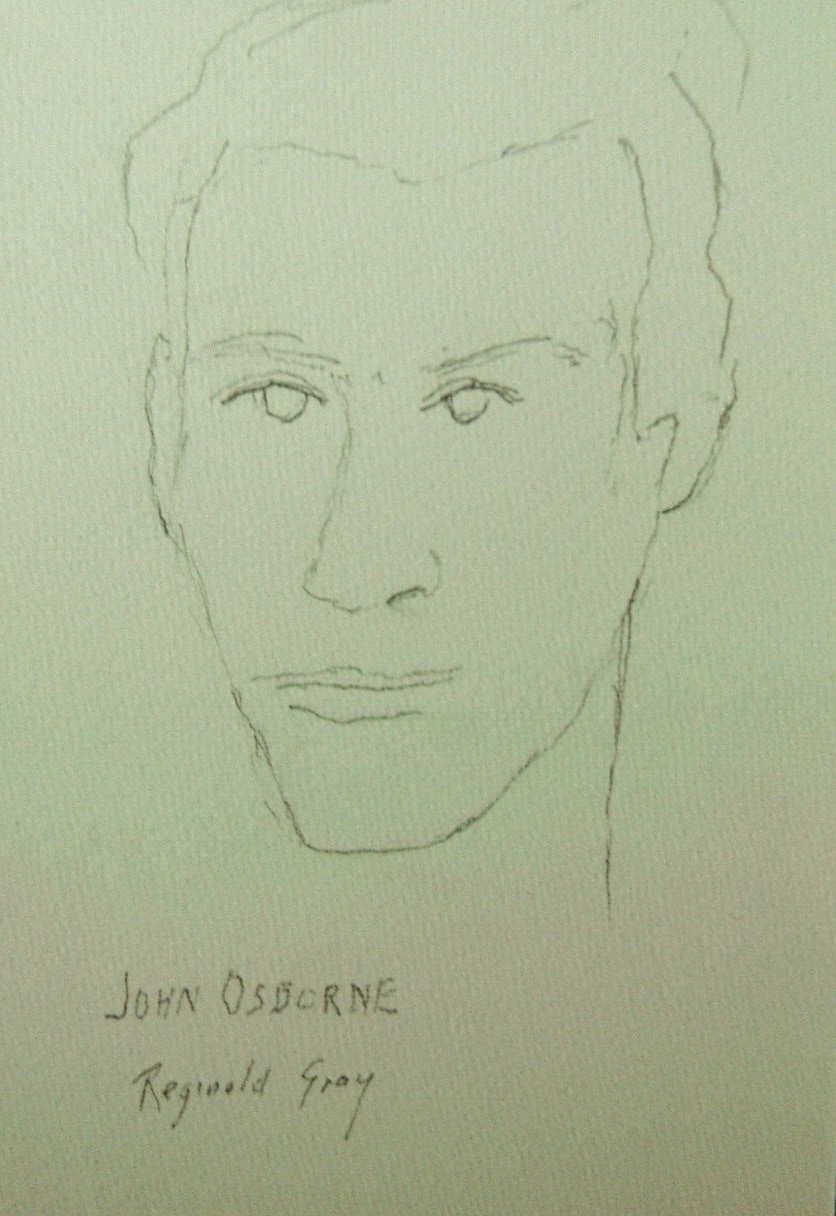
Source: Wikipedia (CC BY-SA). Portrait by Reginald gray (CC0) via Wikimedia Commons.
Life on the Timeline
Major Works
Exam Dossier
Most-asked topics
- Look Back in Anger (1956) as the founding text of the Angry Young Men movement
- Jimmy Porter as the archetypal 'angry young man' anti-hero
- Kitchen-sink realism and domestic settings in Osborne's drama
- The Entertainer and the Archie Rice metaphor for post-imperial British decline
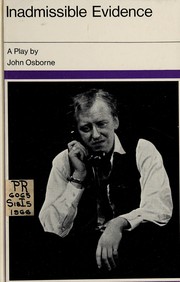
- Inadmissible Evidence and Bill Maitland as a study in professional and moral collapse
- Osborne's role in the 'New Wave' of British theatre and the Royal Court/English Stage Company
- Luther as a departure into history/epic biographical drama
- Osborne's contribution to post-war British realism versus the well-made play tradition
Previous-year themes
- Origins and meaning of the term 'Angry Young Men'
- Look Back in Anger as a landmark of post-war British theatre
- Jimmy Porter's character and his class-based disillusionment
- Kitchen-sink drama as a genre/technique
- Role of the Royal Court Theatre and English Stage Company in the 'New Wave'
- Osborne's dramatic technique: monologue, domestic setting, colloquial speech
- Comparison of Osborne with other post-war British dramatists (Pinter, Beckett)
Common confusions
- Treating 'Angry Young Men' as a formal literary school with a shared manifesto, rather than a loose journalistic label applied to several unrelated writers.
- Confusing Jimmy Porter (Look Back in Anger) with Bill Maitland (Inadmissible Evidence) — both are Osborne anti-heroes given extended confessional monologues but from different decades and social roles.
- Mixing up 'kitchen sink drama' (post-war British domestic theatre realism) with 'kitchen sink school' in British painting of the same era — related in spirit but distinct art forms.
- Assuming Look Back in Anger was Osborne's first play; it was actually his third produced work, after earlier plays failed to gain attention.
- Confusing Luther, Osborne's biographical play about Martin Luther, with a religious devotional work rather than a piece of secular epic theatre.
- Assuming all 'Angry Young Men' writers shared Osborne's working-class, theatrical background, when the label grouped novelists and playwrights of varied class origins.
Memory tricks
'LOOK Back' in 1956 — the mid-1950s is when the 'angry' decade in British theatre LOOKS back at post-war disillusionment.
Archie RICE = 'stale rice' of a dying music-hall tradition — link the character's name to decayed entertainment.
Jimmy PORTER carries no 'good, brave cause' — remember his famous despairing line via his surname.
Bill MAITLAND, MID-sixties, a Man In Legal Anguish — Inadmissible Evidence, 1965, solicitor protagonist.
Osborne = ROYAL COURT dramatist — his major premieres are tied to the Royal Court/English Stage Company.
Order mnemonic 'LEaLI': Look Back (56) - Entertainer (57) - Luther (61) - Inadmissible Evidence (65).