Modernism
Mulk Raj Anand
1905 – 2004
Indian English writer (1905–2004)
- India · British Raj · Dominion of India
- Indian Writing in English
- Progressive Writers' Movement
- Realism
- bloomsbury-group
- progressive-writers-movement
About
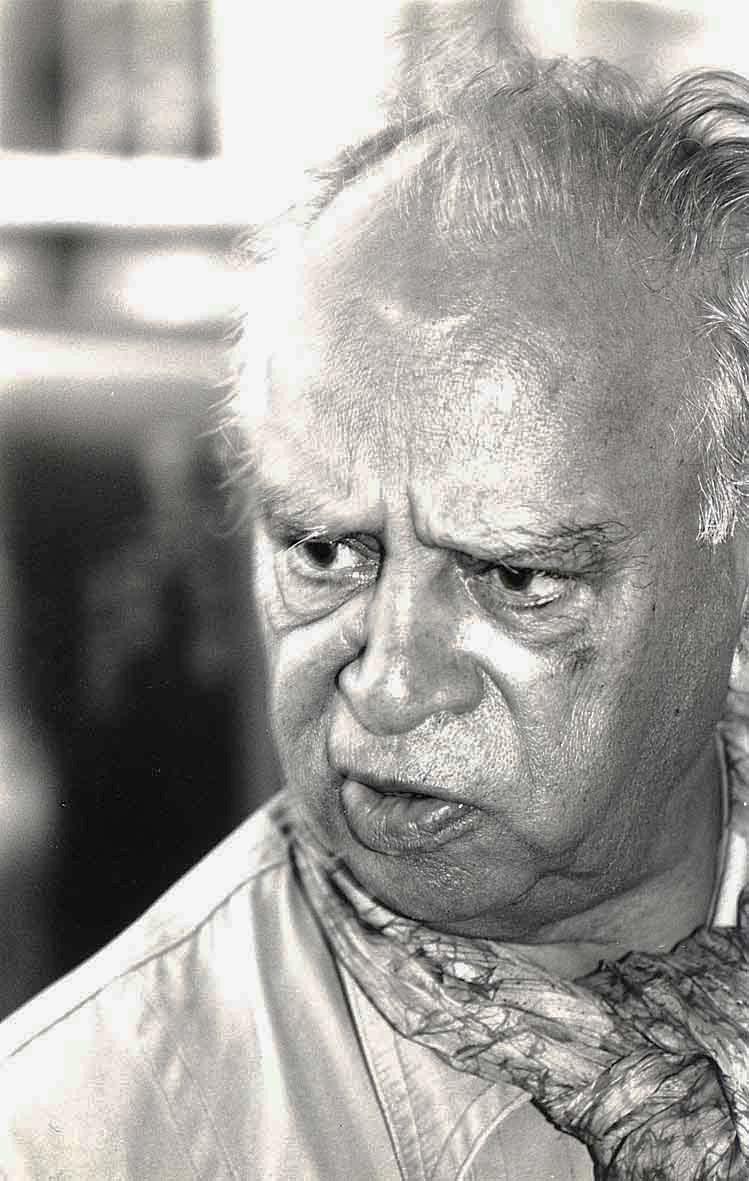
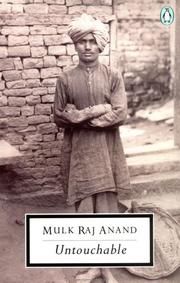
Mulk Raj Anand was an Indian writer in the English language, recognised for his depiction of the lives of the poorer class in the traditional Indian society. One of the pioneers of Indo-Anglian fiction, he, together with R. K. Narayan and Raja Rao, was one of the first India-based writers in the English language to gain an International readership. Anand is admired for his novels and short stories, which have acquired the status of classics of modern Indian English literature; they are noted for their perceptive insight into the lives of the oppressed and for their analysis of impoverishment, exploitation and misfortune. He became known for his protest novel Untouchable (1935), which was followed by other works on the Indian poor such as Coolie (1936) and Two Leaves and a Bud (1937). He is also noted for being among the first writers to incorporate Punjabi and Hindustani idioms into English, and was a recipient of the civilian honour of the Padma Bhushan, the third-highest civilian award in the Republic of India.
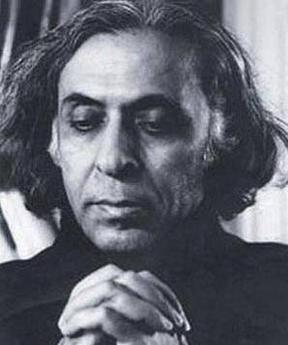
Source: Wikipedia (CC BY-SA). Portrait by Amarjit Chandan (CC BY-SA 4.0) via Wikimedia Commons.
Life on the Timeline
Major Works
Exam Dossier
Most-asked topics
- Untouchable (1935) — plot, structure, single-day technique, three solutions to untouchability
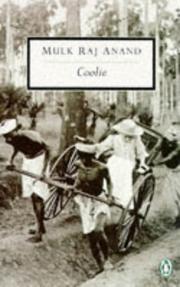
- Coolie (1936) — Munoo's journey and social criticism
- Two Leaves and a Bud (1937) — plantation exploitation and colonial capitalism
- The village/Lalu trilogy (The Village, Across the Black Waters, The Sword and the Sickle)
- Progressive Writers' Movement and Anand's role as co-founder
- Anand's humanism, Marxism and Gandhian influence
- Indo-Anglian fiction's 'Big Three': Anand, R. K. Narayan, Raja Rao
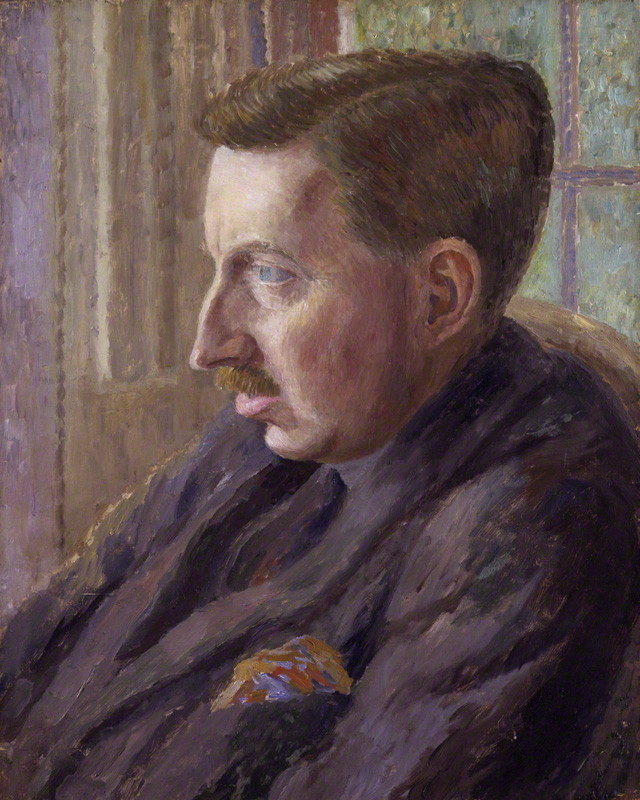
- E. M. Forster's Preface to Untouchable and the Bloomsbury connection
- Autobiographical Seven Ages novels beginning with Seven Summers
- Anand's narrative technique, use of Punjabi/Hindustani idiom in English prose
Previous-year themes
- Identification of Untouchable's protagonist, structure (a single day) and its three proposed 'solutions' to caste oppression
- Anand's place among pioneers of Indian English fiction alongside Narayan and Raja Rao
- Anand as social realist/protest novelist depicting the poor, exploited and oppressed
- Role of the Progressive Writers' Movement/Association in shaping Anand's fiction
- Chronology and titles of Anand's major novels of the 1930s-40s
- E. M. Forster's association with Untouchable (Preface) and Bloomsbury links
- Recurring protagonists/characters across Anand's novels (Bakha, Munoo, Gangu, Lalu)
- Anand's civilian honours and institutional recognition (Padma Bhushan, Sahitya Akademi)
Common confusions
- Confusing Bakha (Untouchable's sweeper protagonist) with Munoo (Coolie's protagonist, a migrant child labourer) — different novels, different social predicaments (caste vs. class/child labour).
- Assuming Anand invented the Progressive Writers' Movement single-handedly, when it was a collective founding (with figures such as Sajjad Zaheer) that Anand joined and championed.
- Mixing up the order of the village trilogy: it runs The Village (1939) → Across the Black Waters (1940) → The Sword and the Sickle (1942), not the reverse.
- Treating Anand as a straightforward realist reporter rather than recognising his blend of realism with Marxist and Gandhian humanist ideology.
- Confusing Anand's autobiographical 'Seven Ages' sequence (beginning with Seven Summers, 1951) with his social-protest fiction of the 1930s.
- Assuming all three of the 'Big Three' (Anand, Narayan, Rao) share an identical style, when in fact Anand's social realism differs markedly from Narayan's gentle Malgudi comedy and Rao's metaphysical/philosophical prose.
Memory tricks
'U-C-T in 5-6-7': Untouchable (1935), Coolie (1936), Two Leaves and a Bud (1937) — three consecutive years, three consecutive protest novels.
'Village → Waters → Sword' (V-W-S) tracks the trilogy's forward chronology: The Village, Across the Black Waters, The Sword and the Sickle.
'Big Three' = Anand + Narayan + Rao — the founding trio of the Indian English novel with international readership.
'Bakha bears it in a day' — remember Untouchable's single-day structure by linking Bakha's name to 'a day'.
'Anand = Advocate for the Underdog' — mnemonic for his recurring theme of the oppressed poor (sweepers, coolies, plantation labourers).