Modernism
R. K. Narayan
1906 – 2001
Indian writer (1906–2001)
- British Raj · India · Dominion of India
- Indian Writing in English
About
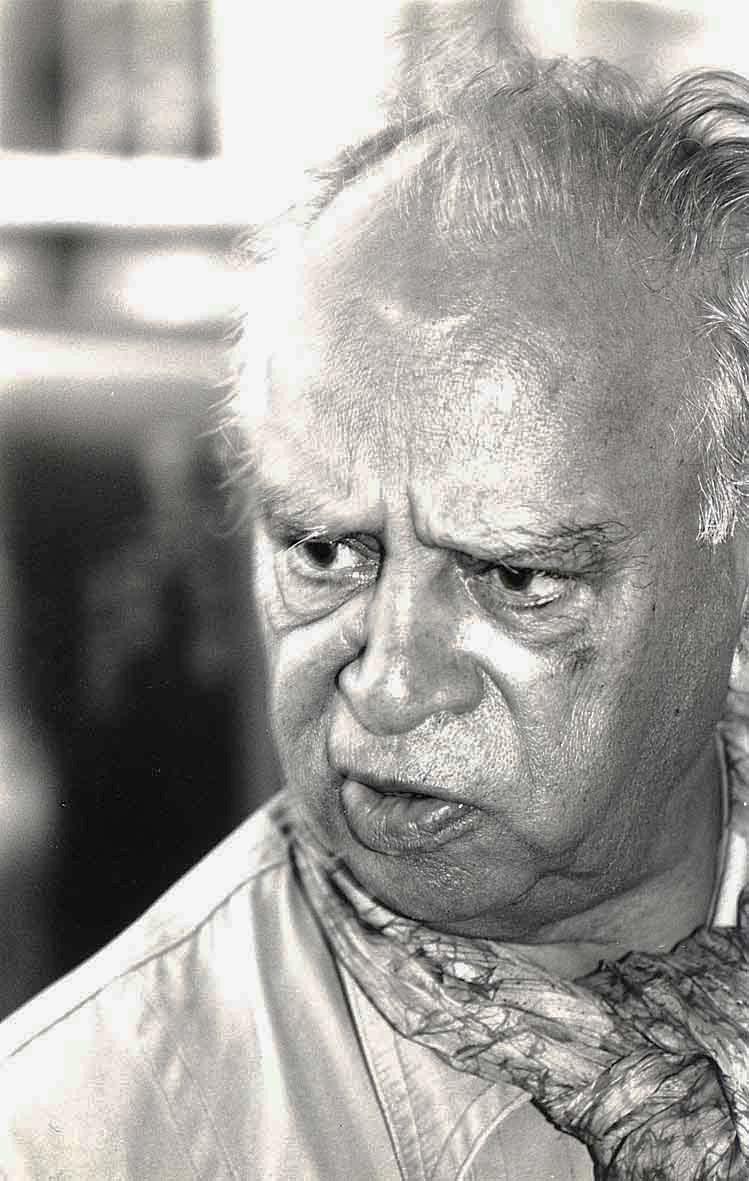
Rasipuram Krishnaswami Narayanaswami, better known as R. K. Narayan, was an Indian writer and novelist known for his work set in the fictional South Indian town of Malgudi. He was a leading author of early Indian literature in English along with Mulk Raj Anand and Raja Rao. In 1980, he received the AC Benson Medal from the Royal Society of Literature, and in 1981 he was made an Honorary Member of the American Academy and Institute of Arts and Letters.
Source: Wikipedia (CC BY-SA). Portrait by R. K. Balaraman (photographer) (Public domain) via Wikimedia Commons.
Life on the Timeline
Major Works
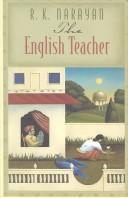
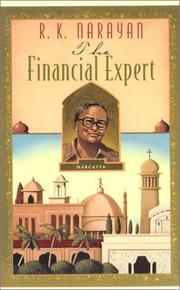
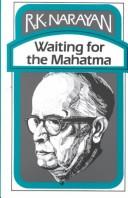
Exam Dossier
Most-asked topics
- Malgudi as a fictional South Indian town and unifying device across novels
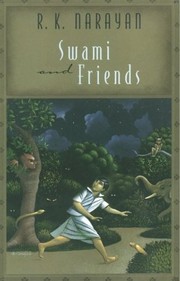
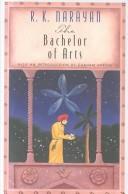
- The autobiographical trilogy: Swami and Friends, The Bachelor of Arts, The English Teacher
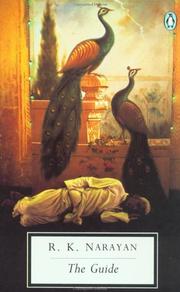
- The Guide — narrative structure, Raju's transformation from guide to 'swami'
- Comic irony, gentle satire, and realism in Narayan's fiction
- Narayan, Mulk Raj Anand, and Raja Rao as the founding trio of Indian English fiction
- Role of Graham Greene in launching Narayan's career
- Gandhi and the freedom movement in Waiting for the Mahatma
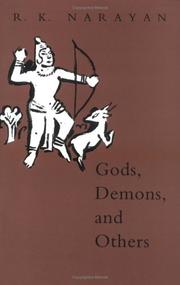
- Use of Indian myth and legend in Gods, Demons and Others
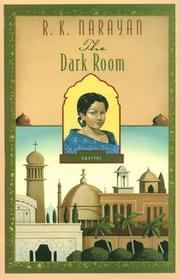
- Women and marital relationships in The Dark Room
- Craft of the short story in Malgudi Days
Previous-year themes
- Indian Writing in English: the pioneering trio (Narayan, Anand, Rao) and their differing idioms
- Malgudi as a microcosm of small-town/middle-class India
- Comic vision, irony, and understatement as Narayan's signature style
- The Guide: theme of illusion, reality, and spiritual/moral transformation
- Tradition versus modernity and East-West encounter in Narayan's novels
- Women characters and social change (Savitri in The Dark Room, Rosie in The Guide)
- Narayan's simplicity of prose and comparisons to Chekhov
Common confusions
- Confusing R.K. Narayan's gentle comic realism with Mulk Raj Anand's harsher social protest fiction or Raja Rao's philosophical, Sanskritised prose — the three are often grouped together but write in very different registers.
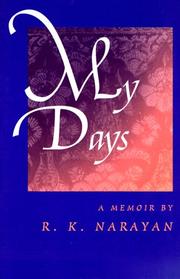
- Mixing up My Days (1974, Narayan's autobiography) with Malgudi Days (1943, his short-story collection) — the titles are easily confused in exam questions.
- Assuming The Guide was Narayan's first novel; in fact Swami and Friends (1935) is his debut, and The Guide came more than two decades later (1958).
- Confusing the protagonists of Narayan's 'financial'/social novels — Margayya (The Financial Expert), Jagan (The Vendor of Sweets), and Raju (The Guide) are distinct characters from different novels.
- Treating the 1965 Dev Anand film adaptation of The Guide as identical to the novel — the film's plot and ending differ from Narayan's text.
- Assuming Narayan wrote primarily poetry or drama; he is a novelist and short-story writer, unlike contemporaries such as Sarojini Naidu or Rabindranath Tagore.
Memory tricks
'My Days' = MY own life (autobiography); 'Malgudi Days' = MALgudi's many short stories.
MARGAYYA sounds like 'margin/money' — remember him as the Financial Expert.
JAGAN the Vendor of Sweets guards tradition against his Westernised son — think 'Jagan jealously guards jaggery.'
The autobiographical trilogy follows Narayan's own life stages in order: Swami (school) — Bachelor (college) — English Teacher (marriage/loss) = S-B-E.
Graham GREENE gave Narayan's career its first 'green light' by helping publish Swami and Friends.
RAJU rhymes with 'GUIDE' — Raju is the reluctant guide-turned-swami of The Guide.