Victorian
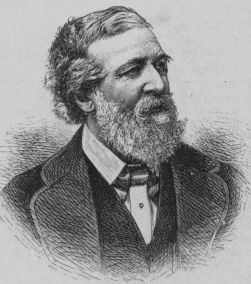
Robert Browning
1812 – 1889
English poet and playwright (1812–1889)
- United Kingdom of Great Britain and Ireland · United Kingdom
- British
About
Robert Browning was an English poet and playwright whose dramatic monologues put him high among the Victorian poets. He was noted for irony, characterisation, dark humour, social commentary, historical settings and challenging vocabulary and syntax.
Source: Wikipedia (CC BY-SA). Portrait (Public domain) via Wikimedia Commons.
Life on the Timeline
Major Works
Exam Dossier
Most-asked topics
- Dramatic monologue as a form: features and Browning's perfection of it
- My Last Duchess: speaker, setting, silent listener, irony
- Men and Women (1855) and its major monologues
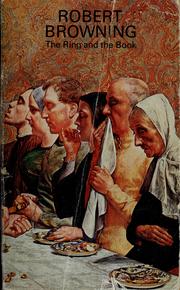
- The Ring and the Book: structure, source, multiple perspectives
- Browning's obscurity: Sordello and difficult syntax
- Browning's optimism and philosophy of imperfection (Rabbi Ben Ezra, Andrea del Sarto)
- Relationship with Elizabeth Barrett Browning and the Italian years
- Art poems and Renaissance painters: Fra Lippo Lippi, Andrea del Sarto
- Chronology of volumes from Pauline (1833) to Asolando (1889)
- Browning's influence on modern poetry (Pound, Eliot)
Previous-year themes
- Identifying the speaker and silent auditor of famous dramatic monologues
- Matching poems to their volumes (Dramatic Lyrics, Men and Women, Dramatis Personae)
- The Ring and the Book: the Old Yellow Book source and the Roman murder trial
- Famous lines and their sources (Pippa Passes, Andrea del Sarto, Rabbi Ben Ezra)
- Distinction between dramatic monologue and soliloquy
- Chronological arrangement of Browning's works
- Browning versus Tennyson as representative Victorian poets
- The target of satire in 'The Lost Leader'
Common confusions
- Robert Browning vs Elizabeth Barrett Browning: HE wrote The Ring and the Book and the dramatic monologues; SHE wrote Sonnets from the Portuguese and Aurora Leigh — students routinely swap Aurora Leigh onto Robert.
- Dramatic monologue vs soliloquy: the monologue has a specific silent listener and dramatic occasion (the envoy in 'My Last Duchess'); a soliloquy is speech to oneself with no auditor.
- 'Home-Thoughts, from Abroad' vs 'Home-Thoughts, from the Sea': two different 1845 poems; 'Oh, to be in England' opens the first.
- Men and Women (1855) vs Dramatis Personae (1864) contents: Fra Lippo Lippi / Andrea del Sarto / Childe Roland are 1855; Rabbi Ben Ezra / Caliban upon Setebos / Abt Vogler are 1864.
- 'Childe Roland to the Dark Tower Came' is not from a medieval romance — the title comes from Edgar's song in Shakespeare's King Lear.
- The Ring and the Book (1868-69) is Browning's; do not confuse the 'ring' metaphor (raw gold of fact alloyed by imagination) with wedding-ring poems, and remember its heroine is Pompilia, not the Duchess.
Memory tricks
PPS-PDD-MDR-A: Pauline (1833), Paracelsus (1835), Sordello (1840) — then Pippa, Dramatic Lyrics, Dramatic Romances — then Men and Women, Dramatis Personae, Ring and the Book — Asolando last.
The 3-8-3 date ladder: 1833 Pauline, 1835 Paracelsus, 1840 Sordello — early works climb in steps of 2 and 5.
'FAC in 1855': Fra Lippo Lippi, Andrea del Sarto, Childe Roland = Men and Women (1855). 'RCA in 1864': Rabbi Ben Ezra, Caliban, Abt Vogler = Dramatis Personae (1864).
Ring = 12: The RING and the Book has twelve books like the twelve numbers on a clock face (1868).
Asolando = 'A solo ending': published the very day Browning died, 12 December 1889.
Lost Leader = Lost Lakes poet: the 'handful of silver' deserter is Wordsworth.