Romantic
Elizabeth Barrett Browning
1806 – 1861
English poet (1806–1861)
- United Kingdom of Great Britain and Ireland
- British
About
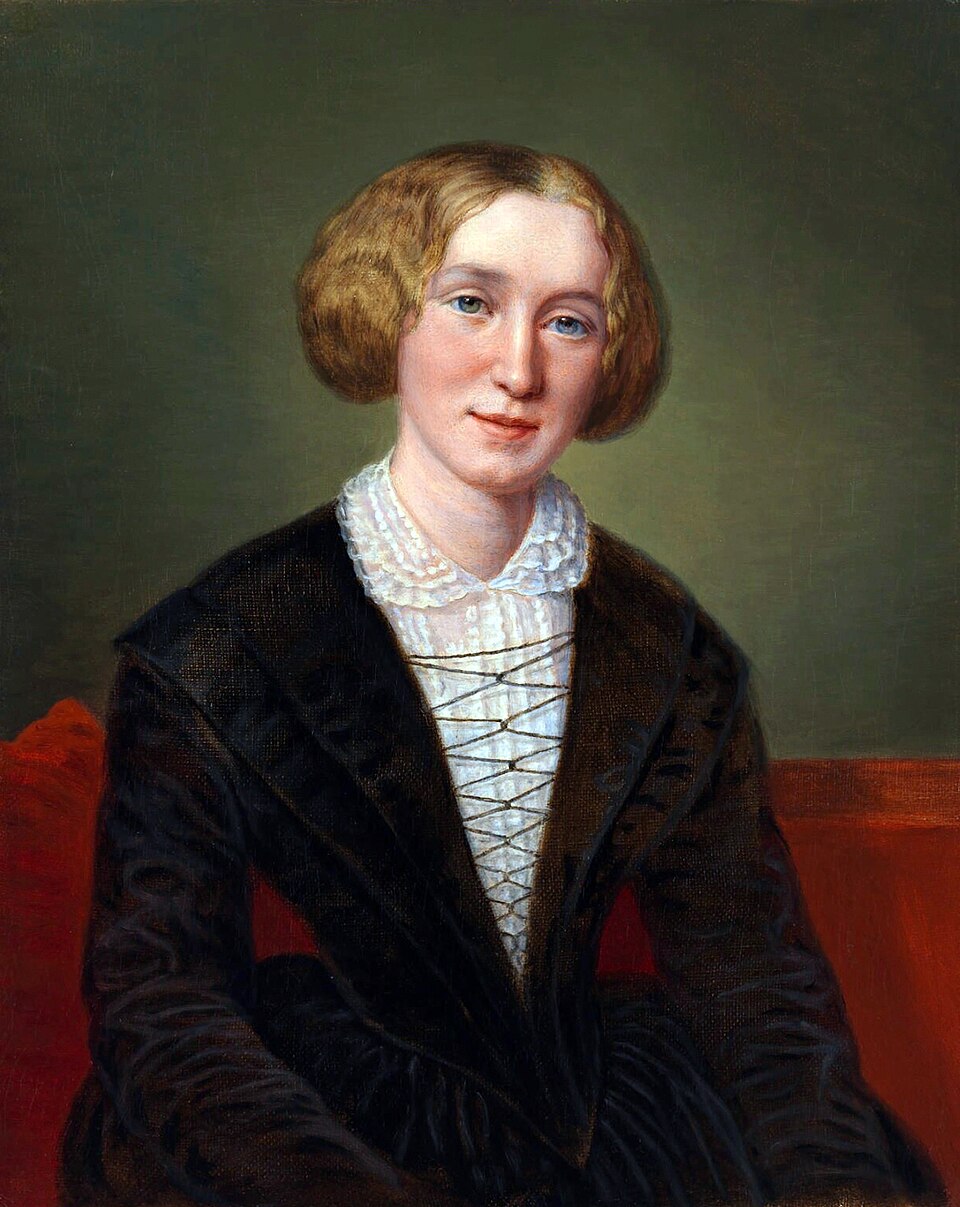
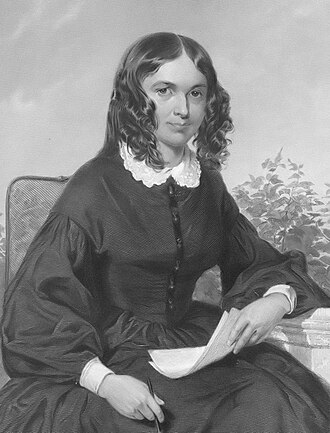
Elizabeth Barrett Browning was an English poet of the Victorian era, popular in Britain and the United States during her lifetime and frequently anthologised after her death. Her work received renewed attention following the feminist scholarship of the 1970s and 1980s, and greater recognition of women writers in English. Born in County Durham, the eldest of 12 children, Elizabeth Barrett wrote poetry from the age of eleven. Her mother's collection of her poems forms one of the largest extant collections of juvenilia by any English writer. At 15, she became ill, suffering intense head and spinal pain for the rest of her life. Later in life, she also developed lung problems, possibly tuberculosis. She took laudanum for the pain from an early age, which is likely to have contributed to her frail health.
Source: Wikipedia (CC BY-SA). Portrait (Public domain) via Wikimedia Commons.
Life on the Timeline
Major Works
Exam Dossier
Most-asked topics
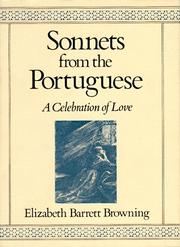
- Sonnets from the Portuguese as autobiographical love sequence
- Aurora Leigh as verse-novel and epic of the woman poet
- EBB's influence on the Victorian courtship/marriage narrative in poetry
- Feminist recovery of EBB in 1970s-80s scholarship
- The Barrett-Browning courtship and elopement to Italy
- EBB and the Elizabethan/Petrarchan sonnet tradition
- Disability, illness and the body in EBB's poetry
- EBB's political poems on Italy and social reform (child labour, slavery)
Previous-year themes
- Sonnets from the Portuguese as a sequence disguising personal love poetry as translation
- Aurora Leigh as a hybrid genre: verse-novel/epic with a female Künstlerroman
- EBB's place in the Victorian era vis-a-vis Robert Browning and Tennyson
- Feminist criticism and rediscovery of EBB's reputation after decades of eclipse
- EBB's themes of female authorship, vocation and social critique
- Comparison of EBB's poetic reputation in her lifetime versus after her death
Common confusions
- Confusing Elizabeth Barrett Browning with her husband Robert Browning, especially attributing his dramatic monologues (e.g. 'My Last Duchess') to her.
- Treating 'Sonnets from the Portuguese' as an actual translation of a Portuguese poet's work rather than Barrett Browning's own love sonnets.
- Confusing Aurora Leigh (a verse-novel/epic) with a conventional prose novel of the period.
- Mixing up the dates of Sonnets from the Portuguese (1850, written earlier but published then) with Aurora Leigh (1856).
- Assuming Barrett Browning was a Romantic-era poet in output/style rather than a central Victorian-era figure, despite being born in 1806.
- Confusing Elizabeth Barrett Browning with other Victorian women poets such as Christina Rossetti.
Memory tricks
'Portuguese' = disguise: remember the sonnets are NOT translated, the odd title just hides Robert's pet name for Elizabeth ('my little Portuguese').
Aurora Leigh = 'A Life in Verse' — an epic-length verse-novel about a woman poet's growth, published 1856 (think 'A-L 56').
Sonnet 43 'How do I love thee?' — count '43' ways, the number matches the sonnet number.
EBB born 1806, married Browning 1846, died 1861 — remember the pattern of even-ish milestone years.
'Battle of Marathon' at the start = her literary 'race' begins in youth (1820), an early juvenile narrative poem.
Feminist revival = '70s-80s bring EBB back' — pair the two decades with the resurgence of interest in women writers.