Modernism
William Golding
1911 – 1993
British novelist, poet, playwright and Nobel Prize for Literature laureate (1911–1993)
- United Kingdom
- British
- ◆ Nobel 1983
About
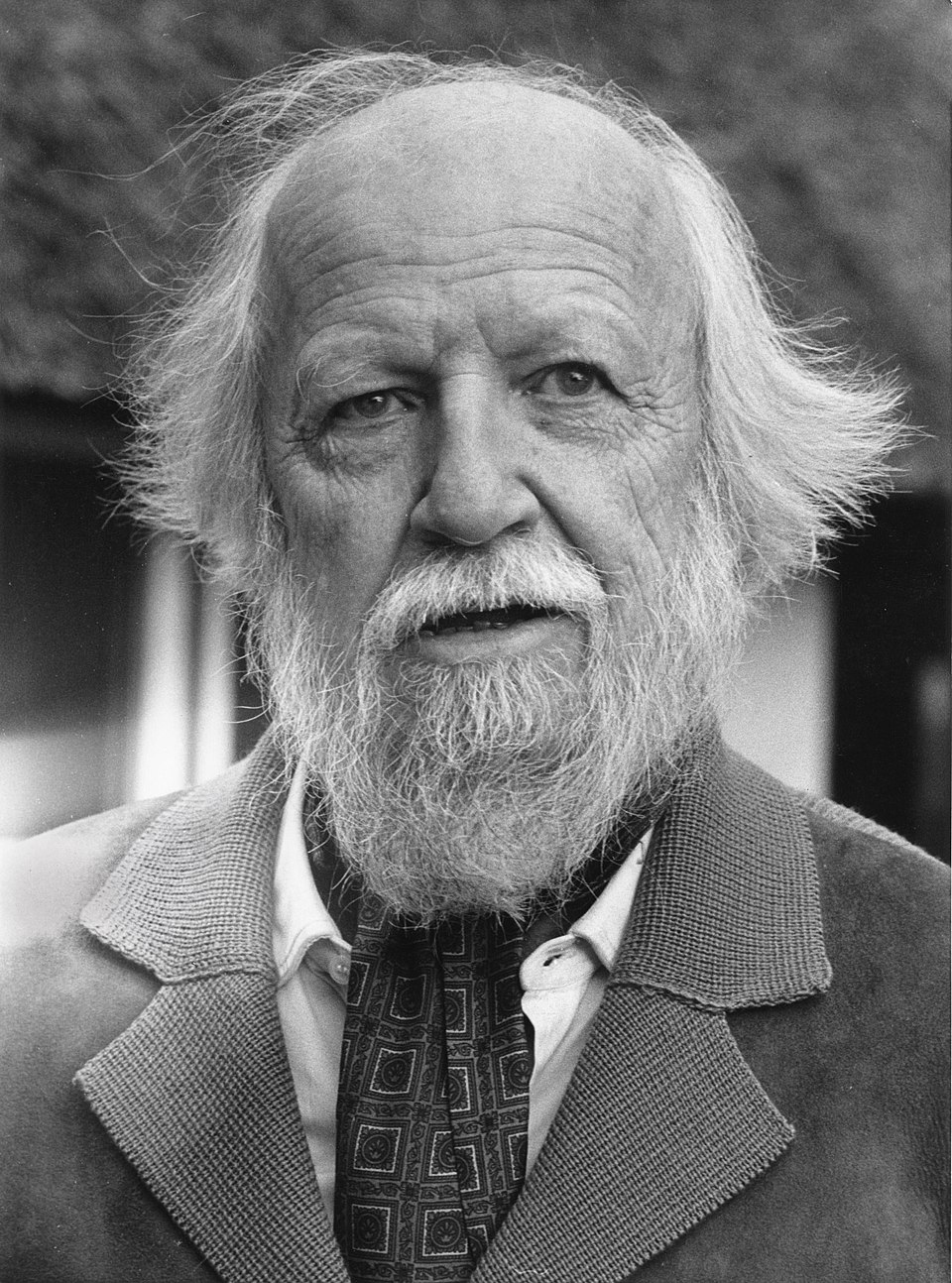
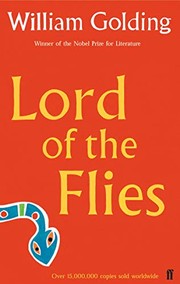
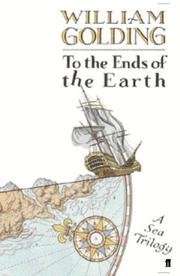
Sir William Gerald Golding was a British novelist, playwright, and poet. Best known for his debut novel Lord of the Flies (1954), Golding published another 12 volumes of fiction in his lifetime. In 1980, Golding was awarded the Booker Prize for Rites of Passage, the first novel in what became his sea trilogy, To the Ends of the Earth. Golding was awarded the 1983 Nobel Prize in Literature.
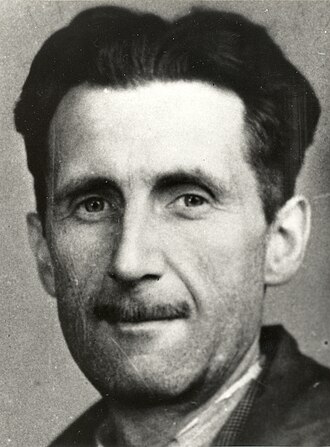
Source: Wikipedia (CC BY-SA). Portrait by Unknown authorUnknown author (CC BY-SA 3.0 nl) via Wikimedia Commons.
Life on the Timeline
Major Works
Exam Dossier
Most-asked topics
- Lord of the Flies as allegory of human nature/civilization vs savagery
- Symbolism in Lord of the Flies (conch, Piggy's glasses, the Beast, signal fire)
- Golding's pessimistic view of human nature and Original Sin theme
- Nobel Prize in Literature 1983
- Booker Prize for Rites of Passage (1980) and the sea trilogy To the Ends of the Earth
- Golding's place in post-war British fiction and modernism
- Narrative technique and use of allegory/fable in Golding's novels
- The Spire as symbolic/religious novel
Previous-year themes
- Identification of Lord of the Flies as a dystopian allegory about civilization and savagery
- Symbol-character matching in Lord of the Flies (Piggy, Ralph, Jack, Simon)
- Golding's Nobel Prize year and citation
- Chronology of Golding's novels
- Golding's Booker Prize novel and its trilogy
- Golding grouped with post-war/mid-twentieth-century British novelists
- Famous opening or closing lines from Lord of the Flies
Common confusions
- Confusing Lord of the Flies (1954), Golding's debut, with The Inheritors (1955), his second novel about Neanderthals.
- Mixing up the order of the sea trilogy: Rites of Passage (1980) comes first, then Close Quarters (1987), then Fire Down Below (1989).
- Confusing the Booker Prize (1980, for Rites of Passage) with the Nobel Prize in Literature (1983, for his body of work).
- Mistaking Piggy's glasses (symbol of reason/science/fire) for the conch (symbol of civil order and speech).
- Confusing Simon (murdered while revealing the Beast is not real) with Piggy (killed by Roger's boulder near the novel's end).
- Assuming Golding was a Victorian or Edwardian writer rather than a mid-twentieth-century post-war British novelist (1911-1993).
Memory tricks
'Flies' first, 'Inheritors' second, 'Pincher' third — F-I-P in the 1950s (1954, 1955, 1956).
Rites, Close, Fire — 'RCF' in order for the sea trilogy: Rites of Passage, Close Quarters, Fire Down Below.
'Booker before Bel(Nobel)' — Booker Prize 1980 comes before Nobel Prize 1983.
Conch = Council (order/speech); Beast = Barbarity within.
Piggy's glasses = Perception/science — when they break, clear vision and fire-making both fail.
Golding born 1911, died 1993 — think '11 to 93', spanning both World Wars and the Cold War, shaping his dark view of human nature.