Modernism
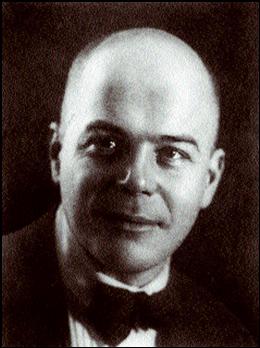
Viktor Shklovsky
1893 – 1984
Soviet Jewish writer
- Russian Empire · Russian Socialist Federative Soviet Republic · Soviet Union
- European Theory & Influence
- Russian Formalism
- Literary Theory
About
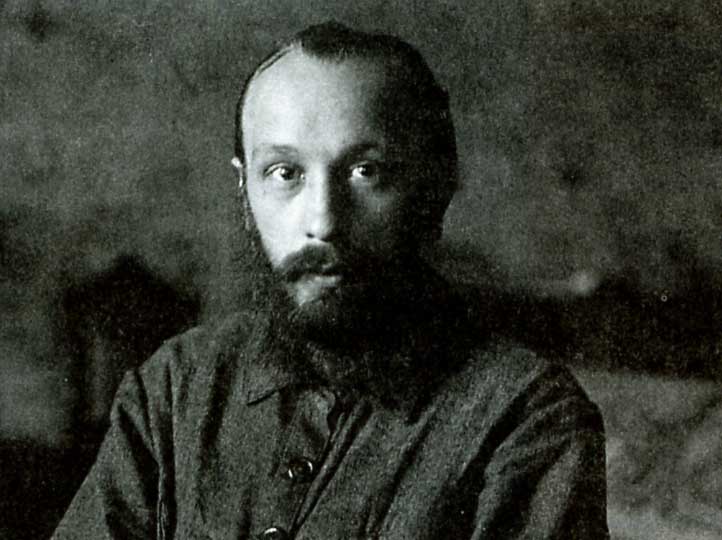
Viktor Borisovich Shklovsky was a Russian and Soviet literary theorist, critic, writer, and pamphleteer. He is one of the major figures associated with Russian formalism.
Source: Wikipedia (CC BY-SA). Portrait (Public domain) via Wikimedia Commons.
Life on the Timeline
Major Works
Exam Dossier
Most-asked topics
- Russian Formalism as a movement
- Ostranenie (defamiliarization)
- Fabula vs syuzhet (story vs plot)
- Baring the device (obnazhenie priema)
- OPOYAZ and the Formalist circle
- Art as Technique (1917) as a foundational essay
- Shklovsky's literary memoirs (Zoo, Sentimental Journey, Third Factory)
- Formalism's influence on structuralism and narratology
Previous-year themes
- Definition and significance of defamiliarization/ostranenie
- Distinction between fabula and syuzhet in narrative theory
- Russian Formalism as a critical movement and its key members
- Shklovsky's concept of 'art as device' / baring the device
- Formalism's relationship to Structuralism and later narratology
- Comparison of Russian Formalism with Anglo-American New Criticism
- Shklovsky's treatment of Tristram Shandy and Don Quixote as case studies
Common confusions
- Confusing Shklovsky's 'ostranenie' (defamiliarization, a literary-perceptual device) with Brecht's 'Verfremdungseffekt' (a theatrical alienation technique) — related in spirit but developed independently in different traditions.
- Reversing 'fabula' and 'syuzhet' — fabula is the raw chronological events; syuzhet is their artistic arrangement in the text as narrated.
- Conflating Russian Formalism with Anglo-American New Criticism — both emphasize close attention to the text, but they arose independently, in different national and institutional contexts.
- Confusing Shklovsky with Mikhail Bakhtin — Bakhtin critiqued Formalism's ahistoricism and stressed dialogism and heteroglossia, distinct from Shklovsky's device-centred poetics.
- Confusing OPOYAZ (the Petrograd-based literary/linguistic Formalist society including Shklovsky, Eichenbaum, and Tynyanov) with the Moscow Linguistic Circle (associated with Roman Jakobson).
- Treating Shklovsky as solely a theorist — he was also a significant memoirist and prose writer (Zoo, Sentimental Journey, Third Factory).
Memory tricks
'OstraNEnie' = making it STRANGE — remember defamiliarization renews perception by making the familiar unfamiliar.
Fabula = the FACTS in raw order; Syuzhet = the STORY as artistically told/shaped.
OPOYAZ = 'Society' for Poetic Language — Petrograd-based Formalist group, founded 1916.
'Baring the device' = the text BARES (exposes) its own technique to the reader, like Tristram Shandy's digressions.
'Zoo, or Letters Not About Love' is ironically all about love — a memory hook for its paradoxical title.
SHKLOVSKY = SHOCK: his central claim is that art should shock us out of automatic, habitual perception.