Postmodern
Terry Eagleton
b. 1943
British writer, academic and educator
- United Kingdom
- British
- Marxist Criticism
- new-left
- Literary Theory
About
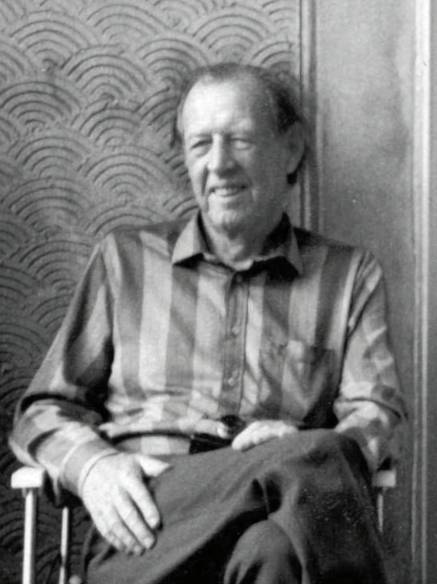
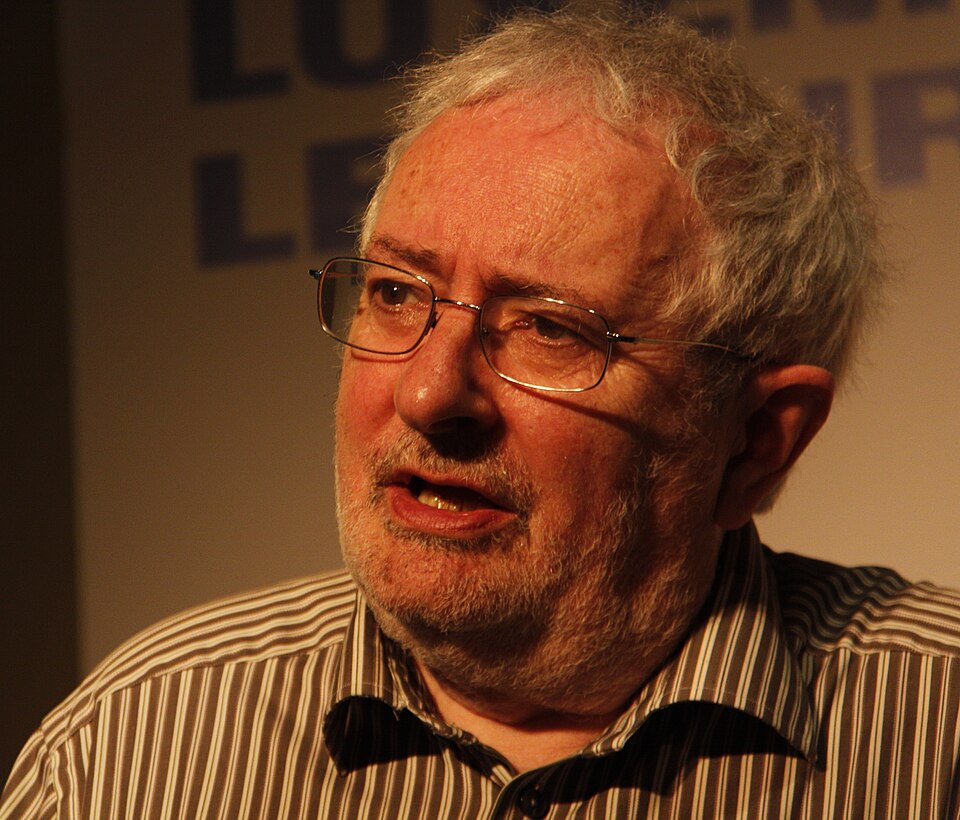
Terence Francis Eagleton is an English literary theorist, critic, and public intellectual. He is currently Distinguished Professor (Emeritus) of English Literature at Lancaster University.
Source: Wikipedia (CC BY-SA). Portrait by Rosa Luxemburg-Stiftung (CC BY 2.0) via Wikimedia Commons.
Life on the Timeline
Major Works
No works have been hung in this gallery yet — the acquisitions team is at work.
Exam Dossier
Most-asked topics
- Marxist literary criticism and ideology
- Literary Theory: An Introduction as the standard NET textbook
- Eagleton's critique of postmodernism and relativism
- Ideology and the aesthetic
- Theory versus politics in literary studies
- Tragedy and literary form (Sweet Violence)
- Religion, morality and Marxism in Eagleton's later work
- The English novel tradition
- New Left cultural criticism
Previous-year themes
- Eagleton's questioning of 'literature' as a stable, essential category
- The structure and argument of Literary Theory: An Introduction (schools of criticism surveyed)
- Marxist criticism versus formalism/New Criticism/Leavisite criticism
- Eagleton's critique of postmodern relativism and 'grand narratives'
- The 'death'/limits of high theory as argued in After Theory
- Ideology, aesthetics, and the 'Ideology of the Aesthetic'
- Eagleton's later turn to religion, ethics and tragedy
Common confusions
- Confusing Eagleton with Raymond Williams: both are British Marxist critics, but Williams (older generation) developed 'culture and society' criticism and the idea of 'structure of feeling', while Eagleton is a later, more polemical and theory-engaged Marxist critic.
- Confusing Eagleton's Literary Theory: An Introduction (1983) with other 'introduction to theory' textbooks by different authors (e.g. Jonathan Culler); Eagleton's is distinctively Marxist in its concluding argument for political criticism.
- Mixing up Eagleton's two 1976 books: Marxism and Literary Criticism (a short, accessible primer) versus Criticism and Ideology (a denser, Althusserian-influenced theoretical study).
- Mistaking Eagleton for a proponent of postmodernism; he is in fact one of its sharpest critics, notably in The Illusion of Postmodernism (1996).
- Assuming Eagleton's later interest in religion (Reason, Faith, and Revolution, 2009) signals abandonment of Marxism; he engages religion critically while remaining a Marxist thinker.
- Confusing The Ideology of the Aesthetic (1990) as a defence of aestheticism, when it is actually a Marxist critique of aesthetic ideology's historical and political functions.
Memory tricks
'Eagleton = England's Marxist' — anchor him as Britain's leading Marxist literary critic.
'1976 twins' — remember Marxism and Literary Criticism and Criticism and Ideology were both published in 1976.
'LT = 83' — Literary Theory: An Introduction, the year 1983, the decade theory 'arrived' in classrooms.
'After Theory, after 20 years' — After Theory (2003) came roughly two decades after Literary Theory (1983), marking his reassessment of theory's legacy.
'Why Marx Was Right' title mirrors its content — a direct 2011 defence of Marx after the financial crisis.
'Salford born, Cambridge trained, Lancaster's last post' — track his life from birthplace to education to emeritus title.