Modernism
Sri Aurobindo
1872 – 1950
Indian Bengali philosopher, yogi, maharishi, poet and nationalist (1872–1950)
- British Raj · India · Dominion of India
- Indian Writing in English
About
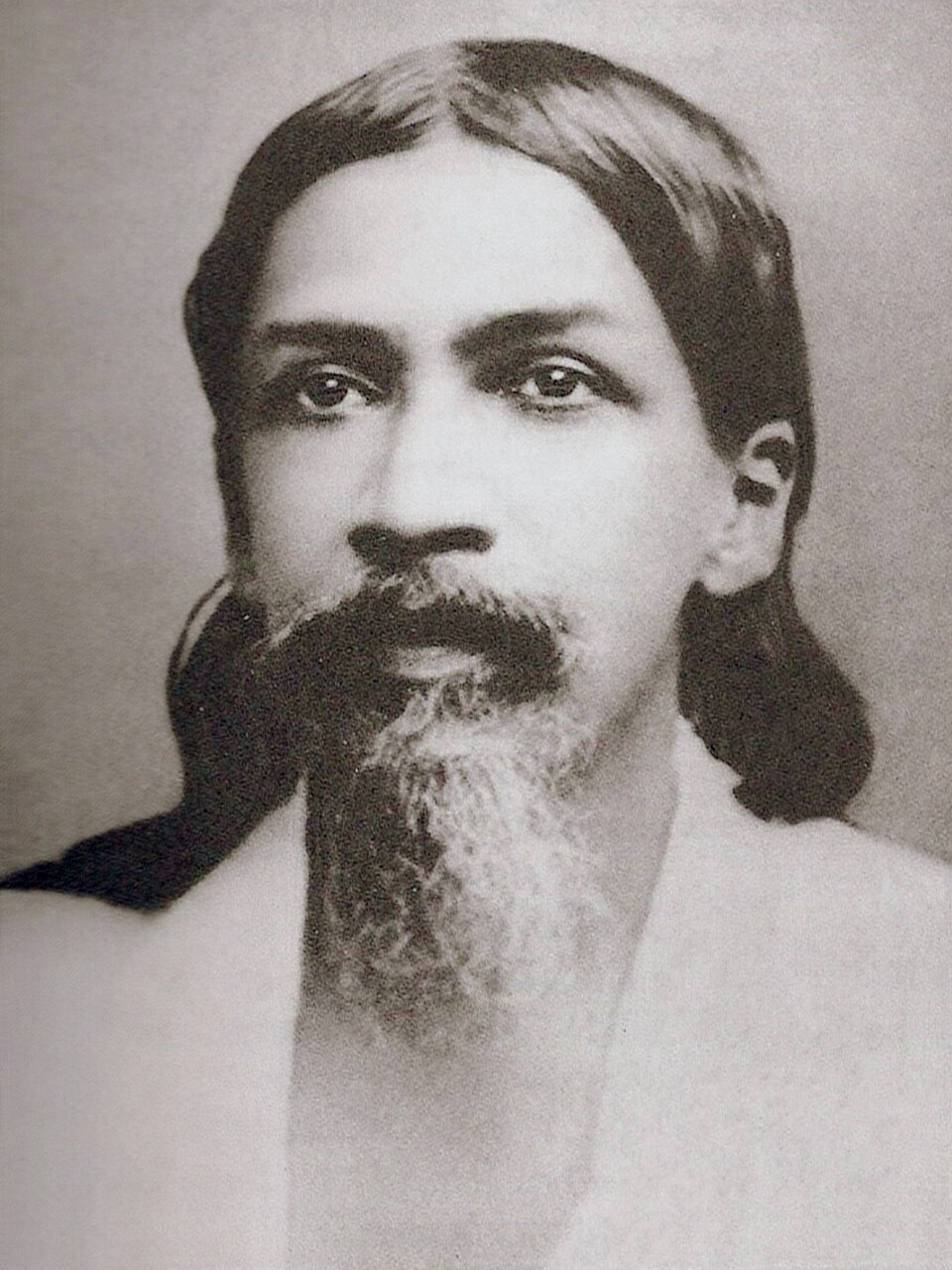
Sri Aurobindo was an Indian philosopher, yogi and nationalist, who is noted for his participation in the movement for India's independence from British rule, he advocated for complete autonomy through his writings and political activity. Following his imprisonment and acquittal, he withdrew to Pondicherry to devote himself to spiritual practice, eventually formulating the path of Integral Yoga. His extensive literary output includes the treatises The Life Divine and The Synthesis of Yoga and the epic poem Savitri.
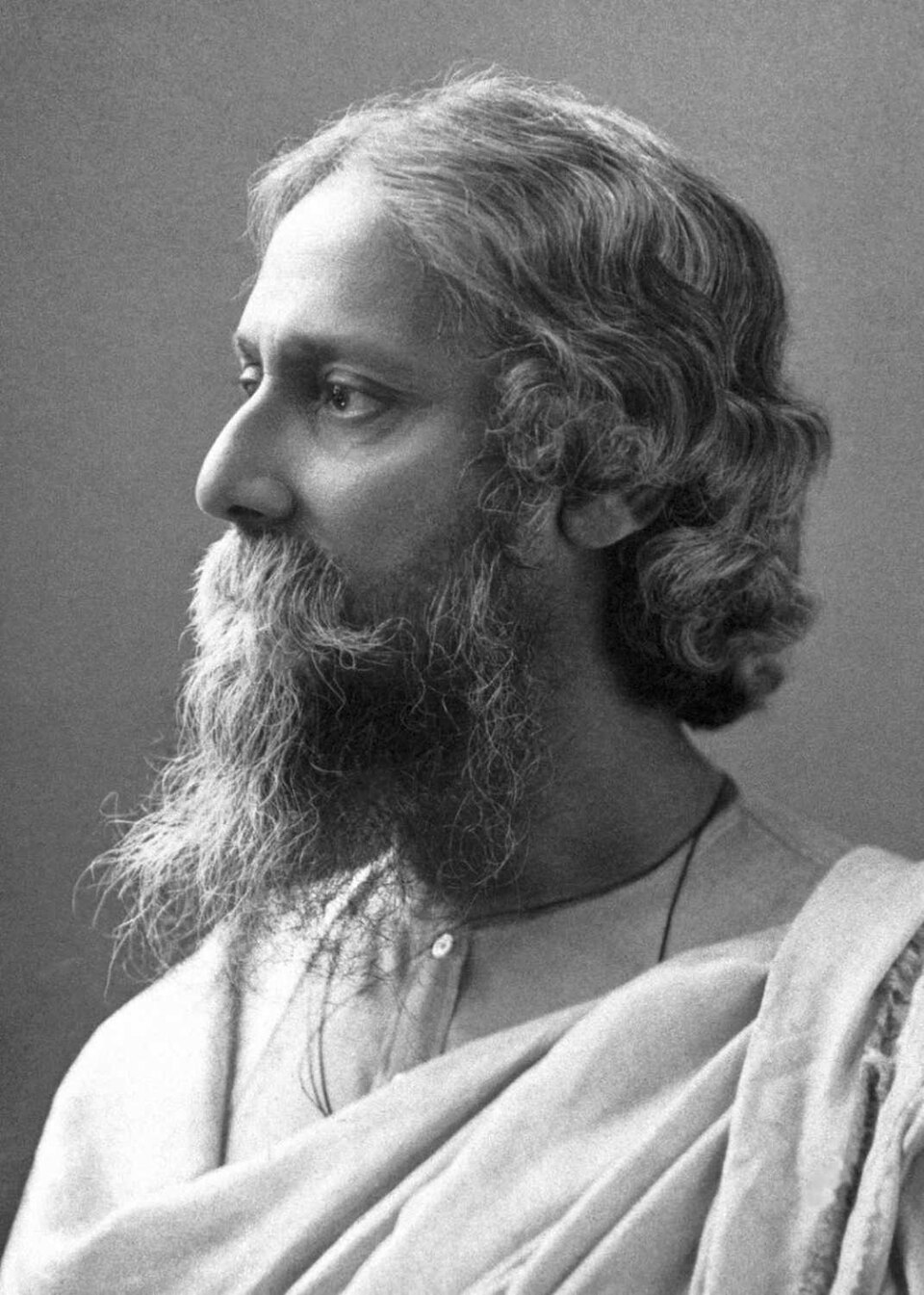
Source: Wikipedia (CC BY-SA). Portrait by Rudolf 1922 (Public domain) via Wikimedia Commons.
Life on the Timeline
Major Works
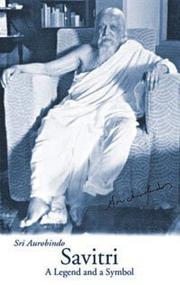
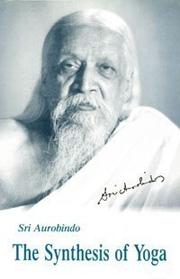
Exam Dossier
Most-asked topics
- Sri Aurobindo as pioneer of Indian English poetry
- Savitri as a spiritual/philosophical epic in blank verse
- The concept of Integral Yoga and the Supermind
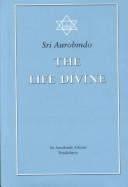
- The Life Divine and the theory of spiritual evolution
- Aurobindo's nationalist phase and the Alipore Bomb Case
- The Uttarpara Speech and spiritual nationalism
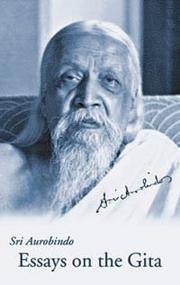
- Essays on the Gita as philosophical commentary
- Aurobindo's move to Pondicherry and the Ashram
- The Arya journal and its role in his major prose works
Previous-year themes
- Sri Aurobindo's place in the tradition of Indian Writing in English
- Savitri as epic: form, blank verse, and philosophical vision
- Integral Yoga and the idea of supramental transformation
- Aurobindo's dual identity as nationalist revolutionary and spiritual philosopher
- Prose style and thought in The Life Divine and The Synthesis of Yoga
- Aurobindo's engagement with the Gita and the Veda
- Aurobindo in relation to the Indian Renaissance and other Bengali writers
Common confusions
- Students confuse Aurobindo's poetic work (Savitri) with his philosophical prose (The Life Divine, The Synthesis of Yoga) when asked to identify genre.
- Aurobindo's Integral Yoga is often wrongly equated with the classical eight-limbed Ashtanga Yoga of Patanjali; Integral Yoga is Aurobindo's own synthesis aiming at supramental transformation, not merely physical/mental discipline.
- The years of first serialization in the journal Arya are often confused with the later book-publication years given in reference lists (e.g. The Life Divine serialized in Arya from 1914 but published as a book only in 1939).
- Students sometimes conflate Sri Aurobindo, the philosopher-founder, with Mirra Alfassa ('The Mother'), the co-founder and later head of the Sri Aurobindo Ashram; they are two distinct figures.
- Aurobindo's early nationalist-political phase (editing Bande Mataram, Alipore Bomb Case) is sometimes wrongly merged in timeline with his later purely spiritual Pondicherry phase, blurring the 1910 turning point.
- Essays on the Gita is occasionally mistaken for a translation of the Gita rather than an interpretive philosophical commentary.
Memory tricks
'S' for Savitri, 'S' for Supermind, 'S' for Spiritual epic — remember Savitri as the poetic vehicle for Aurobindo's supramental vision.
Remember 'ARYA gave birth to the Divine' — the journal Arya (1914) was the seedbed where The Life Divine and other prose works first appeared serially.
'1908 Bomb, 1910 Pondicherry, 1914 Arya' — a simple three-date chain tracks his shift from revolutionary to yogi to writer-philosopher.
Think 'Gita in the 20s, Divine in the 30s, Savitri at 40, Yoga in '48' — a rough decade-ladder for Essays on the Gita (1926), The Life Divine (1939), Savitri (1940), The Synthesis of Yoga (1948).