Victorian
Toru Dutt
1856 – 1877
Bengali poet and translator (1856–1877)
- British Raj
- Indian Writing in English
About
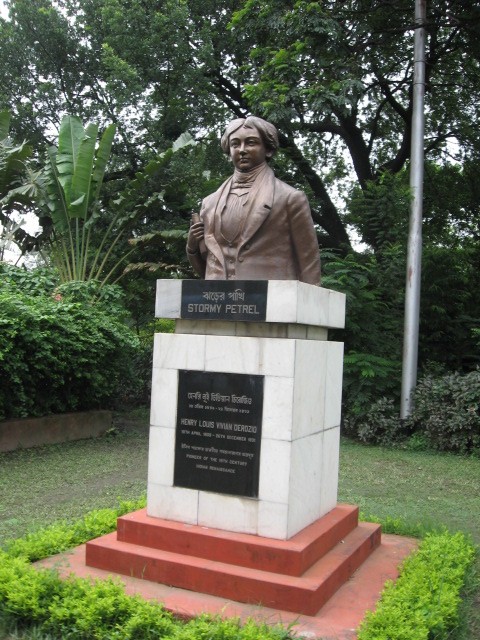
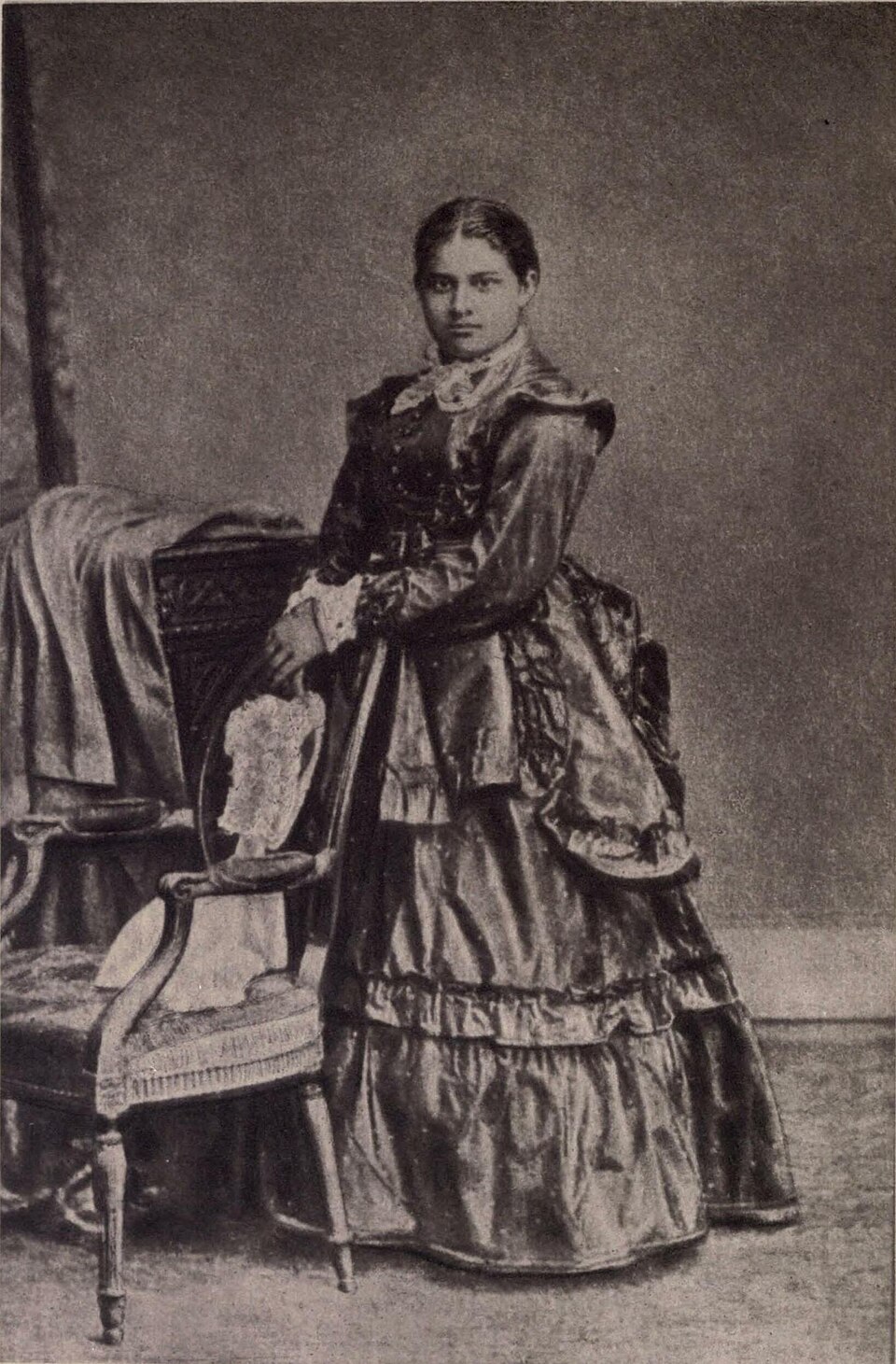
Tarulatta Datta, popularly known as Toru Dutt was an Indian Bengali poet and translator from British India, who wrote in English and French. She is among the founding figures of Indo-Anglian literature, alongside Henry Louis Vivian Derozio (1809–1831), Manmohan Ghose (1869–1924), and Sarojini Naidu (1879–1949). She is known for her volumes of poetry in English, Sita, A Sheaf Gleaned in French Fields (1876) and Ancient Ballads and Legends of Hindustan (1882), and for a novel in French, Le Journal de Mademoiselle d'Arvers (1879). Her poems explore themes of loneliness, longing, patriotism and nostalgia. Dutt died at the age of 21 of tuberculosis.
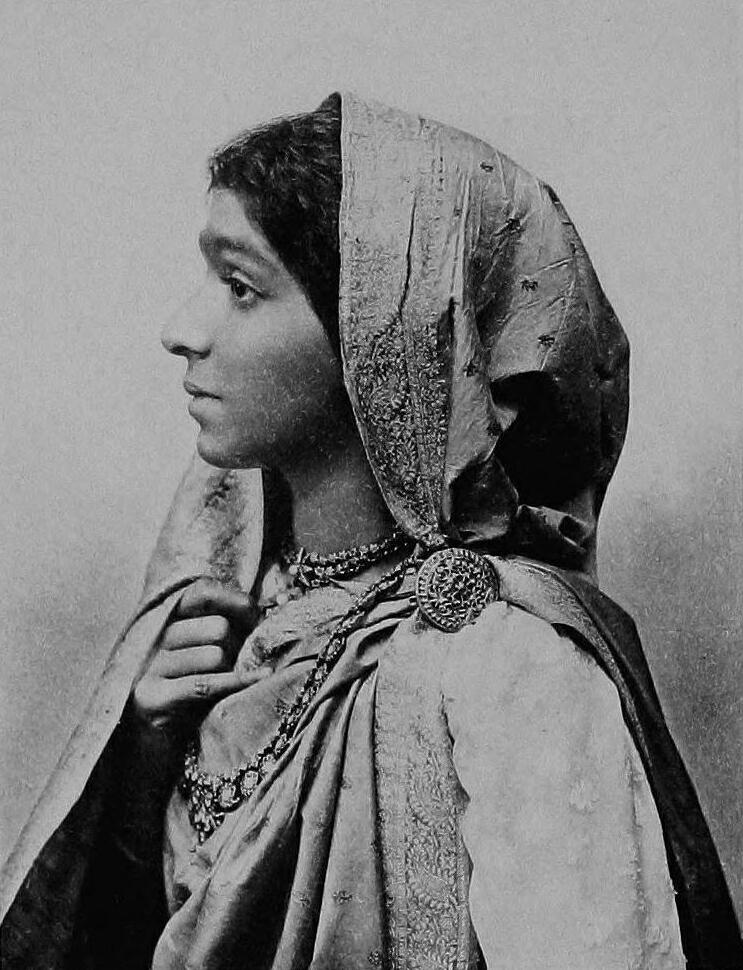
Source: Wikipedia (CC BY-SA). Portrait by Harihar Das (Public domain) via Wikimedia Commons.
Life on the Timeline
Major Works
Exam Dossier
Most-asked topics
- Toru Dutt as a founding figure of Indo-Anglian/Indian English literature
- A Sheaf Gleaned in French Fields (1876) and translation as poetic practice
- Ancient Ballads and Legends of Hindustan (1882) and its use of Puranic/epic material
- "Our Casuarina Tree" as elegy and nature poem
- Toru Dutt's bilingual/trilingual output (English, French, Bengali)
- Edmund Gosse's memoir and the shaping of her posthumous reputation
- Themes of loneliness, nostalgia, patriotism and early death in her poetry
- Comparison with Derozio, Manmohan Ghose and Sarojini Naidu in the Indo-Anglian tradition
Previous-year themes
- Toru Dutt's place among the founders of Indo-Anglian poetry
- Dates and genres of her major works (Sheaf, Ancient Ballads, Journal de Mademoiselle d'Arvers)
- Close reading of "Our Casuarina Tree" — imagery, structure, elegiac mode
- Role of translation in her career (French Fields translations)
- Her treatment of Hindu myth and legend in Ancient Ballads and Legends of Hindustan
- Biographical facts: birth, death, education in Europe, early death from tuberculosis
- Edmund Gosse's critical introduction and its influence on her canonical status
Common confusions
- Reading "Our Casuarina Tree" as a simple nature/Romantic description, missing its elegiac mourning of her dead brother and sister.
- Attributing sole authorship of A Sheaf Gleaned in French Fields to Toru Dutt alone, forgetting her sister Aru Dutt's involvement in the translations.
- Assuming Ancient Ballads and Legends of Hindustan was published during her lifetime, when it appeared posthumously in 1882.
- Confusing Toru Dutt with Henry Louis Vivian Derozio or Sarojini Naidu as "the first" Indo-Anglian poet, rather than a founding contemporary.
- Mixing up her two novels: the completed French novel Le Journal de Mademoiselle d'Arvers versus the unfinished English novel Bianca, or the Young Spanish Maiden.
- Assuming her poetry deals only with European/French themes, overlooking Ancient Ballads and Legends of Hindustan's engagement with Sanskrit and Puranic material.
Memory tricks
"Toru = Twenty-one" — remember she died aged 21.
"Sheaf in French, Ballads in Hindustan" — A Sheaf Gleaned in French Fields (French translations) vs Ancient Ballads and Legends of Hindustan (Indian legends).
"Gosse gave the Gloss" — Edmund Gosse wrote the introductory memoir to Ancient Ballads and Legends of Hindustan.
"Casuarina = Childhood" — the tree poem is a memory-elegy for her siblings, not mere nature description.
"D'Arvers in French, Bianca unfinished in English" — her two novels, one complete (French), one incomplete (English).
"S-D-J-B" ladder — Sheaf (1876), Death (1877), Journal (1879), Ballads (1882).