Postmodern
Ngũgĩ wa Thiong'o
1938 – 2025
Kenyan writer (1938–2025)
- Kenya
- African
- Postcolonial Literature
- Marxist Criticism
- Literary Theory
About
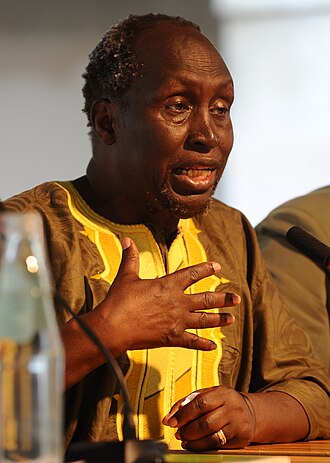
Ngũgĩ wa Thiong'o was a Kenyan author and academic, who has been described as East Africa's leading novelist and an important figure in modern African literature.
Source: Wikipedia (CC BY-SA). Portrait by Library of Congress Life (CC0) via Wikimedia Commons.
Life on the Timeline
Major Works
Exam Dossier
Most-asked topics
- Ngũgĩ's shift from writing in English to writing in Gikuyu
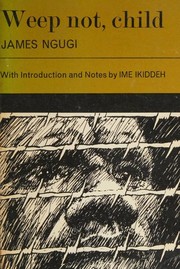
- Weep Not, Child as pioneering East African novel
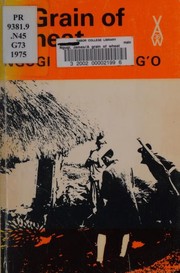
- A Grain of Wheat and the Mau Mau uprising/Uhuru
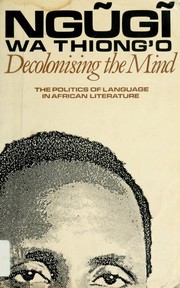
- Decolonising the Mind and the politics of language
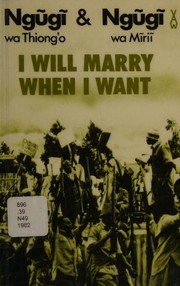
- Kamiriithu community theatre and I Will Marry When I Want
- Matigari ma Njiruungi and state censorship
- Ngũgĩ's name change from James Ngugi
- Postcolonial and Marxist literary theory in Ngũgĩ's criticism
Previous-year themes
- Ngũgĩ's theory of language as a 'carrier of culture' (Decolonising the Mind)
- The significance of the Kamiriithu theatre experiment and his detention
- Themes of betrayal, heroism and independence in A Grain of Wheat
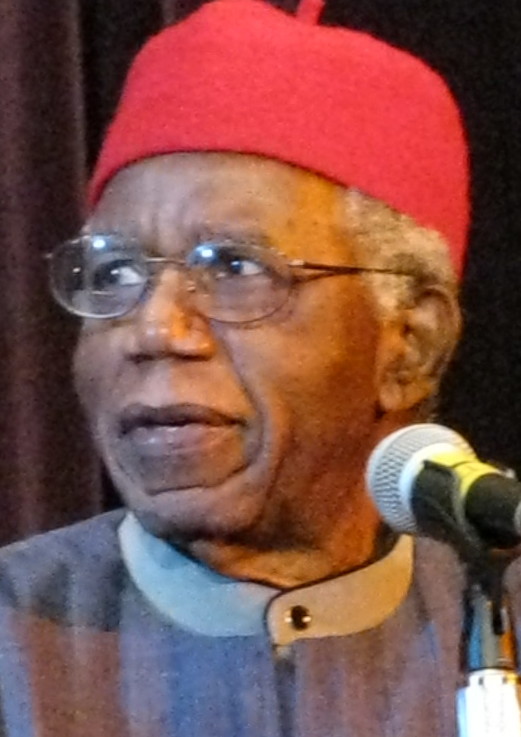
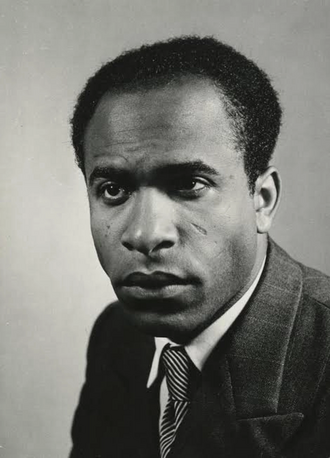
- Ngũgĩ as a key figure in African/postcolonial literary theory alongside Achebe and Fanon
- The politics of the name change from James Ngugi to Ngũgĩ wa Thiong'o
- Chronological ordering of his major English- and Gikuyu-language works
- Censorship and the state's response to Matigari ma Njiruungi
Common confusions
- Confusing Ngũgĩ wa Thiong'o with Chinua Achebe — both are foundational African novelists but Weep Not, Child and A Grain of Wheat are Ngũgĩ's, not Achebe's Things Fall Apart.
- Treating 'James Ngugi' as a separate, different author rather than Ngũgĩ's own earlier authorial name.
- Assuming all of Ngũgĩ's major works were written in Gikuyu — his earlier landmark novels (Weep Not, Child, A Grain of Wheat) were written in English; the shift to Gikuyu came after the mid-1970s.
- Mixing up the sequence of events: the Kamiriithu play and detention preceded the formal 1986 manifesto (Decolonising the Mind) declaring his turn away from English.
- Confusing the fictional character Matigari with a real historical Mau Mau guerrilla figure.
- Conflating Decolonising the Mind (a critical essay collection on language politics) with his creative fiction, treating it as a novel.
Memory tricks
'James became Ngũgĩ' — remember the name change (English name to Gikuyu name) symbolises his rejection of colonial identity.
'Weep first, Grain next' — Weep Not, Child (1964) precedes A Grain of Wheat (1967).
'Decolonise, then Matigari' — both landmark 1986 texts: one an essay manifesto, the other a banned Gikuyu novel.
'Kamiriithu = Community theatre that cost him his freedom' — links the play to his detention.
'Bullet vs Language' — his famous pairing of physical and spiritual subjugation in Decolonising the Mind.