Postmodern
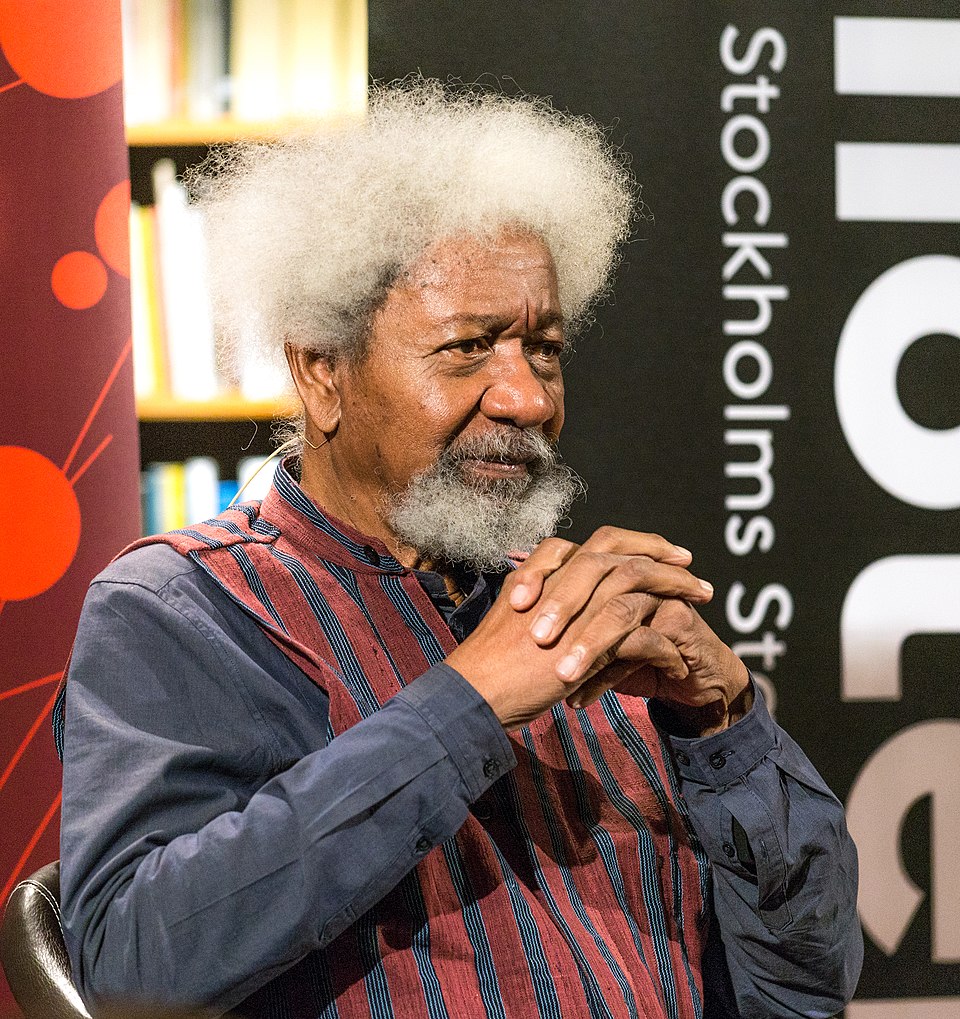
Wole Soyinka
b. 1934
Nigerian writer (born 1934)
- Nigeria
- African
- Postcolonial Literature
- ◆ Nobel 1986
About
Akinwande Oluwole Babatunde Soyinka is a Nigerian writer, playwright, and poet. He has written three novels, ten collections of short stories, seven poetry collections, twenty-five plays and five memoirs. He has also written two translated works and many articles and short stories for newspapers and periodicals. He was awarded the 1986 Nobel Prize in Literature for his "wide cultural perspective and poetic overtones fashioning the drama of existence".
Source: Wikipedia (CC BY-SA). Portrait by Frankie Fouganthin (CC BY-SA 4.0) via Wikimedia Commons.
Life on the Timeline
Major Works
Exam Dossier
Most-asked topics
- Nobel Prize in Literature 1986 (first African/Black African laureate)
- Death and the King's Horseman: colonial clash and Yoruba ritual suicide
- Ogun myth and Yoruba cosmology in Soyinka's drama
- A Dance of the Forests and Nigerian independence critique
- Soyinka's prison memoir The Man Died and imprisonment during the Nigerian Civil War
- Postcolonial African drama and theatre of ritual
- Soyinka vs Negritude debate ('a tiger does not proclaim its tigritude')
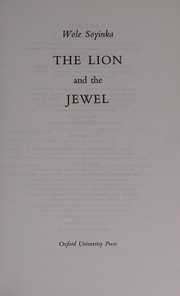
- Comic and satiric plays: The Lion and the Jewel, The Trials of Brother Jero
Previous-year themes
- Soyinka as first African/Black writer to win the Nobel Prize in Literature (1986)
- Yoruba mythology, especially the god Ogun, as a structuring device in his plays
- Death and the King's Horseman as postcolonial tragedy questioning colonial intervention in ritual suicide
- Soyinka's rejection of Negritude and his essay-based critique of Africanist ideology
- Themes of tradition versus modernity/colonialism in The Lion and the Jewel
- Political satire and critique of dictatorship in Kongi's Harvest
- Soyinka's imprisonment and prison writings during the Biafran War
- Classification of Soyinka's works across genres: novels, plays, poetry, memoirs
Common confusions
- Confusing Wole Soyinka with Chinua Achebe as the first African Nobel laureate in Literature — Soyinka (1986) holds that distinction, not Achebe, who never won the Nobel.
- Mixing up The Lion and the Jewel (comedy of tradition vs modernity) with Death and the King's Horseman (tragedy of colonial intervention in ritual).
- Assuming Soyinka was a supporter of the Negritude movement, when he was in fact one of its sharpest critics.
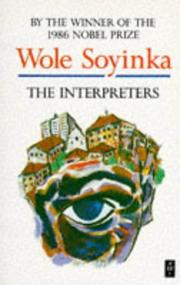
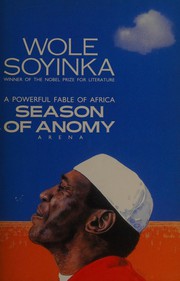
- Confusing The Interpreters (Soyinka's 1965 novel) with Season of Anomy (his 1973 novel) in questions about chronology or plot.
- Mistaking The Man Died (prison memoir) for Aké: The Years of Childhood (childhood memoir) — both are autobiographical but cover different life periods.
- Attributing the character Eman (The Strong Breed) or Elesin Oba (Death and the King's Horseman) to the wrong play.
Memory tricks
'Soyinka = Eighty-Six' — Nobel in (19)86, first African laureate, easy to remember as 8-6.
TIGER not NEGRITUDE — remember Soyinka's tiger/tigritude line to recall his anti-Negritude stance.
MAN DIED = memoir of PRISON (Civil War); AKE = memoir of CHILDHOOD — pair the memoir title with its life-stage.
OGUN = iron + war + creativity — the god who forges Soyinka's tragic vision, appears across his 'ritual' plays.
LION and JEWEL = light comedy (village courtship); KING'S HORSEMAN = heavy tragedy (colonial ritual) — contrast tone to fix titles.
Order memory: DANCE OF THE FORESTS (1960) before INTERPRETERS (1965) before SEASON OF ANOMY (1973) — independence-year play comes first.