Postmodern
Girish Karnad
1938 – 2019
Indian playwright, theatre personality (1938–2019)
- India · British Raj · Dominion of India
- Indian Writing in English
About
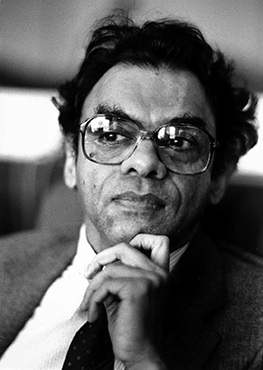
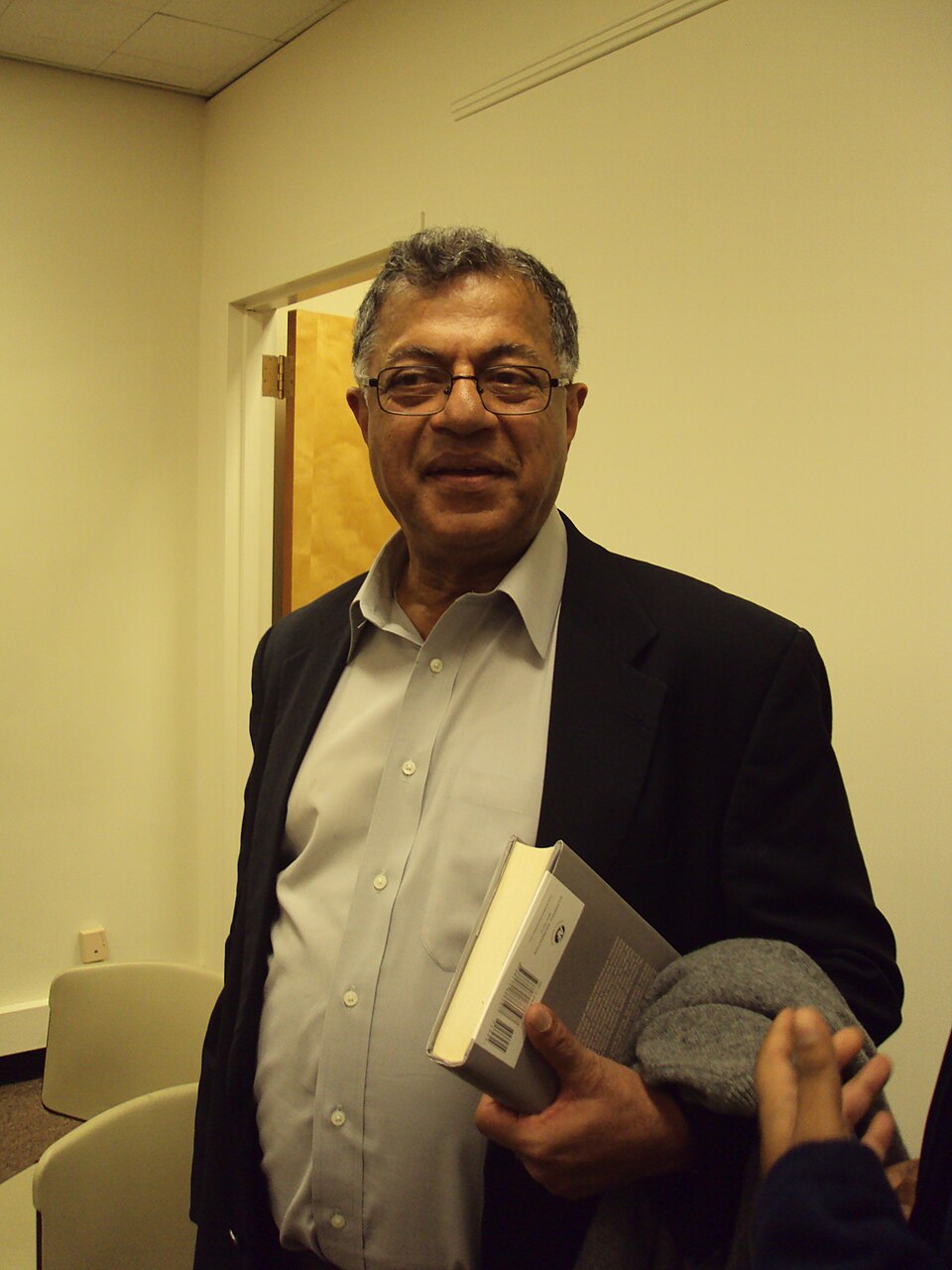
Girish Karnad was an Indian playwright, actor, film director, Kannada writer, and a Jnanpith awardee, who predominantly worked in Kannada, Hindi, Tamil, Telugu, Malayalam and Marathi films. His rise as a playwright in the 1960s marked the coming of age of modern Indian playwriting in Kannada, just as Badal Sarkar did in Bengali, Vijay Tendulkar in Marathi, and Mohan Rakesh in Hindi. He was a recipient of the 1998 Jnanpith Award, the highest literary honour conferred in India.
Source: Wikipedia (CC BY-SA). Portrait by Srtejaswi at English Wikipedia (GFDL) via Wikimedia Commons.
Life on the Timeline
Major Works
Exam Dossier
Most-asked topics
- Girish Karnad's life and career as Kannada playwright, actor, and film director
- Tughlaq as a political-historical allegory of Nehruvian India
- Use of myth and folklore in Hayavadana and Naga-Mandala
- Karnad's use of traditional theatre conventions (Yakshagana, Bhagavata, masks, curtains)
- Tale-Danda and the Basavanna/Veerashaiva (Lingayat) movement
- Karnad's place among modern Indian regional-language playwrights (Tendulkar, Sarkar, Rakesh)
- Karnad's awards: Jnanpith (1998), Sahitya Akademi, Padma Shri/Padma Bhushan
- Karnad's later monodramas (Broken Images) and history plays (The Dreams of Tipu Sultan)
Previous-year themes
- Karnad's contribution to modern Indian English/regional drama and translation of his own plays
- Tughlaq as political allegory and study of an idealist-turned-tyrant
- Myth, folklore and the 'complete man' theme in Hayavadana
- Feminist and folk-narrative readings of Naga-Mandala
- Karnad's dramatic technique: use of masks, curtains, Bhagavata/Sutradhara, and non-realistic staging
- Historical and communal themes in Tale-Danda
- Karnad compared with contemporaries like Vijay Tendulkar, Badal Sarkar, and Mohan Rakesh
Common confusions
- Confusing Muhammad bin Tughlaq (subject of Karnad's play) with other Delhi Sultanate rulers like Alauddin Khilji or later Mughal emperors such as Akbar.
- Mixing up which modern Indian playwright is associated with which language: Karnad (Kannada) vs. Vijay Tendulkar (Marathi), Badal Sarkar (Bengali), and Mohan Rakesh (Hindi).
- Assuming Hayavadana's head-exchange plot is Karnad's original invention rather than adapted via Thomas Mann's The Transposed Heads, itself rooted in the Kathasaritsagara/Vetala tradition.
- Assuming Naga-Mandala's folk tales were invented by Karnad rather than narrated to him by A.K. Ramanujan.
- Confusing the Jnanpith Award (1998, India's highest literary honour) with the Sahitya Akademi Award, which Karnad also received earlier for Tughlaq.
- Treating Karnad purely as a film actor/director and overlooking his primary literary identity as a pioneering Kannada playwright.
Memory tricks
TUGHLAQ: think 'Trouble Under a Great High-minded Leader' — an idealist Quixotic ruler undone by his own reforms.
HAYAvadana: 'HAY' evokes a horse — remember the horse-headed man's quest for a 'complete' body.
NAGA-MANDALA: NAGA (cobra) secretly Marries A devoted lady Alone (in her husband's absence) — the cobra-lover plot.
YAYATI = Youth, Age, Yielded — the aging king trades places with his son to reclaim youth.
TALE-DANDA = Tale (story) about Danda (punishment) — the beheading that follows Basavanna's caste-defying inter-marriage.
Jnanpith '98: pair '98' with 'Gnan' (knowledge) — the year Karnad received India's highest literary crown.