Postmodern
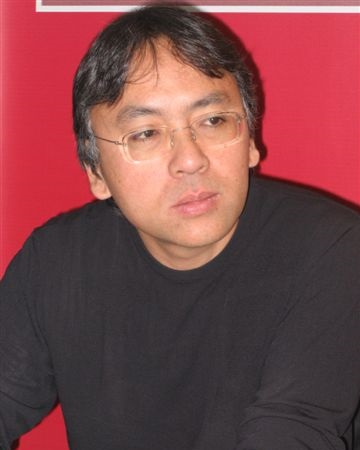
Kazuo Ishiguro
b. 1954
British novelist (born 1954)
- United Kingdom · Japan
- British
- Postmodernism
- ◆ Nobel 2017
About
Sir Kazuo Ishiguro is a Japanese-British novelist, screenwriter, musician, and short-story writer. He is one of the most critically acclaimed contemporary fiction authors writing in English, having been awarded several major literary prizes, including the 2017 Nobel Prize in Literature. In its citation, the Swedish Academy described Ishiguro as a writer "who, in novels of great emotional force, has uncovered the abyss beneath our illusory sense of connection with the world".
Source: Wikipedia (CC BY-SA). Portrait by Mariusz Kubik, http://www.mariuszkubik.pl (CC BY 2.5) via Wikimedia Commons.
Life on the Timeline
Major Works
Exam Dossier
Most-asked topics
- Ishiguro and the unreliable narrator
- Memory, repression, and self-deception
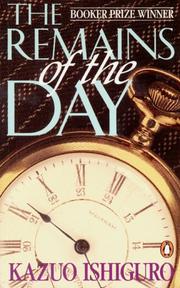
- The Remains of the Day: Stevens and the failure of dignity/duty
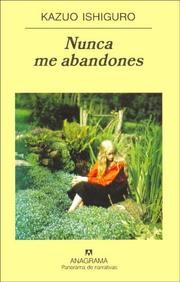
- Never Let Me Go: cloning, dystopia, and what it means to be human
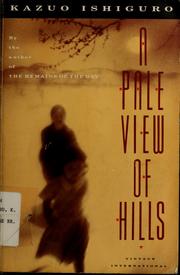
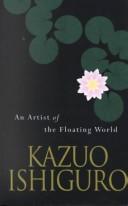
- Ishiguro's 'floating world' and Japanese settings (A Pale View of Hills, An Artist of the Floating World)
- Postmodern historiographic elements and narrative form in Ishiguro
- 2017 Nobel Prize in Literature citation
- Ishiguro among contemporary British/international novelists
Previous-year themes
- Ishiguro's use of the first-person unreliable narrator as a technique of concealment and self-deception
- The theme of memory and its distortions in his novels
- The Remains of the Day as a study of English notions of dignity, service, and repressed emotion
- Never Let Me Go as speculative/dystopian fiction questioning humanity and mortality
- Ishiguro's Japanese heritage and its relation (or non-relation) to a 'Japanese' sensibility in his early novels
- Ishiguro's place among Booker Prize winners and Nobel laureates in English literature
- Postmodernist narrative strategies in Ishiguro's fiction
Common confusions
- Confusing A Pale View of Hills (1982, debut, set partly in Nagasaki) with An Artist of the Floating World (1986, set in an unnamed Japanese city, narrated by a painter)
- Mixing up the narrators: Stevens (butler, The Remains of the Day) vs Masuji Ono (painter, An Artist of the Floating World) vs Kathy H. (clone, Never Let Me Go)
- Assuming Never Let Me Go is set in the future when it is presented as an alternate late-20th-century England
- Treating Ishiguro as purely a 'Japanese novelist' rather than a British novelist of Japanese heritage writing in English
- Confusing the Nobel Prize (2017) with the Booker Prize, which Ishiguro won earlier for The Remains of the Day (1989)
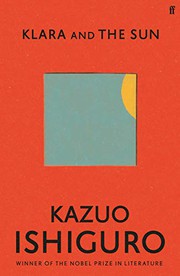
- Assuming Klara and the Sun's narrator is human rather than an artificial being (an Artificial Friend)
Memory tricks
'Pale' comes first: A Pale View of Hills (1982) is Ishiguro's debut
REMAINS = Repressed Emotion, Memory, Anglo Institution, Nostalgia, Servant-narrator — mnemonic for The Remains of the Day's key concerns
NEVER LET ME GO = clones, so think 'Never Let (them keep) Me' — organs donated, identity denied
Order the Japan novels alphabetically-ish by plot progression: 'Pale' before 'Artist' matches 1982 before 1986
Klara = 'Klara the Kind AI' — Klara and the Sun (2021), an AI narrator
Ono in Artist = 'O for Old painter Owning up' to wartime complicity