Postmodern
Margaret Atwood
b. 1939
Canadian poet, novelist, literary critic, essayist, teacher, environmental activist, pépiniériste and inventor (born 1939)
- Canada
- Commonwealth
- Postmodernism
- Feminist Writing
About
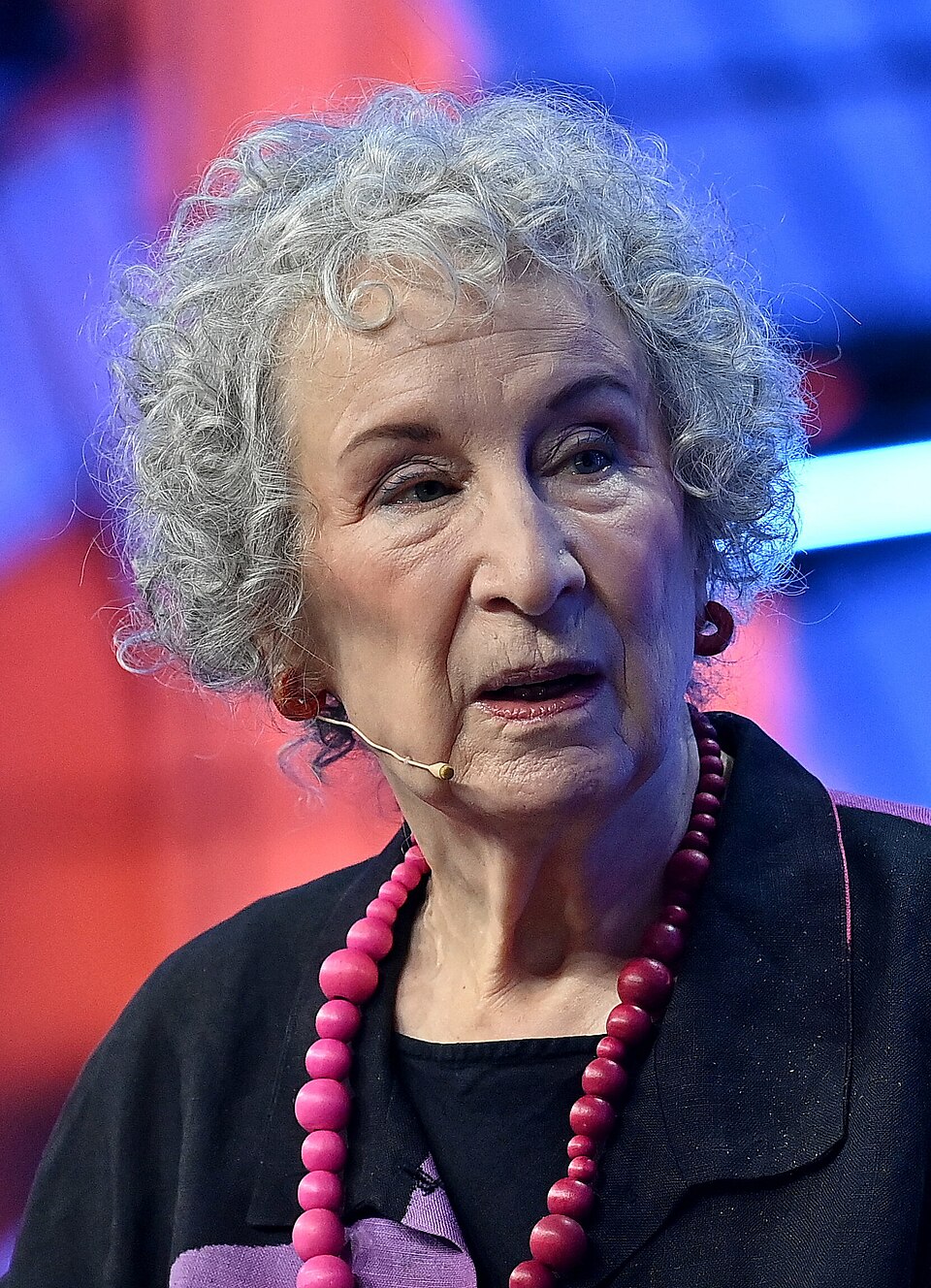
Margaret Eleanor Atwood is a Canadian novelist, poet, literary critic, and inventor. Since 1961, she has published 18 books of poetry, 18 novels, 11 books of nonfiction, nine collections of short fiction, eight children's books, two graphic novels, and a number of small press editions of both poetry and fiction. Her best-known work is the 1985 dystopian novel The Handmaid's Tale. Atwood has won numerous awards and honors for her writing, including two Booker Prizes, the Arthur C. Clarke Award, the Order of Canada, the Franz Kafka Prize, the Prince of Asturias Award for literature, and the National Book Critics and PEN Center USA Lifetime Achievement Awards. A number of her works have been adapted for film and television.
Source: Wikipedia (CC BY-SA). Portrait by Collision Conf (CC BY 2.0) via Wikimedia Commons.
Life on the Timeline
Major Works
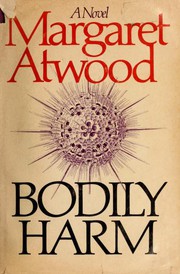
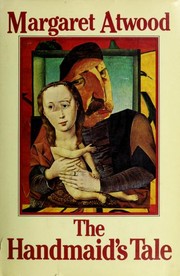
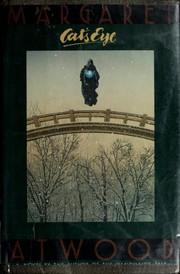
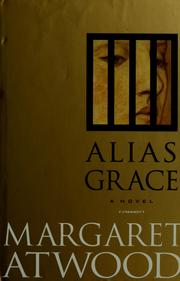
Exam Dossier
Most-asked topics
- The Handmaid's Tale: Gilead, Offred, structures of patriarchal control
- Dystopian and speculative fiction techniques in Atwood's novels
- Feminist themes and the female body in Atwood's fiction
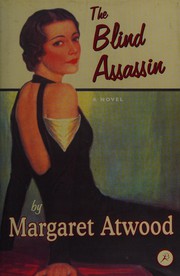
- Historical fiction and unreliable narration in Alias Grace and The Blind Assassin
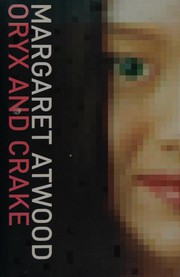
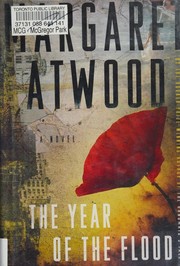
- The MaddAddam-related speculative works: Oryx and Crake, The Year of the Flood
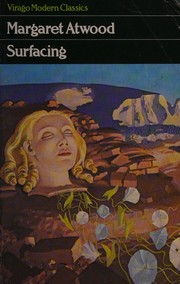
- Canadian identity and postmodern narrative strategies (Surfacing, Cat's Eye)
- Atwood's poetry and its relation to her fiction
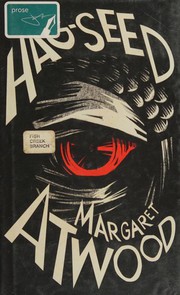
- Intertextuality: Hag-Seed as a rewriting of Shakespeare's The Tempest
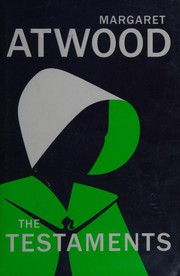
- The Testaments as sequel and its narrative structure
- Atwood's place in postmodernism and Commonwealth/Canadian literature
Previous-year themes
- Dystopian fiction and totalitarian control in The Handmaid's Tale
- Feminist critique and the politics of the female body in Atwood's novels
- Narrative technique: unreliable narrators and frame narratives (Alias Grace, The Blind Assassin)
- Postmodernism and metafiction in Atwood's fiction
- Canadian literary identity and Atwood's contribution to Commonwealth literature
- Intertextual adaptation and rewriting of canonical texts (Hag-Seed and The Tempest)
- Speculative fiction, genetic engineering, and ecological catastrophe in Oryx and Crake
- Chronology and sequencing of Atwood's major novels
Common confusions
- Confusing The Handmaid's Tale (1985, Offred's story) with The Testaments (2019, its sequel narrated by different characters).
- Confusing Alias Grace (historical fiction based on a real 1843 murder case) with The Blind Assassin (a fictional novel-within-a-novel with no real-life source).
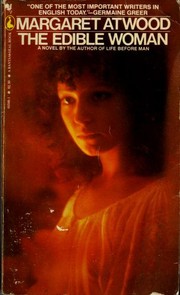
- Confusing Oryx and Crake (speculative/dystopian science fiction) with Atwood's earlier realist/feminist novels like The Edible Woman or Surfacing.
- Mixing up Cat's Eye's protagonist Elaine Risley (a painter) with Iris Chase, the narrator of The Blind Assassin.
- Assuming all of Atwood's dystopias are set in Gilead — The Year of the Flood and Oryx and Crake belong to a separate post-apocalyptic world unrelated to Gilead.
- Confusing Hag-Seed (a prose retelling of The Tempest) with a straightforward stage adaptation rather than a novel.
Memory tricks
'Handmaid = Gilead' — remember Gilead as the theocratic setting, not a person or city name elsewhere.
'Alias = Alibi of History' — Alias Grace is grounded in an actual historical murder case (Grace Marks, 1843).
'Oryx and Crake = Ecological Wreck' — associate the novel's title with genetic engineering and environmental catastrophe.
Chronology anchor: Edible (1969) before Surfacing (1972) before Handmaid's (1985) — 'Eat, Surface, then Survive Gilead'.
'Hag-Seed = Hogarth + Seed of Tempest' — Hag-Seed was written for the Hogarth Shakespeare series, retelling The Tempest.
'Testaments = Twenty-one-plus-Two' — remember The Testaments (2019) arrived roughly 34 years after The Handmaid's Tale (1985) as its sequel.